
CREATIVE MOLDING TECHNIQUE | Simon Zsolt József
€450.00
09-10-11-12 September 2022
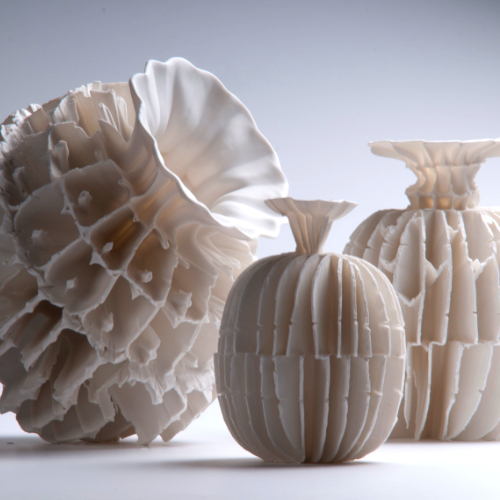
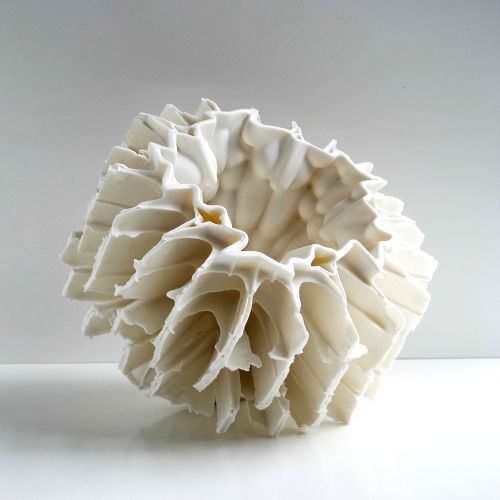
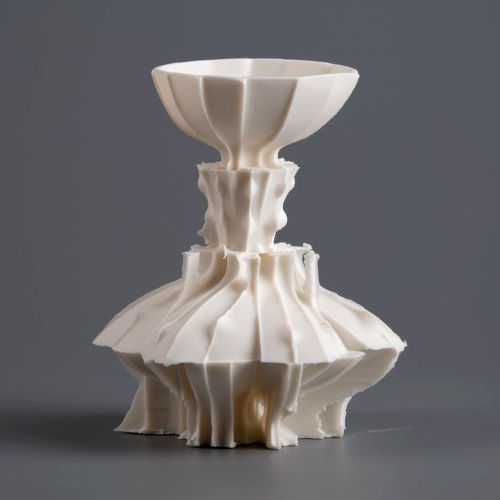
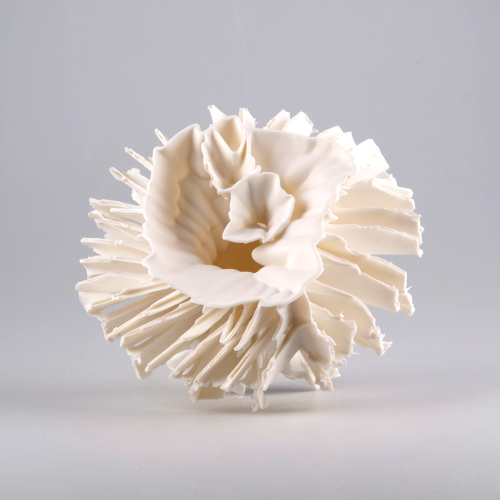
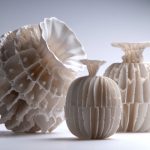
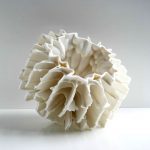
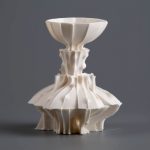
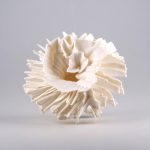
The aim of the course is to understand the opportunities to model the forms inherent in molding errors. We will learn how to prepare a multi-part plaster molding form, which allows us to model the internal and external shapes of the final object.
The artist will make a presentation of his works, which will allow to observe and understand this special molding procedure. The second half of the screening will demonstrate the creation of a specific object from the beginning to the final stage.
Participants will start working on one of Zsolt’s floral objects, through an individual consultation, and later, they will create a different shape, allowing learning from each other’s work. From the preparation of the plaster, the finishing, sawing, sanding and assembly of the plaster form will follow until the porcelain casting.
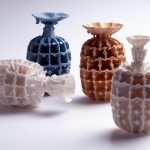
It will be possible to choose between two different techniques:
– FLORAL (the organisation will provide 2 plaster cylinders with a diameter of 19 cm);
– VASE TYPE (the organisation will provide two plaster cylinders with a diameter of 19 cm
and two with a diameter of 12 cm).
The technique chosen must be communicated to the Faenza Art Ceramic Center at the time
of the registration.
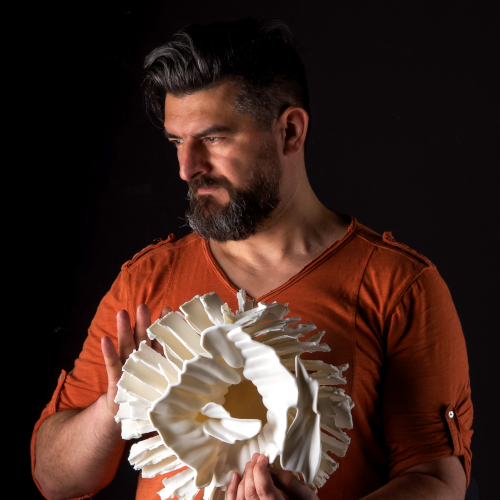
Simon Zsolt József
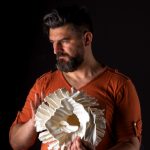
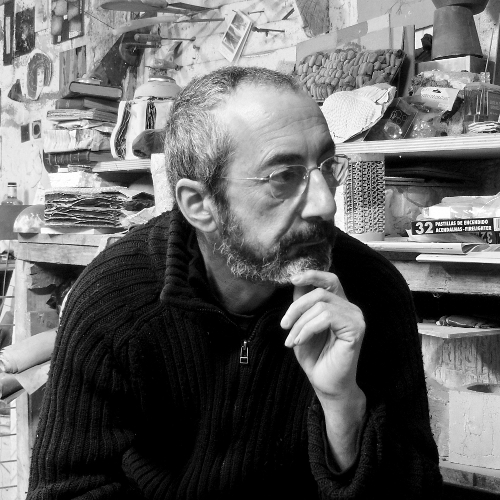
Simon Zsolt József studied at the Moholy-Nagy University of Art and Design, Budapest. He is an all-round artist, interested in ceramics, painting, theater and music. The study of movement is the basis of his work. His particular research is concentrated in the process through the molds or modules that give birth to a particular shape, not the programmed one. It uses porcelain for its quality of fragility which grants a sense of lightness, movement and refinement.
The 20-hour workshop lasts from 9.00 to 17.00 on friday and saturday, from 9.00 to 16.00 on sunday and from 9.00 to 12.00 on monday.
Included in the Workshop cost:
23 hours of teaching | all the necessary materials | firings | nr. 3 brunch lunch | a box with the samples of the materials used during the workshop
Teacher: Simon Zsolt József
Translator and assistant: Included
Languages: English, Italian, French
Download the full program in pdf
To confirm your inscription you have to make a bank transfer of a deposit or the total amount.
Richiesta informazioni
Related products
THE PEARL, FROM THE BEGINNING TO THE END | Martha Pachon
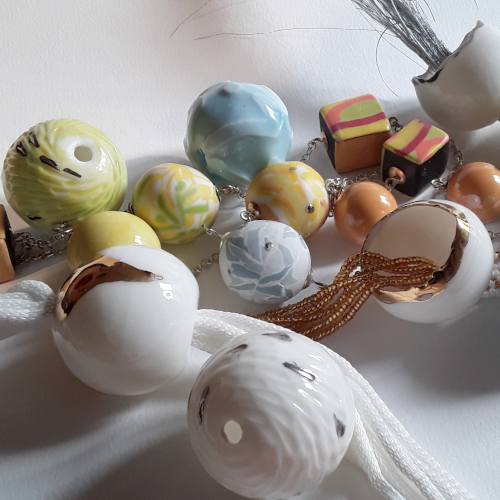
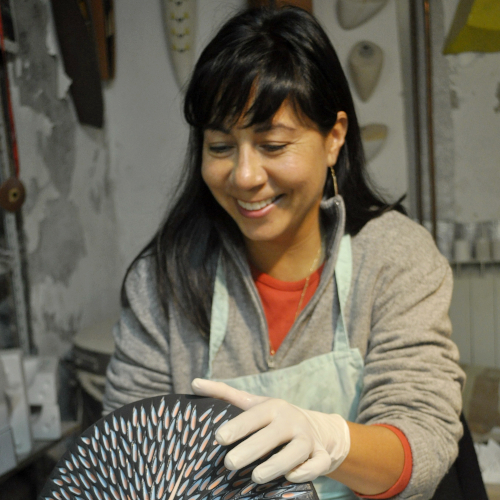
A complex and complete course to make the artist independent of creating large and small series of pearls for jewelery in various shapes, sizes and decorations. Making of molds, testing of slip and body porcelain, firing and decoration. The italian mold expert Florio Bedeschi, will be in charge of the first part of the course for the execution of complex but practical molds for pearls of different shapes and sizes.
A second part related to the use of the mold with the slip and body porcelain, how to firing and diferent kinds of decoration, will be with Martha Pachón Rodríguez.
The 20-hour workshop lasts from 9.00 to 17.00 on Friday and Saturday and from 9.00 to 16.00 on Sunday.
Included in the Workshop cost: 20 hours of teaching | all the necessary materials | firings | nr. 3 brunch lunch | a box with the samples of the materials used during the workshopTeachers: Martha Pachon and Florio Bedeschi Languages: English, Italian, French, Spanish
Download the full program in pdf
To confirm your inscription you have to make a bank transfer of a deposit or the total amount.

Ceramic maze: the glazes
i rivestimenti, l’applicazione facile, la decorazione e la cottura della ceramica
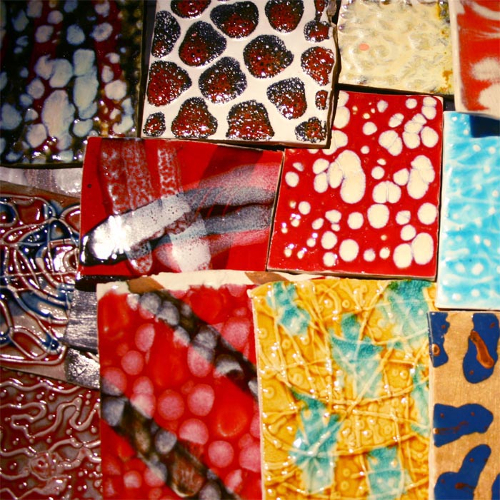
Il corso si prefigge di informare sui modi e le tecniche che sono alla base del processo ceramico per quanto riguarda la smaltatura e la decorazione a bassa temperatura.
Durante il corso saranno finite esperienze sui vari metodi di smaltatura ponendo particolare attenzione alla smaltatura a pennello con l’ausilio di particolari veicoli che ne consentono la migliore applicazione. Verranno presentate le cause alla base dei principali effetti ottenibili con i rivestimenti che saranno realizzate su supporti in argilla, già cotti, forniti dall’organizzazione: terracotta, terraglia tenera, terracotta di argilla da gres e semirefrattaria da Raku.
Sarà dato spazio anche al rapporto fondamentale degli smalti con i supporti e la loro preventiva miglior cottura a biscotto. Ed infine saranno affrontati anche i difetti che si riscontrano nella smaltatura e a questo proposito è possibile portare eventuali lavori personali finiti sulle cui problematiche sarà possibile svolgere una interessante lezione.
PROGRAMMA: esercizi personali di smaltatura: a pennello, ad aspersione, ad immersione – esercizi di decorazione con i colori sottovernice e i colori soprasmalto – smalti a rilievo – dimostrazione di smaltatura a spruzzo e a secco – Cottura delle prove – a domanda lezioni sulla chimica e tecnologia degli smalti.
Le forme saranno realizzate seguendo le indicazioni del docente, saranno cotte e consegnate entro i tempi del corso stesso. Il corso di 14 ore inizia alle ore 9.00 del sabato e termina alle ore 16.00 della domenica. Docente: Maestro Giovanni Cimatti Scarica il modulo di iscrizione in formato pdf Scarica il volantino in formato pdf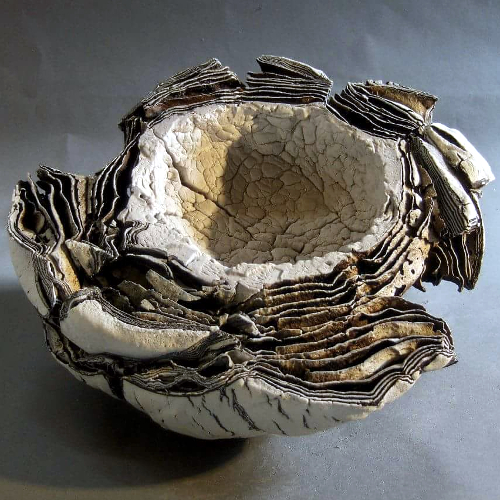
Volcanic landscapes with Rafa Peréz
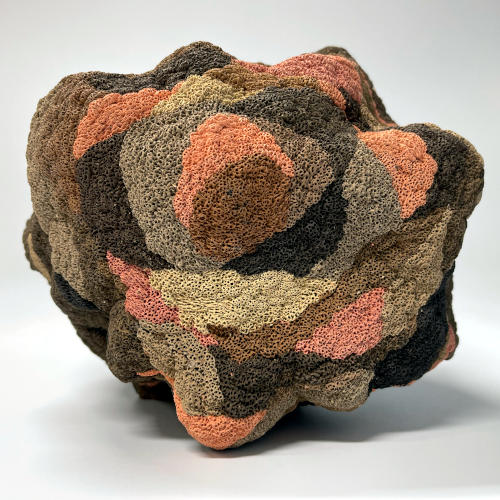
The use of shoot high temperatures with conventional clays in contrast with porcelain, surprising effects for results between the predictable and the unpredictable. Rafa Pérez introduces us to his methods that have made him famous in the field of contemporary ceramic sculpture.
PROGRAM: - Fully practical lessons. - Use of different techniques to obtain a wide range of results. - Use of blocks with different types of clays at the same time. - Alternative chemical treatments to the techniques. - Production of pieces, firing, evaluation and reproduction of new pieces. The 20-hour workshop lasts from 9.00 to 17.00 on Friday and Saturday and from 9.00 to 16.00 on Sunday. Teacher: Rafa Pérez Translator and Assistant: Martha Pachon Languages: English, Italian, French, Spanish Download the application form in pdf Download the full program in pdf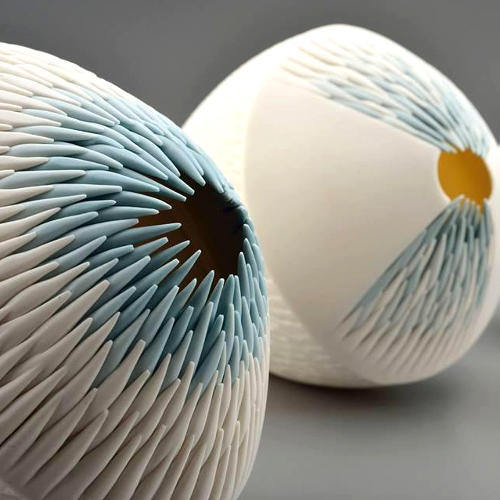
Discovering Porcelain 2
Basic Course of slip and body porcelain and its transparency
PORCELAIN is a material that requires a prolonged, precise and very accurate processing to obtain pieces of exquisite beauty. The different techniques faced with this material allow us to highlight two important qualities, TRANSPARENCY and SMOTHY to the touch.
This course allows you to develop simple basic techniques, all tricks to avoid cracks, breakages, deformations, the secrets to recover a broken piece, the knowledge of the correct drying and the different firing curves.
We would use body and slip porcelain with and without the use of single and double-fired molds. The purpose is to ENHANCE CREATIVITY WITH THE RIGHT KNOWLEDGE OF ALL RESOURCES IN THE FIELD OF PORCELAIN AND ITS QUALITY OF TRANSPARENCY AND WITHOUT GOING CRAZY!
Program: - Fully practical lessons with a theoretical chapter for basic technology: - Preparation of the slip and body porcelain recipe and percentages. - Slip casting porcelain methods with and without molds. - Methods of achieving transparency. - Method of constructions with slabs or small fragments. - Precautions in drying, firing and finishing. - How to obtain smooth surfaces. - How to glaze with simple means. - How to recover broken or craked pieces. - Firing curves and how to place fragile pieces in the kiln, use of alumina. - Corrections after biscuit and finishing after last firing. The 20-hour workshop lasts from 9.00 to 17.00 on Friday and Saturday and from 9.00 to 16.00 on Sunday. Teacher: Martha Pachon Languages: English, Italian, French, Spanish Download the application form in pdf Download the program in pdf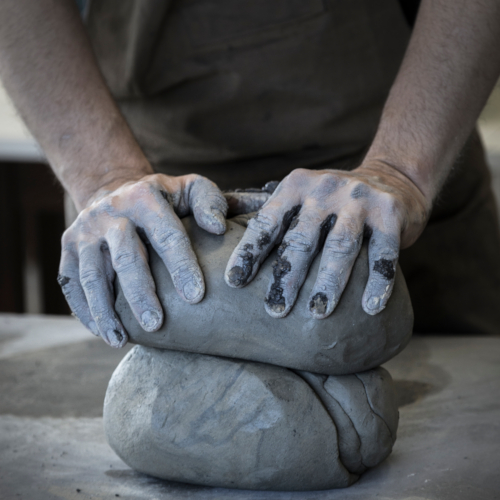
CERAMIC MAZE: THE CLAYS | Vilma Bosi
Imparare le tecniche di foggiatura e la cottura delle terre
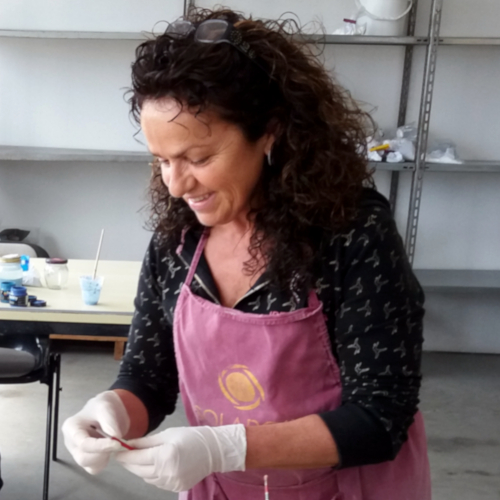
Quando ci si avvicina al mondo della ceramica spesso si incontrano le prime difficoltà già nella fase di modellazione proprio per mancanza di competenze nelle tecniche di foggiatura dei manufatti. Gli impasti ceramici e le argille possono essere lavorati in diversi modi e in questo corso di base ci proponiamo di introdurvi ad alcune delle tecniche fondamentali come il colombino, la lastra, la stampatura e il colaggio.
La scelta del tipo di argilla da impiegare ed individuare la migliore tecnica di modellazione per la produzione delle forme sarà di basilare importanza per avere successo nel portare a termine i vostri progetti ed evitare perdite di tempo e di denaro.
Il corso non è finalizzato alla realizzazione di oggetti finiti ma si limita alla produzione in libertà di esperienze costruttive, tattili e di cottura sempre sotto la guida del docente.
14 ore di docenza | i materiali necessari allo svolgimento del corso | le cotture | nr. 2 pasti brunch (colazione e pranzo) | una scatola omaggio (con campionatura dei materiali utilizzati durante il corso)
Costo: 250.00€ Docente: Vilma Bosi Scarica il modulo d'iscrizione in formato pdf Scarica il programma in formato pdf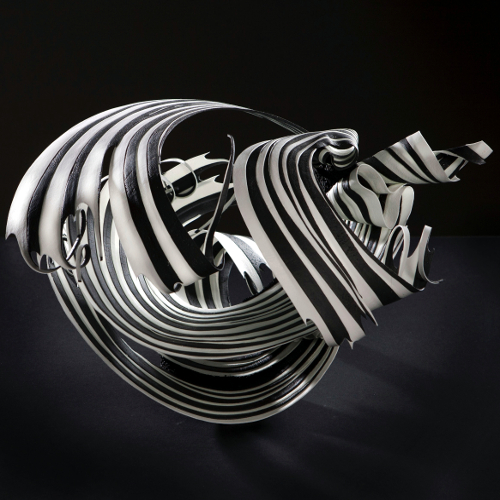
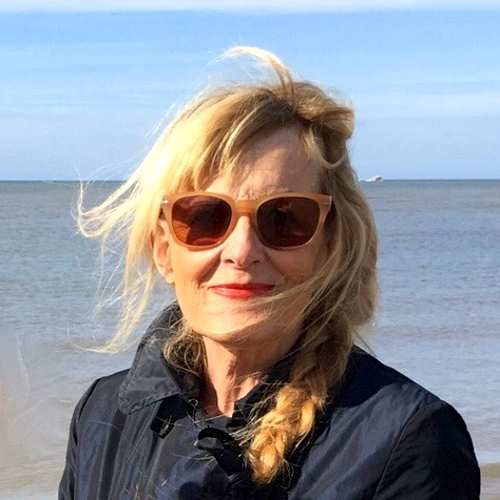
In search of movement with Paula Bastiaansen
A workshop in search of movement, rhythm, the absence of gravity, fragility and transparency. Paula Bastiaansen will show you the use of porcelain so light that this body will become almost immaterial.
PROGRAM: - Conference and presentation of slides. - Demonstration of the working method. - Designing an object starting from a drawing. - Preparation and coloring of porcelain. - Preparation of extremely thin porcelain layers. - Cutting of the shapes and construction starting from the drawing. - Use of inlay and stoneware support in construction. - Drying and firing. The 20-hour workshop lasts from 9.00 to 17.00 on Friday and Saturday and from 9.00 to 16.00 on Sunday.Teacher: Paula Bastiaansen Translator and Assistant: Martha Pachon Languages: English, Italian, French, Spanish, Dutch
Dowload the Paula Bastiaansen CV
Download the application form in pdf Download the full program in pdf

Thousand bubbles
Una delle premesse in campo ceramico, fondamento della didattica e della tecnologia stabilisce che non vi devono essere bolle di aria negli impasti ceramici ma...
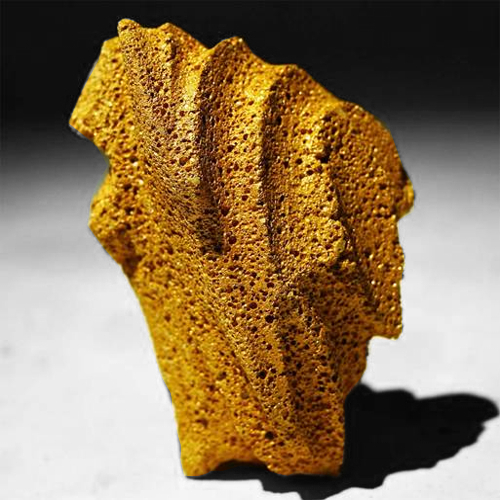
E' anche vero che la presenza di bolle e la stessa porosità delle argille favorisce l'isolamento termico, l'essiccazione e la leggerezza. Con impasti a struttura spugnosa si ottengono forme facilmente lavorabili a secco/crudo per mezzo del taglio, incisione o abrasione, una lavorabilità a biscotto simile a quella dell'osso di seppia, durezza inaspettata dopo la cottura finale e il peso vicino a quello dei poliuretani espansi.
Da questa scelta parte la possibilità di creare forme legate in particolare al campo della scultura dove i problemi dello svuotamento delle forme viene superato velocizzando le cotture. Infine e in relazione alla dimensione delle microbolle inserite sarà possibile anche l'applicazione di patine, ingobbi e rivestimenti anche vetrosi.
Programma: metodi di realizzazione di schiume e la loro introduzione nelle argille - colatura della schiuma argillosa - essiccamento - scultura a secco crudo per taglio/incisione - cottura ad alta temperatura in forno elettrico - sfornata - applicazione di rivestimento tipo smalto oro - cottura a media temperatura - lezioni di tecnologia ceramica. Per motivi di tempo e aumentare l'esperienza sulla tecnica saranno forniti ai partecipanti anche alcuni blocchetti di argilla porosa già essiccati.
Il corso di 14 ore dura dalle ore 9.00 alle ore 17:00 del sabato e dalle ore 9:00 alle ore 16.00 della domenica. Docente: Maestro Giovanni Cimatti Scarica il modulo di iscrizione in formato pdf Scarica il volantino in formato pdf

Full immersion in color
From Jasper to Nerikomi in porcelain in two days
One of the finest qualities of porcelain is its sensuality to the touch, plus the surface can be enriched with vibrant colors or sharp contrasts of black and white. There are ancient and complex techniques of the "Neriage"family which, in a modern way, allow you to express yourself through many aesthetic solutions, from a jewel, avessel, a sculpture, an object, or a complex installation. It will be the very intense and rich post-Argillà course,among the techniques dealt with: the Jasper, the Rainbow or Scala, the Zebra, the Nerikomi and the Mosaico with composite tiles.
PROGRAMMA: - Preparation of colored porcelain bodies, recipes and percentages and how to avoid the melting or deforming pieces. - Use of color both into the body and slip porcelain, tricks. - Preparation of shapes, cuts, joints, lines, drawings and compositions for all possible ancient Asian techniques revisited in contemporary way with modern and practical use. - Agate, Jasper, Mishima, Mosaic, Rainbow, Scala, Zebra and Nerikomi techniques. - Cleaning and tricks to avoid color contamination, air bubbles, deformations or cracks. - Preparation of colored slip porcelain and use. - Conformations with net black and white avoiding contaminations of one color with another. - With the use of the mold and without, application of the techniques learned. - How to install the colored pieces inside the kiln avoiding the attachment of the pieces or accidents. - Types of firing, low and high, firing curves for pieces built by colored mix techniques. - Finishes and corrections before firing, after first firing and even after the last high temperature firing. - Recipes and possibility of restoration of broken pieces. Teacher: Martha Pachon Languages: English, Italian, French, Spanish Download the application form in pdf Download the program in pdf