




CERAMIC MAZE: THE GLAZES | Vilma Bosi
22-23-24 March 2025
Learn how to work with glazes, easy application, decoration and firing of ceramics.
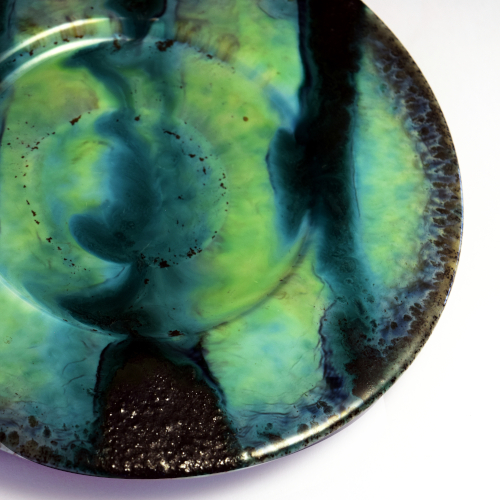
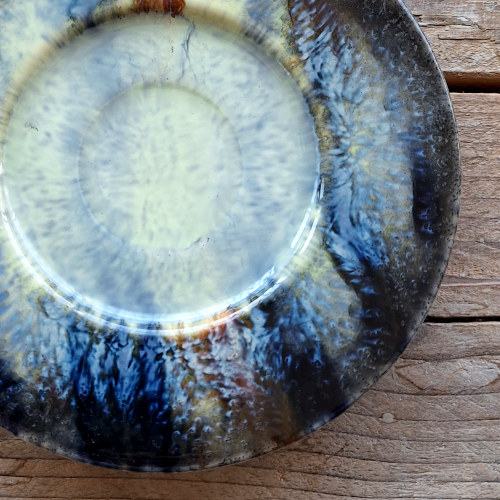
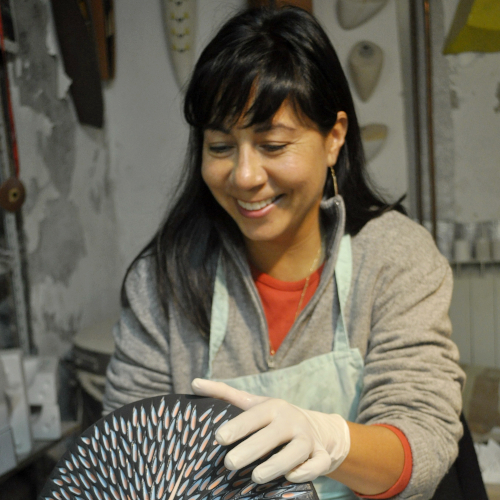
How much water should be added when preparing the glaze? How should you proceed to make a good application? In this course we want to introduce you to glazing ceramic artefacts by providing some basic specific skills. We will start with the knowledge of the products (Glazes, Transparent glazes, Colours, etc.) and their peculiarities, we will begin with how to proceed in their preparation and we will end with the opportunity to try out the main glazing techniques and a guide to ceramic firing. In particular, we will deal with application by immersion, spraying with an airbrush and brush glazing with the aid of special vehicles that allow for better application. We will present the necessary steps to obtain effects in the coatings also with applications in several layers that will be made on clay supports, already fired, provided by the organisation.
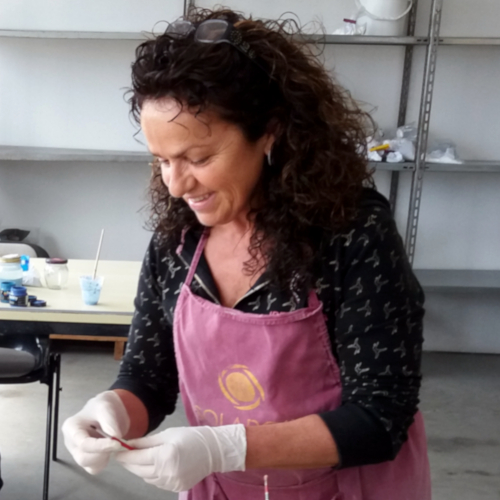
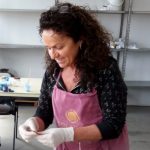
Vilma Bosi
In 1978 she began his work as a ceramist in Antonietta Mazzotti’s workshop where he became passionate and specialised in the decoration of ceramic artefacts. During her career, she collaborated with the Diva ceramics industry where she was in charge of the hand-decorated department and laboratory. Over time, her specialisation became the third fire (mainly gold and precious) thanks to which she collaborated with various artists and craftsmen in Italy. Among the most important are: La bottega Gatti, Fos Ceramiche, Padovani Ceramiche, Laboratorio Pesaro, Coralla Maiuri and Ceramic & Colours. In 2011, she was hired by Ceramic & Colours as laboratory manager, a role she still holds today. Since 2018 she has been teaching at the Faenza Art Ceramic Center.
The 17-hour course starts at 9 a.m. and ends at 5 p.m. on Saturdays and Sundays and starts at 9 a.m. and ends at noon on Mondays.
Included in the course:
17 hours of teaching | the materials needed for the course | the firings | 2 breakfast | a gift box (with samples of the materials used during the course)
Teacher: Vilma Bosi
Language: Italian
Download the full program in pdf
To confirm your inscription you have to make a bank transfer of a deposit or the total amount.
Richiesta informazioni
Related products
Volcanic landscapes with Rafa Peréz
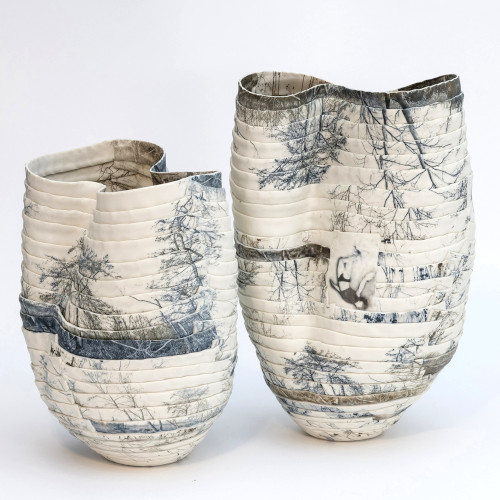
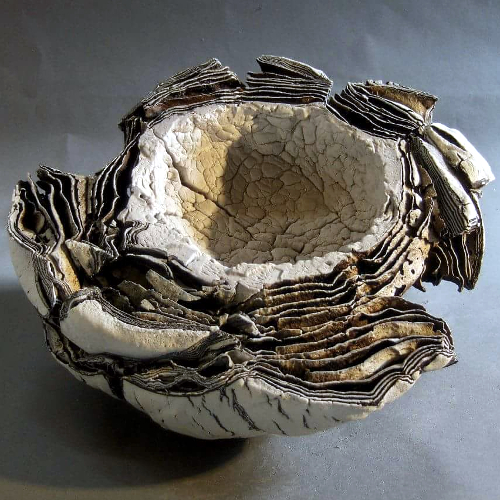
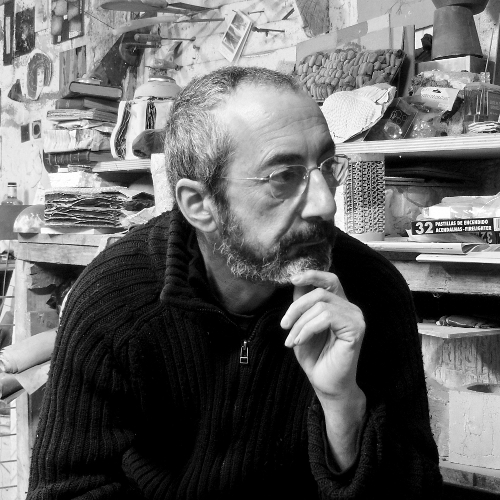
The use of shoot high temperatures with conventional clays in contrast with porcelain, surprising effects for results between the predictable and the unpredictable. Rafa Pérez introduces us to his methods that have made him famous in the field of contemporary ceramic sculpture.
PROGRAM: - Fully practical lessons. - Use of different techniques to obtain a wide range of results. - Use of blocks with different types of clays at the same time. - Alternative chemical treatments to the techniques. - Production of pieces, firing, evaluation and reproduction of new pieces. The 20-hour workshop lasts from 9.00 to 17.00 on Friday and Saturday and from 9.00 to 16.00 on Sunday. Teacher: Rafa Pérez Translator and Assistant: Martha Pachon Languages: English, Italian, French, Spanish Download the application form in pdf Download the full program in pdf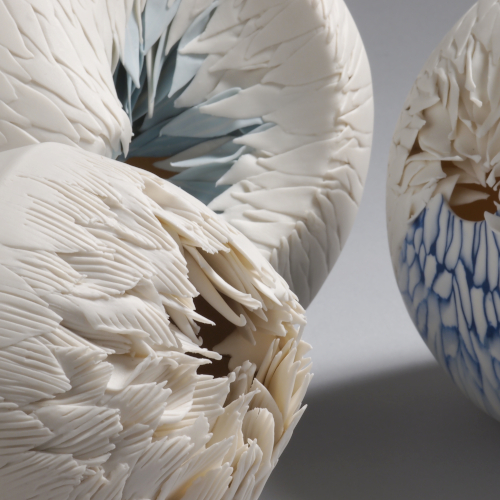
DYNAMIC PORCELAIN | Martha Pachon
Multitechnic Course of Body and Slip Porcelain
Inspired by the new developments of contemporary ceramics, both utilitarian and decorative, sculptural or any application that can be made of this precious material, this course is structured as a laboratory of "multiprocesses" to know and master the basic techniques of slip and body porcelain. Understanding porcelain in a practical, direct, easy and fast way will be the goal of this course. Participants will have at their disposal different techniques, some simple and other complex, with and without the use of molds, with the possibility of glazing also in single firing, with theoretical chapter dedicated in detail to all the questions regarding porcelain: drying, breakage, deformation, firing curves, etc.
THE PARTICIPANTS, BEYOND TO BRING HIS FINISHED WORKS TO HOME, WILL HAVE THE RIGHT KNOWLEDGE OF ALL THE RESOURCES IN THE FIELD OF THE PORCELAIN: ITS QUALITY OF TRANSPARENCY, RESISTANCE, REFINEMENT AND WITHOUT GOING CRAZY!
The 20-hour workshop lasts from 9.00 to 17.00 on Friday and Saturday and from 9.00 to 16.00 on Sunday.
Included in the Workshop cost: 20 hours of teaching | all the necessary materials | firings | nr. 3 brunch lunch | a box with the samples of the materials used during the workshopTeacher: Martha Pachon Languages: English, Italian, French, Spanish
Download the full program in pdfTo confirm your inscription you have to make a bank transfer of a deposit or the total amount.
CERAMIC MAZE: THE CLAYS | Vilma Bosi
Imparare le tecniche di foggiatura e la cottura delle terre
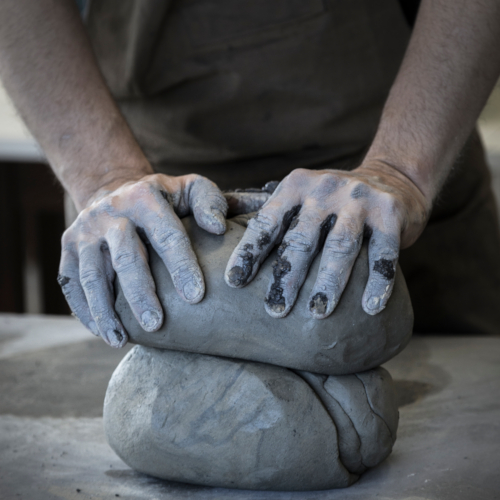
Quando ci si avvicina al mondo della ceramica spesso si incontrano le prime difficoltà già nella fase di modellazione proprio per mancanza di competenze nelle tecniche di foggiatura dei manufatti. Gli impasti ceramici e le argille possono essere lavorati in diversi modi e in questo corso di base ci proponiamo di introdurvi ad alcune delle tecniche fondamentali come il colombino, la lastra, la stampatura e il colaggio.
La scelta del tipo di argilla da impiegare ed individuare la migliore tecnica di modellazione per la produzione delle forme sarà di basilare importanza per avere successo nel portare a termine i vostri progetti ed evitare perdite di tempo e di denaro.
Il corso non è finalizzato alla realizzazione di oggetti finiti ma si limita alla produzione in libertà di esperienze costruttive, tattili e di cottura sempre sotto la guida del docente.
14 ore di docenza | i materiali necessari allo svolgimento del corso | le cotture | nr. 2 pasti brunch (colazione e pranzo) | una scatola omaggio (con campionatura dei materiali utilizzati durante il corso)
Costo: 250.00€ Docente: Vilma Bosi Scarica il modulo d'iscrizione in formato pdf Scarica il programma in formato pdf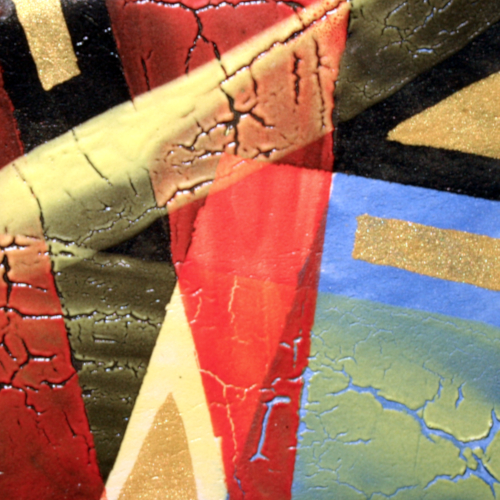
LA SINTERRACOTTA | Giovanni Cimatti
Monocottura con gres a partire da 1050 gradi
Una buona ceramica si distingue non solo per come è rivestita e la sua intrinseca arte ma sopratutto per il suo corpo che è forte e compatto quando è realizzata in gres. Oggi è possibile utilizzare un innovativo gres bianco, anche senza raggiungere la faticosa e costosa alta temperatura, ed avere la sinterizzazione di questa argilla in tutti i tipi di forni per ceramica.
Durante il corso faremo anche esperienza di come sia possibile ridurre ulteriormente i costi facendo una cottura unica di argilla e smalti che viene infatti definita monocottura. Useremo un'argilla plastica che rende facile modellare qualsiasi tipo di forma e particolari medium per l'applicazione a pennello di rivestimenti che saranno campiti anche con l'impiego di maschere adesive. Sara possibile infine anche applicare, in seconda cottura a 900 gradi, un simpatico e innovativo smalto oro.
Il corso di 14 ore inizia alle ore 9.00 e termina alle ore 17:00 del sabato e inizia alle ore 9:00 e termina alle ore 16.00 della domenica.
Compreso nel corso:14 ore di docenza | i materiali necessari allo svolgimento del corso | le cotture | nr. 2 pasti brunch (colazione e pranzo) | una scatola omaggio (con campionatura dei materiali utilizzati durante il corso)
Docente: Giovanni Cimatti Scarica il programma in formato pdfTo confirm your inscription you have to make a bank transfer of a deposit or the total amount.
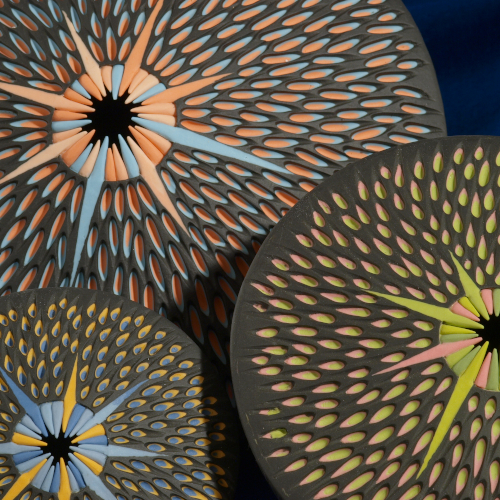
FULL IMMERSION IN THE MULTICOLORED PORCELAIN | Martha Pachon
From Jasper to Nerikomi
One of the finest qualities of porcelain is its sensuality to the touch, plus the surface can be enriched with vibrant colors or sharp contrasts of black and white. There are ancient and complex techniques of the "Neriage" family which, with a modern twist, allow to express, through many aesthetic solutions, from a jewel, a vase, a sculpture, an object, to a complex installation. Among the constructive techniques of colored body porcelain, by hand and with mold will be the contemporary revisiting of: L'Agata, Jasper, Zebra, Nerikomi, Mosaico with composite tiles and Mishima.
To take full advantage of the potential of these techniques, all the possible exercises will be carried out to get to know their strength and refinement. In addition, the realization of all the techniques will be followed by the tricks to avoid problems, breakages or deformations, reaching the maximum of beauty in the colors.
The 20-hour workshop lasts from 9.00 to 17.00 on Friday and Saturday and from 9.00 to 16.00 on Sunday.
Included in the Workshop cost: 20 hours of teaching | all the necessary materials | firings | nr. 3 brunch lunch | a box with the samples of the materials used during the workshopTeacher: Martha Pachon Languages: English, Italian, French, Spanish
Download the full program in pdf
To confirm your inscription you have to make a bank transfer of a deposit or the total amount.
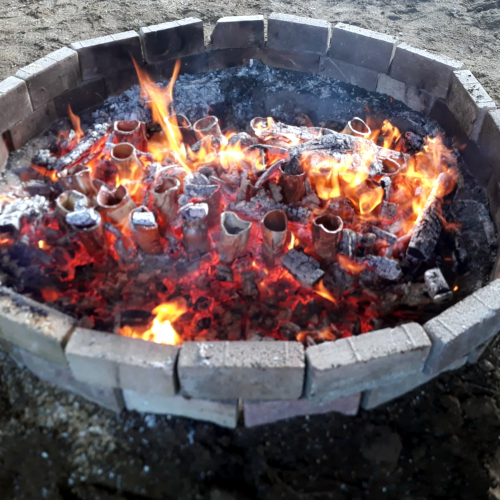
PIT FIRE | Giovanni Cimatti
La ceramica affrontata a meta tra primitivo e contemporaneità per indagare nuovi stadi della postmodernità dove non è solo l'opera al centro ma sopratutto il modo con cui la si ottiene. Applicheremo terre sigillate per ottenere superfici lucide da sola argilla senza levigatura e cristalline inattese in questa tecnica.
Arriveranno, dopo la seconda cottura a legna, lagune di nerofumo su fondi bianchi, lustri di rosso rame in riduzione e cavilli anneriti a zona.
Il corso di 14 ore inizia alle ore 9.00 e termina alle ore 17:00 del sabato e inizia alle ore 9:00 e termina alle ore 16.00 della domenica.
Compreso nel corso:14 ore di docenza | i materiali necessari allo svolgimento del corso | le cotture | nr. 2 pasti brunch (colazione e pranzo) | una scatola omaggio (con campionatura dei materiali utilizzati durante il corso)
Docente: Giovanni Cimatti Scarica il programma in formato pdfTo confirm your inscription you have to make a bank transfer of a deposit or the total amount.

Translucent porcelain
Immediate transparency workshop, slip porcelain without usa of mold and in a single-firing
Transparency is one of the most important qualities of porcelain and usually, requires a prolonged, precise and very accurate processing to obtain a fine beauty piece highlighted by the translucenty. This course allows you to develop two simple and immediate techniques that will facilitate and strengthen creativity to develop many projects without the use of large resources and experience in the field of porcelain techniques. We will use slip porcelain without the use of molds and with a single-firing.
PROGRAM: Totally practical lessons, preparation of the material and basic forms. Use of slip porcelain and construction with two totally different techniques. Surface treatment, controlled drying and finishing. Methods to avoid deformation and breakage during the process and all the special features of the specific firing for this technique. Recover broken complex variations of the techniques and the surface with the use of color introduced into the slip the porcelain. Production of pieces to project in small series for use or decoration. pieces or cracks with specific recipe. Finally, more co. The 14-hour workshop lasts from 9.00 to 17.00 on Saturday and from 9.00 to 16.00 on Sunday. Teacher: Martha Pachon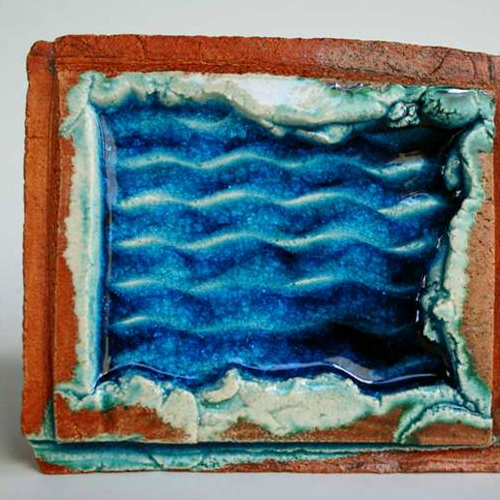

A sea of melted glass
A Faenza, sul finire degli anni 60′, Guerrino Tramonti pratica una tecnica ceramica pittorica denominata “A grosso spessore”. Si tratta di una ceramica che prevede la formazione di uno spessore alto di vetro liquido (cristallina) che allaga entro una superficie piana definita da una bordatura.
Durante il corso saranno fatte esperienze con l’inserimento di smalti, ingobbi, fritte colorate, vetri da vetraria e fili metallici. Saranno impiagate anche le “terre sigillate” che saranno applicate sulle cornici a formare rugginose e brillanti cortecce. Le forme in argilla già biscottata saranno fornite dall’organizzazione.
Programma: Applicazione su biscotto di ingobbi naturali del genere terra sigillata – applicazione al centro delle forme di smalti, vetri in frammenti ecc e copertura di vernice trasparente o colorata in rame con varie tecniche di miscelazione – cottura notturna – descrizione dei prodotti usati – esempio di preparazione di una terra sigillata – nelle foto alcuni esempi di opere realizzate da G. Cimatti
Le forme saranno realizzate seguendo le indicazioni del docente, saranno cotte e consegnate entro i tempi del corso stesso. Il corso di 14 ore inizia alle ore 9.00 del sabato e termina alle ore 16.00 della domenica. Docente: Maestro Giovanni Cimatti