THREE-DIMENSIONAL PHOTOGRAPHY | Sara Dario
04-05-06-07 October 2024
Ceramic Screen Printing Course.
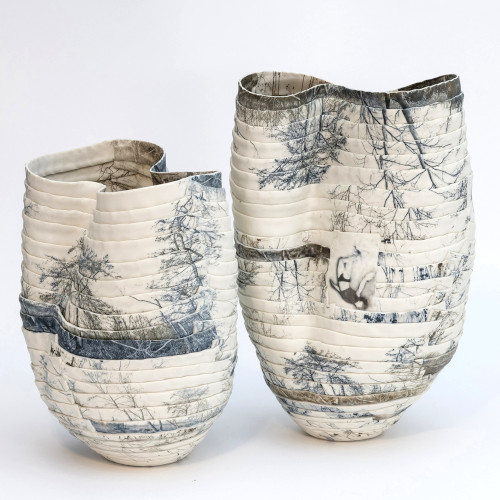
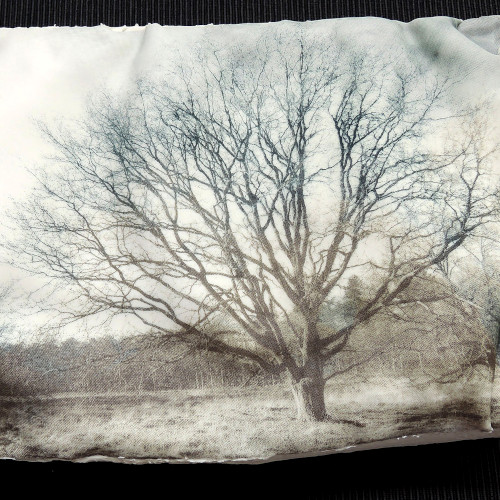
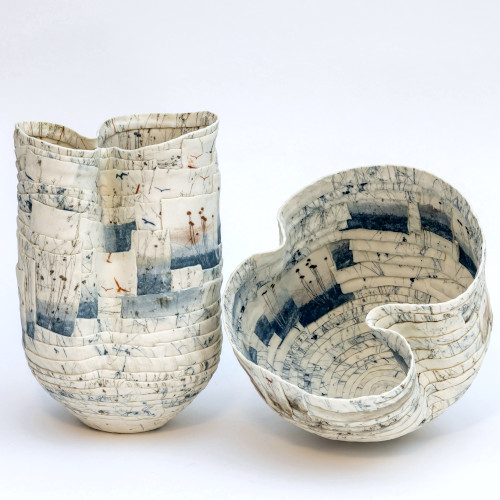
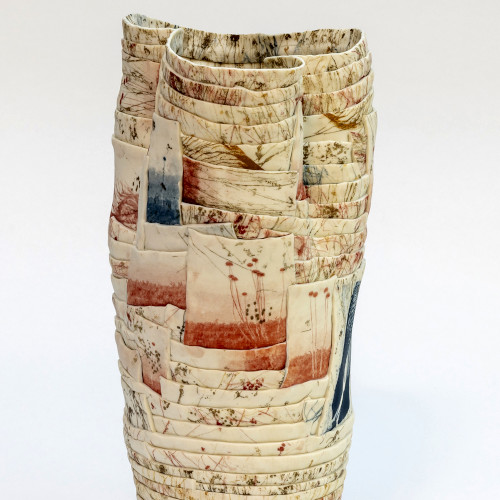
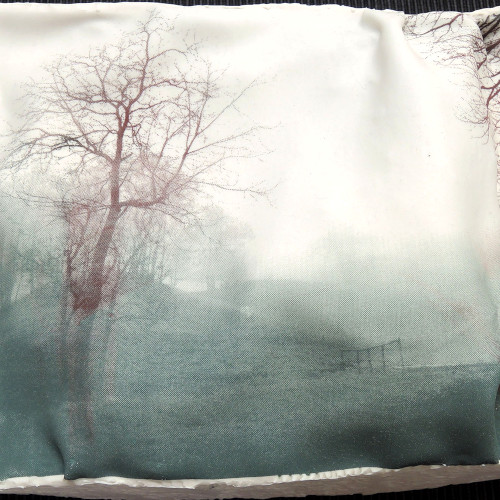
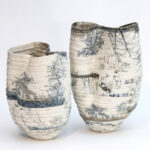
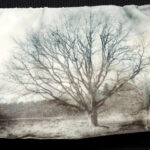
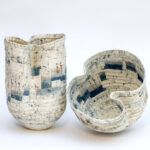
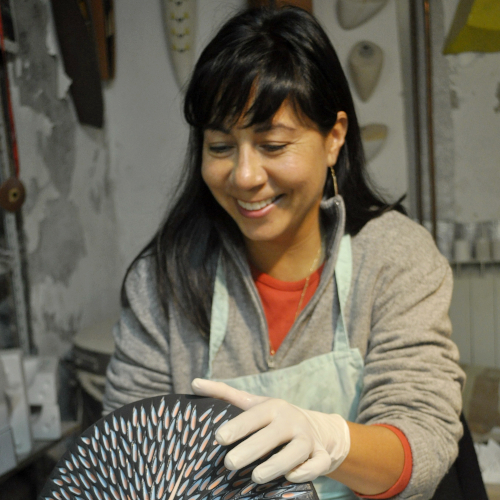
In this basic course, participants will take a first approach to screen printing and its use. They will have the opportunity to print on porcelain with screen printing frames engraved with their own pre-selected images.
The work will be plate-based and they will be able to create: a first two-dimensional work and one or more works of their own imagination. Students will be supervised from the first prints on porcelain to the design and realisation of a personal work.
The lessons are entirely practical in addition to a theoretical chapter, firings and materials and a FAQ (Frequently Asked Questions) session.
Sara Dario
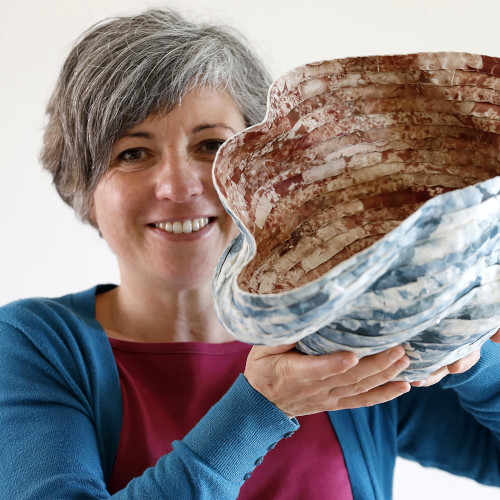
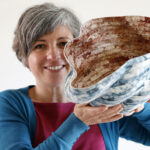
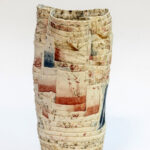
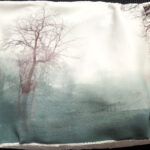
He graduated from Venice Art School and graduated in Sculpture at the Academy of Fine Arts in Carrara. During his academic studies, he became interested in photography and printing techniques, not only traditional ones such as black and white and colour, but above all unconventional ones such as photogravure and photo serigraphy, printing on various materials and supports. His aesthetic quest is to combine sculpture and photography and thus give his images a body.
The 27-hour workshop lasts from 9.00 to 17.00 on Friday, Saturday and Sunday and from 9.00 to 16.00 on Monday.
Included in the Workshop cost:
27 hours of teaching | all the necessary materials | firings | nr. 4 brunch lunch | screen-printing frame
Teacher: Sara Dario
Languages: English and Italian
Download the full program in pdf
Download the CV of Sara Dario in pdf
To confirm your inscription you have to make a bank transfer of a deposit or the total amount.
Richiesta informazioni
Related products
DYNAMIC PORCELAIN | Martha Pachon
Multitechnic Course of Body and Slip Porcelain
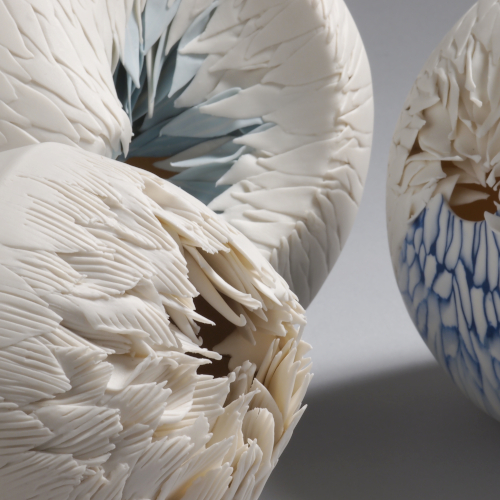
Inspired by the new developments of contemporary ceramics, both utilitarian and decorative, sculptural or any application that can be made of this precious material, this course is structured as a laboratory of "multiprocesses" to know and master the basic techniques of slip and body porcelain. Understanding porcelain in a practical, direct, easy and fast way will be the goal of this course. Participants will have at their disposal different techniques, some simple and other complex, with and without the use of molds, with the possibility of glazing also in single firing, with theoretical chapter dedicated in detail to all the questions regarding porcelain: drying, breakage, deformation, firing curves, etc.
THE PARTICIPANTS, BEYOND TO BRING HIS FINISHED WORKS TO HOME, WILL HAVE THE RIGHT KNOWLEDGE OF ALL THE RESOURCES IN THE FIELD OF THE PORCELAIN: ITS QUALITY OF TRANSPARENCY, RESISTANCE, REFINEMENT AND WITHOUT GOING CRAZY!
The 20-hour workshop lasts from 9.00 to 17.00 on Friday and Saturday and from 9.00 to 16.00 on Sunday.
Included in the Workshop cost: 20 hours of teaching | all the necessary materials | firings | nr. 3 brunch lunch | a box with the samples of the materials used during the workshopTeacher: Martha Pachon Languages: English, Italian, French, Spanish
Download the full program in pdfTo confirm your inscription you have to make a bank transfer of a deposit or the total amount.
IMMEDIATE TRANSPARENCIES | Martha Pachon
Liquid porcelain without use of the mold and in sigle firing
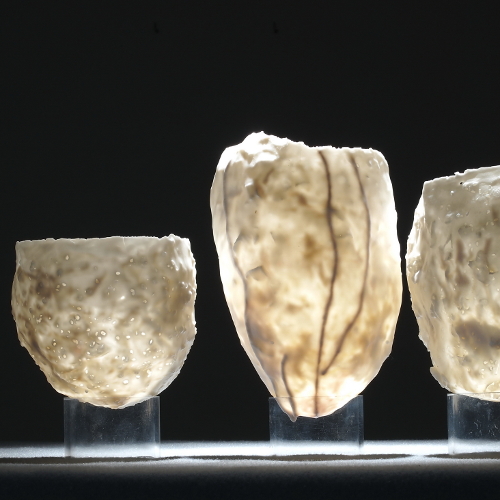
Transparency is one of the most important qualities of porcelain and usually requires a prolonged, precise and very accurate processing to obtain a piece of fine beauty highlighted by the translucency of the light. This course allows you to develop two simple and immediate techniques that will facilitate and strengthen creativity to develop many projects without the use of large resources and experience in the field of porcelain.
We will use the slip porcelain without the use of molds and single-firing and the two techniques, one for objects with organic shapes and another for objects with geometric shapes and more precise.
The 14-hour workshop lasts from 9.00 to 17.00 on Saturday and from 9.00 to 16.00 on Sunday.
Included in the Workshop cost: 14 hours of teaching | all the necessary materials | firings | nr. 2 brunch lunch | a box with the samples of the materials used during the workshopTeacher: Martha Pachon Languages: English, Italian, French, Spanish
Download the full program in pdf
To confirm your inscription you have to make a bank transfer of a deposit or the total amount.
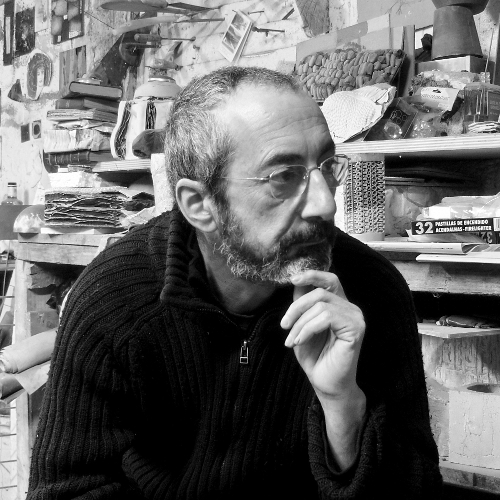
Volcanic landscapes with Rafa Peréz
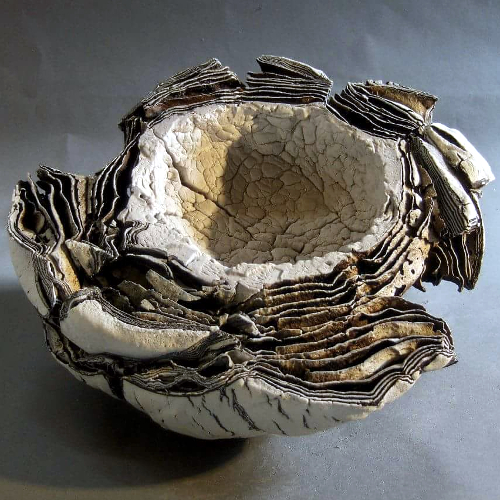
The use of shoot high temperatures with conventional clays in contrast with porcelain, surprising effects for results between the predictable and the unpredictable. Rafa Pérez introduces us to his methods that have made him famous in the field of contemporary ceramic sculpture.
PROGRAM: - Fully practical lessons. - Use of different techniques to obtain a wide range of results. - Use of blocks with different types of clays at the same time. - Alternative chemical treatments to the techniques. - Production of pieces, firing, evaluation and reproduction of new pieces. The 20-hour workshop lasts from 9.00 to 17.00 on Tuesday and Wednesday and from 9.00 to 16.00 on Thursday. Teacher: Rafa Pérez Translator and Assistant: Martha Pachon Languages: English, Italian, French, Spanish Download the application form in pdf Download the full program in pdf
Jewelery in Porcelain
Corso di costruzione di gioielli con le tecniche antiche asiatiche multicolore fino alla sua presentazione finale. Sviluppo ed approfondimento delle tecniche della famiglia del “Neriage” e applicazione in un progetto definitivo per un gioiello. Metodi per preparare gli impasti colorati, processi delle tecniche con metodi di conformazione a stampo, essiccamento, cotture, correzioni di crepe, rotture e deformazione. Montaggio delle diverse alternative e materiali di uso facile e immediato. Agli allievi verranno fornite le parti metalliche e in argento per montare un gioiello completo.
PROGRAMMA: Lezioni totalmente pratiche con un capitolo teorico per tecnologia – riparazione della porcellana ad impasto e barbotine colorate, ricetta e percentuali – creazione dei motivi organici, geometrici o astratti direttamente nello impasto traverso: -Metodi di composizione a blocco, rotolo e forme colorate dell’Arcobaleno – Metodi di costruzione de tasselli composti,uso delle barbotine colorate – Come applicare su stampi evitando crepe e deformazioni – Rifinizione e correzioni dopo cottura biscotto – Metodi di “estivazione” dei pezzi per cottura di alta. Particolarità per evitare deformazioni e rotture -Rifinizione e correzioni dopo ultima cottura.
Cottura (il sabato sera): biscotto, solo dei pezzi realizzati il medesimo giorno ed essiccati, sabato cottura de alta 1250°C, quelli della domenica non saranno cotti, ma è sufficiente per capire la tecnica. Nota: i materiali utilizzati per infornare i pezzi sono soltanto per dimostrazione e cottura Il corso di 14 ore inizia alle ore 9.00 del sabato e termina alle ore 16.00 della domenica. Docente: Martha Pachon
Prehistoric firings
Per chi ama i modi naturali e vede nella ceramica le varietà espressive che questi possono dare. Porterete tre forme essiccate (non cotte) di misura massima singola cm 20 (altezza) x 10 x 10 a spessore max mm7 realizzate in argille bianche da Raku. Le superfici delle forme potranno essere levigate a pressione ma non ingobbiate. Faremo esperienza di applicazione di argille su argille, di smalti in monocottura e di fiammature con cottura a legna che con la sua casualità ci mostrerà giochi infiniti di trasparenze, neri e lustri.
Programma: applicazione sulle vostre forme secche di ingobbi del genere Terra Sigillata, sali metallici, vernici e smalti – cottura notturna a biscotto – allestimento del fuoco e inserimento delle forme – cottura a legna – estrazione delle forme a mezza e fine cottura – lezioni di tecnologia a domanda.
Le forme saranno realizzate seguendo le indicazioni del docente, saranno cotte e consegnate entro i tempi del corso stesso. Il corso di 14 ore inizia alle ore 9.00 del sabato e termina alle ore 16.00 della domenica. Docente: Maestro Giovanni Cimatti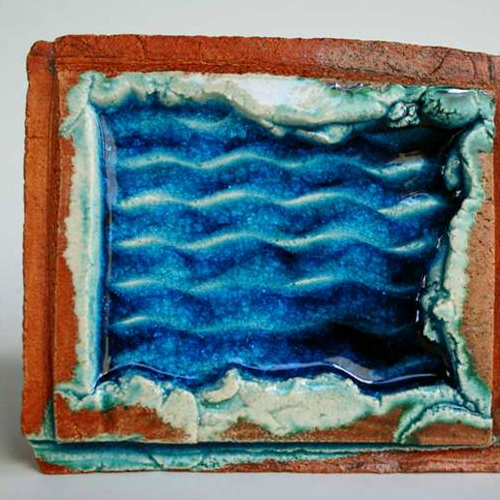

A sea of melted glass
A Faenza, sul finire degli anni 60′, Guerrino Tramonti pratica una tecnica ceramica pittorica denominata “A grosso spessore”. Si tratta di una ceramica che prevede la formazione di uno spessore alto di vetro liquido (cristallina) che allaga entro una superficie piana definita da una bordatura.
Durante il corso saranno fatte esperienze con l’inserimento di smalti, ingobbi, fritte colorate, vetri da vetraria e fili metallici. Saranno impiagate anche le “terre sigillate” che saranno applicate sulle cornici a formare rugginose e brillanti cortecce. Le forme in argilla già biscottata saranno fornite dall’organizzazione.
Programma: Applicazione su biscotto di ingobbi naturali del genere terra sigillata – applicazione al centro delle forme di smalti, vetri in frammenti ecc e copertura di vernice trasparente o colorata in rame con varie tecniche di miscelazione – cottura notturna – descrizione dei prodotti usati – esempio di preparazione di una terra sigillata – nelle foto alcuni esempi di opere realizzate da G. Cimatti
Le forme saranno realizzate seguendo le indicazioni del docente, saranno cotte e consegnate entro i tempi del corso stesso. Il corso di 14 ore inizia alle ore 9.00 del sabato e termina alle ore 16.00 della domenica. Docente: Maestro Giovanni Cimatti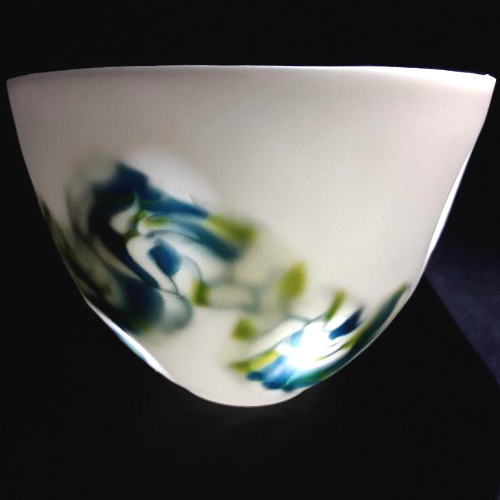
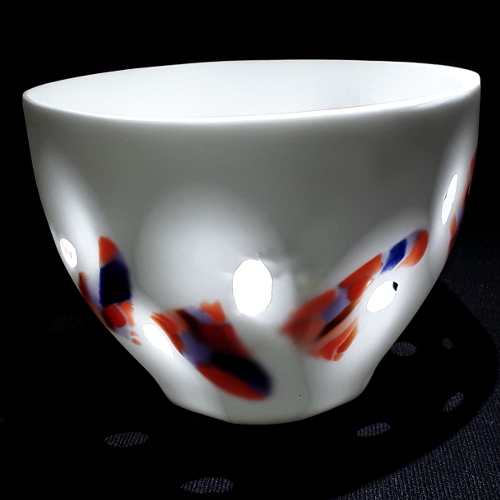
Jasper and Neriage
Slip porcelain and body porcelain in one piece
Two techniques distant in time and in geography, one technique, with slip porcelain and another with body porcelain, come together in a complex but fascinating technique with a wide variety of applications, from the unique piece to small series. To make the most of the potential of these techniques: Jasper and Nerikomi, the students will perform different exercises to get to know their fragility, strength and refinement. All the process and derivations for applications to different kind of objects, corrections of cracks, breakages and deformation.
Program: - Totally practical lessons with a theoretical chapter by technology. - Preparation of colored slip porcelain, recipe and percentages. - Preparation of colored body porcelain, recipe and percentages. - Creation of small pieces with different color combinations. - Methods of creating organic or geometric motifs. - Methods of including one technique on the other. - Surface finishing method. - Biscuit firing. - Finishing and corrections after biscuit firing. - Methods of positioning of the pieces into the kiln for high firing. Special features to avoid deformation and breakage. - Finishing and corrections after the last firing.The 20-hour workshop lasts from 9.00 to 17.00 on Friday and Saturday and from 9.00 to 16.00 on Sunday.
Teacher: Martha Pachon
Download the application form in pdf Download the program in pdf
PIT FIRE | Giovanni Cimatti
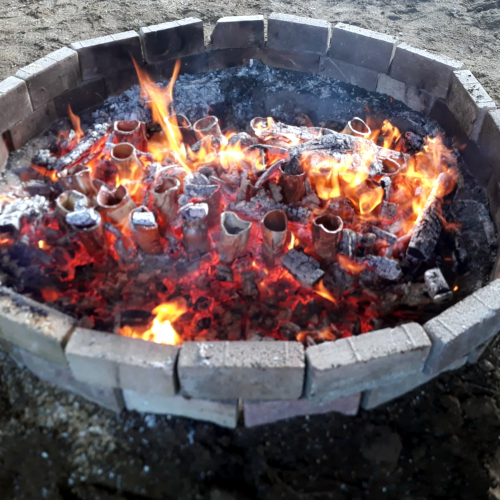
La ceramica affrontata a meta tra primitivo e contemporaneità per indagare nuovi stadi della postmodernità dove non è solo l'opera al centro ma sopratutto il modo con cui la si ottiene. Applicheremo terre sigillate per ottenere superfici lucide da sola argilla senza levigatura e cristalline inattese in questa tecnica.
Arriveranno, dopo la seconda cottura a legna, lagune di nerofumo su fondi bianchi, lustri di rosso rame in riduzione e cavilli anneriti a zona.
Il corso di 14 ore inizia alle ore 9.00 e termina alle ore 17:00 del sabato e inizia alle ore 9:00 e termina alle ore 16.00 della domenica.
Compreso nel corso:14 ore di docenza | i materiali necessari allo svolgimento del corso | le cotture | nr. 2 pasti brunch (colazione e pranzo) | una scatola omaggio (con campionatura dei materiali utilizzati durante il corso)
Docente: Giovanni Cimatti Scarica il programma in formato pdfTo confirm your inscription you have to make a bank transfer of a deposit or the total amount.