
LOW-TEMPERATURE GLAZES, CHEMISTRY AND FORMULATIONS | Claudio Gardenghi
22-23-24-25-26 May 2024
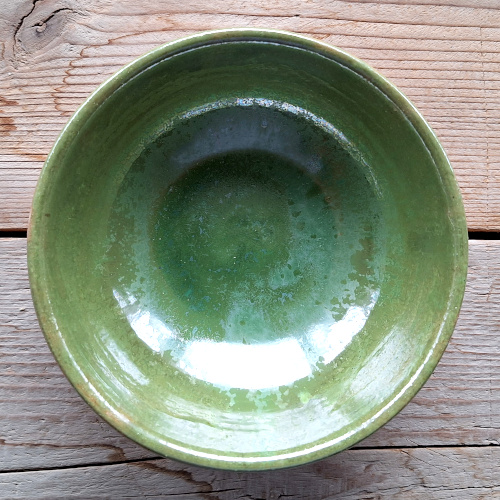
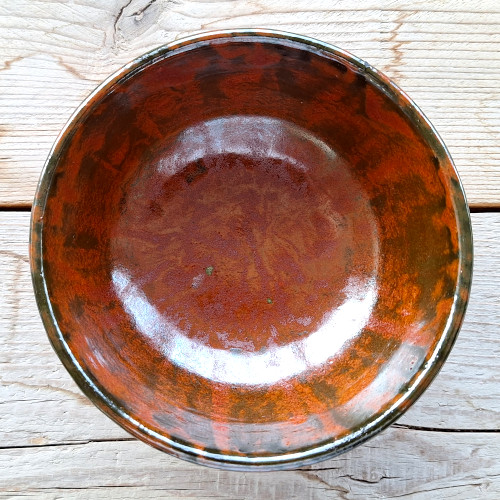
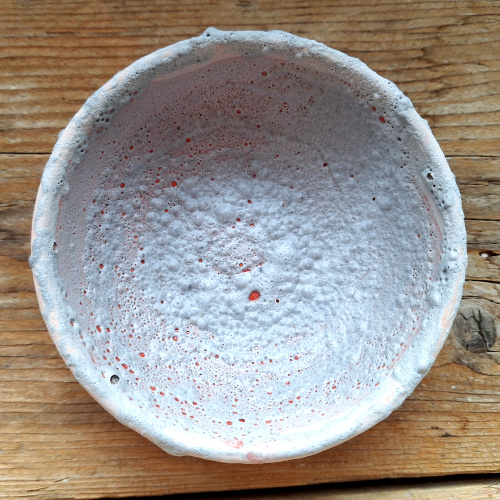
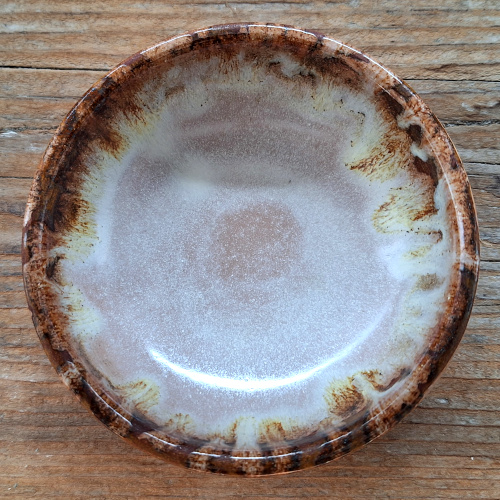
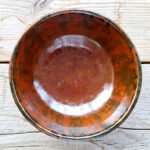
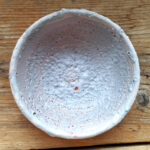
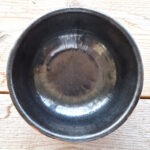
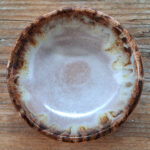
Course focusing on making your own low-temperature ceramic glazes.
In this particular course, you will learn how to formulate or modify the aesthetics of lowtemperature glazes.
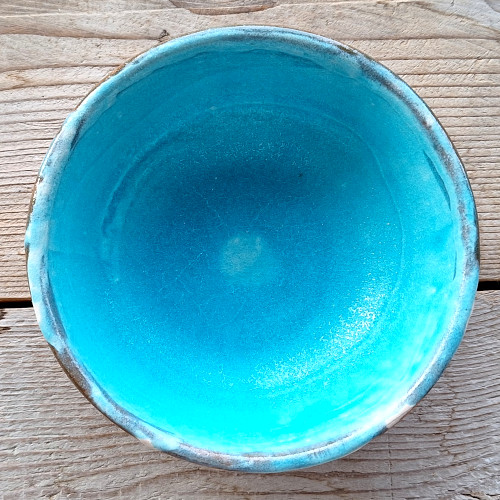
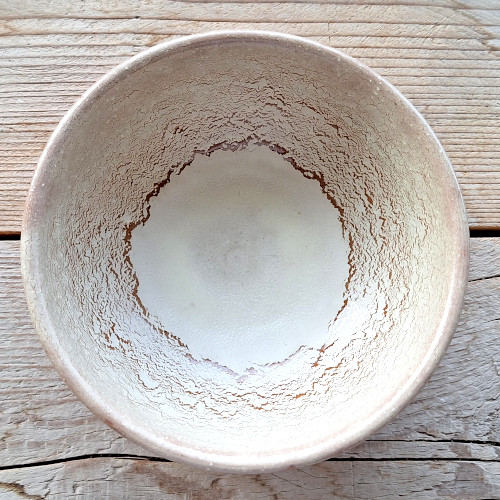
Low-temperature ceramic objects often need a “cover”. which is called a glaze, required to make the ceramic object water-resistant and aesthetically conform to what is desired.
What is needed to make a glaze? What frits and raw materials to combine to make it? How to modify a ready-made glaze? And how to proceed from test to test to achieve the desired effect?
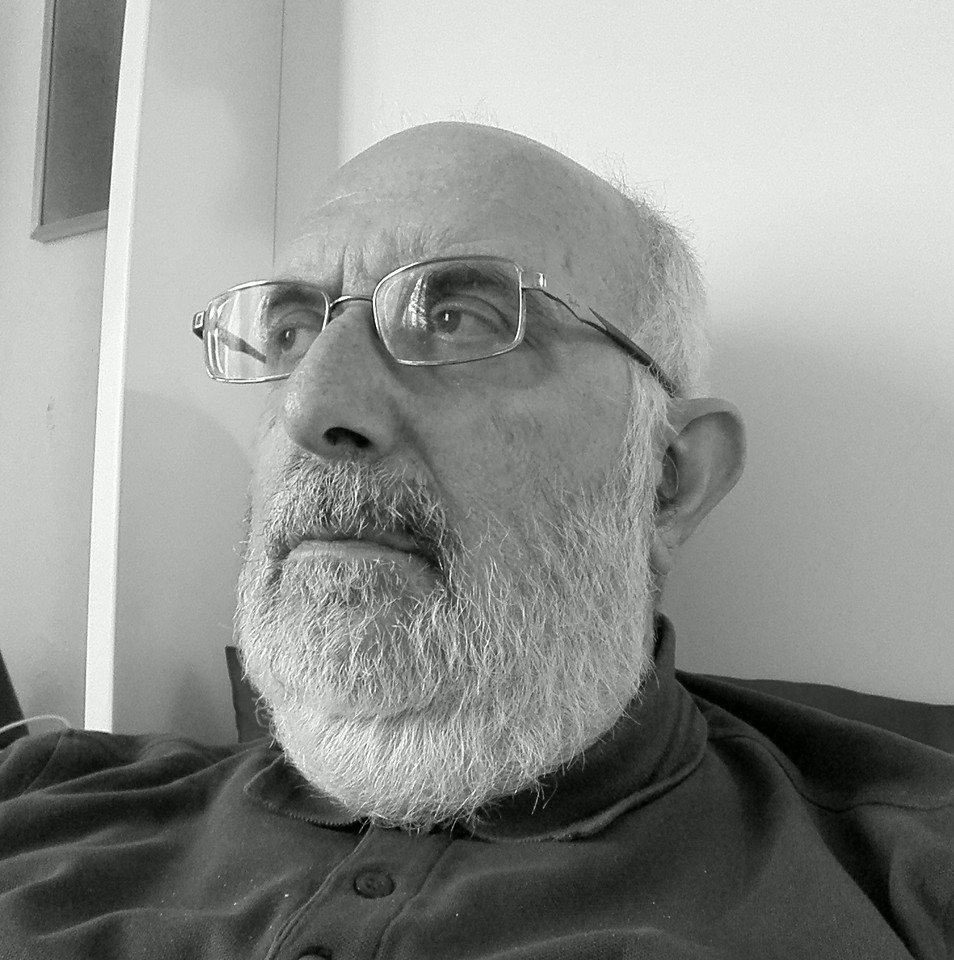
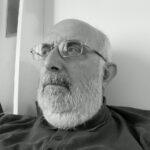
The teacher Claudio Gardenghi, an expert with over forty years of experience in some of the most important ceramic colour factories, will introduce participants to the world of lowtemperature glazes, also giving space for some personal research.
In fact, thanks to the small number of participants, it will be possible both to work on bases provided by the organisation and to analyse, replicate or correct glazes deriving from participants’ own research (“as long as they are suitable for low temperature”).
All results will then be presented and shared with the class.
Claudio Gardenghi
Graduated in Technological Education at the Art Institute for Ceramics ‘G. Ballardini’ in Faenza. During his working activity, he has developed collaborations with several Ceramic Colour Factories, including Colorobbia and Cover, as well as important ceramic industries such as Cooperativa Ceramica di Imola, La Faenza and Cerdomus. Over the years, he has been able to expand his experience in countless consulting assignments in different countries around the world )Spain, Portugal, Mexico, Venezuela, Brazil, China, South Africa and Iran.
The 32-hour workshop lasts from 9.00 to 17.00 on Wednesday, Thursday, Friday and Saturday and from 9.00 to 13.00 on Sunday.
Included in the Workshop cost:
32 hours of teaching | all the necessary materials | firings
Teacher: Claudio Gardenghi
Translator and assistant: Included
Languages: English, Italian
Download the full program in pdf
To confirm your inscription you have to make a bank transfer of a deposit or the total amount.
Richiesta informazioni
Related products

Translucent porcelain
Immediate transparency workshop, slip porcelain without usa of mold and in a single-firing
Transparency is one of the most important qualities of porcelain and usually, requires a prolonged, precise and very accurate processing to obtain a fine beauty piece highlighted by the translucenty. This course allows you to develop two simple and immediate techniques that will facilitate and strengthen creativity to develop many projects without the use of large resources and experience in the field of porcelain techniques. We will use slip porcelain without the use of molds and with a single-firing.
PROGRAM: Totally practical lessons, preparation of the material and basic forms. Use of slip porcelain and construction with two totally different techniques. Surface treatment, controlled drying and finishing. Methods to avoid deformation and breakage during the process and all the special features of the specific firing for this technique. Recover broken complex variations of the techniques and the surface with the use of color introduced into the slip the porcelain. Production of pieces to project in small series for use or decoration. pieces or cracks with specific recipe. Finally, more co. The 14-hour workshop lasts from 9.00 to 17.00 on Saturday and from 9.00 to 16.00 on Sunday. Teacher: Martha Pachon
Silk-screen printing Workshop
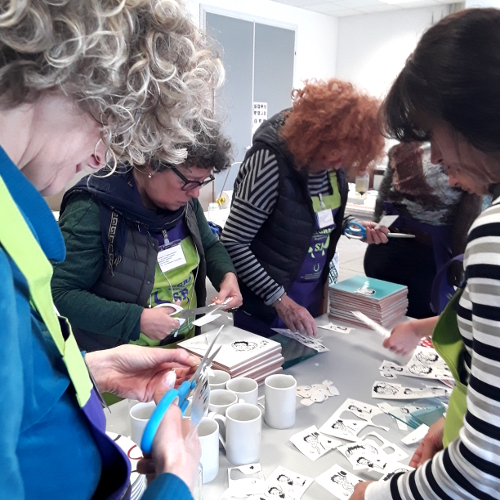
Questo corso ha lo scopo di fornire le conoscenze necessarie per creare le proprie decalcomanie vetrificabili e stamparle su diversi supporti ceramici o vetrosi. Inoltre attraverso la stampa grafica su ceramica, il corsista sarà introdotto a un campo poco esplorato, il vincolo dell’immagine ceramica con la lettura virtuale incorporando i codici QR. Questi codici offrono l’opportunità di reindirizzare la ceramica sul concetto di un progetto web (un blog, una pagina, una libreria virtuale, un videogioco, ecc.)Il corsista sarà introdotto nella pratica della elaborazione di una matrice, l’incisione in seta, la pulizia e il recupero dei telai, l’applicazione delle decalcomanie, l’uso di diversi supporti, la preparazione degli smalti e delle cotture. Sarà inoltre in grado di installare il proprio laboratorio di serigrafia con i più bassi costi possibili di attrezzature e risparmio dello spazio.
BIOGRAFIA SILVIA BARRIOSArtista e ricercatrice nata in Argentina. Si è specializzata nel campo dei nuovi media e delle tecnologie interattive applicate sulle arti del fuoco.Il suo tema di interesse attuale la “Ceramica Intelligente” deriva degli incontri fra la Serigrafia Ceramica e i processi creativi dei multimedia incentrati sulla bio-arte, l’elettronica, l’intelligenza artificiale e le arti digitali unitamente alle culture popolari sudamericane.Silvia Barrios è stata invitata con i suoi laboratori e istallazioni alla Biennale della Havana, la Biennale di SaoPaulo, e la Biennale di Mercosur, Buenos Aires. Ha realizzato diversi progetti internazionali, e ha esposto indiversi nazioni, fra loro, Cina, Italia, Spagna, Portogallo, Cuba, Argentina, Colombia, Ecuador e Perù.
Programma: Lezioni pratiche e teoriche finalizzate allo sviluppo della impressione di una immagine fotografica su un sopporto ceramico terroso o vitreo, crudo, biscottato o smaltato e anche sul vetro. Elaborazione della matrice, trattamento della seta per l’incisione. Pulizia e recupero dei telai. Applicazione delle decalcomanie. Uso dei diversi supporti: terracotta, terraglia, gres, porcellana, vetro. Preparazione degli smalti per serigrafia. Cotture a diversi ambienti. Come istallare il proprio laboratorio di serigrafia. Introduzione del codice QR alla serigrafia. Conferenza audiovisiva – Riassunto del processo per consolidare le conoscenze – Test e valutazione dei risultati Riflessioni sulla introduzione dei codici multi mediatici e la progettazione sul campo della ceramica contemporanea – Panorama dei progetti innovatori della ceramica nel campo della elettronica, intelligenza artificiale, bioscienza e robotica. Conclusioni con una mostra di un progetto artistico di gruppo dei corsisti.
Le forme saranno realizzate seguendo le indicazioni del docente, saranno cotte e consegnate entro i tempi del corso stesso. Il corso di 20 ore dura dalle ore 9.00 alle ore 17:00 del venerdì, dalle 9.00 alle ore 17:00 del sabato e dalle ore 9:00 alle ore 16.00 della domenica. Docente: Silvia Barrios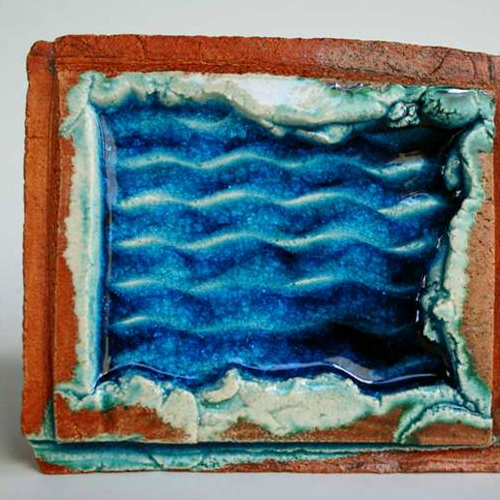

A sea of melted glass
A Faenza, sul finire degli anni 60′, Guerrino Tramonti pratica una tecnica ceramica pittorica denominata “A grosso spessore”. Si tratta di una ceramica che prevede la formazione di uno spessore alto di vetro liquido (cristallina) che allaga entro una superficie piana definita da una bordatura.
Durante il corso saranno fatte esperienze con l’inserimento di smalti, ingobbi, fritte colorate, vetri da vetraria e fili metallici. Saranno impiagate anche le “terre sigillate” che saranno applicate sulle cornici a formare rugginose e brillanti cortecce. Le forme in argilla già biscottata saranno fornite dall’organizzazione.
Programma: Applicazione su biscotto di ingobbi naturali del genere terra sigillata – applicazione al centro delle forme di smalti, vetri in frammenti ecc e copertura di vernice trasparente o colorata in rame con varie tecniche di miscelazione – cottura notturna – descrizione dei prodotti usati – esempio di preparazione di una terra sigillata – nelle foto alcuni esempi di opere realizzate da G. Cimatti
Le forme saranno realizzate seguendo le indicazioni del docente, saranno cotte e consegnate entro i tempi del corso stesso. Il corso di 14 ore inizia alle ore 9.00 del sabato e termina alle ore 16.00 della domenica. Docente: Maestro Giovanni Cimatti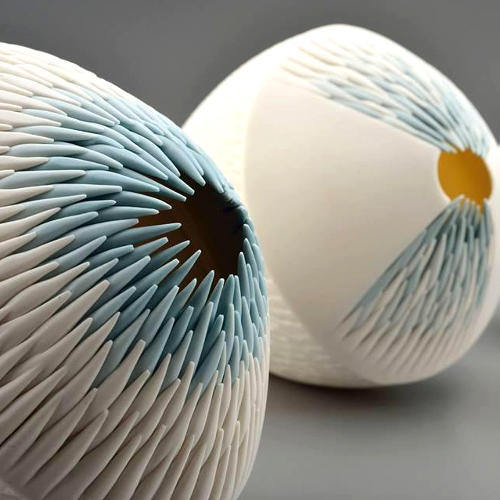
Discovering Porcelain
Basic Course of slip and body porcelain and its transparency
PORCELAIN is a material that requires a prolonged, precise and very accurate processing to obtain pieces of exquisite beauty. The different techniques faced with this material allow us to highlight two important qualities, TRANSPARENCY and SMOTHY to the touch.
This course allows you to develop simple basic techniques, all tricks to avoid cracks, breakages, deformations, the secrets to recover a broken piece, the knowledge of the correct drying and the different firing curves.
We would use body and slip porcelain with and without the use of single and double-fired molds. The purpose is to ENHANCE CREATIVITY WITH THE RIGHT KNOWLEDGE OF ALL RESOURCES IN THE FIELD OF PORCELAIN AND ITS QUALITY OF TRANSPARENCY AND WITHOUT GOING CRAZY!
Program: - Fully practical lessons with a theoretical chapter for basic technology: - Preparation of the slip and body porcelain recipe and percentages. - Slip casting porcelain methods with and without molds - Methods of achieving transparency - Method of constructions with slabs or small fragments - Precautions in drying, firing and finishing - How to obtain smooth surfaces - How to glaze with simple means - How to recover broken or craked pieces - Firing curves and how to place fragile pieces in the kiln, use of alumina - Corrections after biscuit and finishing after last firing The 20-hour workshop lasts from 9.00 to 17.00 on Friday and Saturday and from 9.00 to 16.00 on Sunday. Teacher: Martha Pachon Download the application form in pdf Download the program in pdf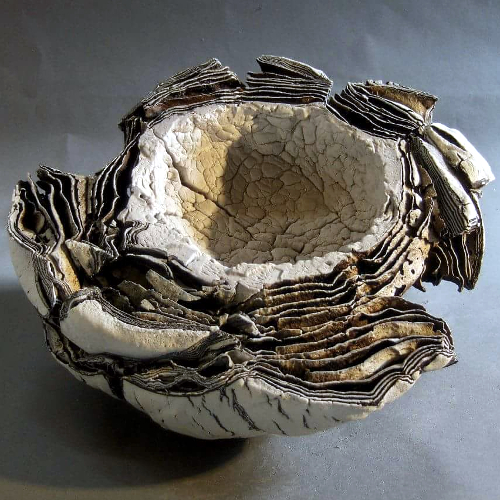
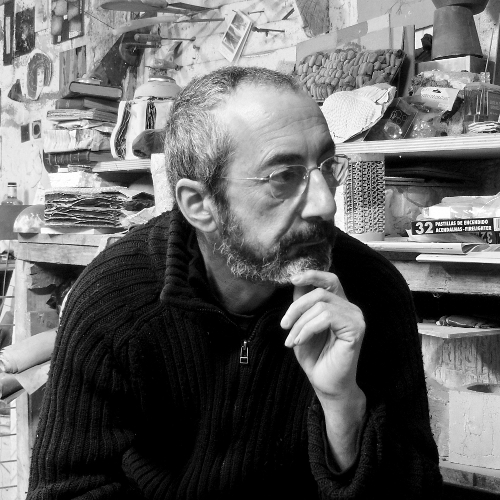
Volcanic landscapes with Rafa Peréz
The use of shoot high temperatures with conventional clays in contrast with porcelain, surprising effects for results between the predictable and the unpredictable. Rafa Pérez introduces us to his methods that have made him famous in the field of contemporary ceramic sculpture.
PROGRAM: - Fully practical lessons. - Use of different techniques to obtain a wide range of results. - Use of blocks with different types of clays at the same time. - Alternative chemical treatments to the techniques. - Production of pieces, firing, evaluation and reproduction of new pieces. The 20-hour workshop lasts from 9.00 to 17.00 on Friday and Saturday and from 9.00 to 16.00 on Sunday. Teacher: Rafa Pérez Translator and Assistant: Martha Pachon Languages: English, Italian, French, Spanish Download the application form in pdf Download the full program in pdf
Discovering Porcelain 2
Basic Course of slip and body porcelain and its transparency
PORCELAIN is a material that requires a prolonged, precise and very accurate processing to obtain pieces of exquisite beauty. The different techniques faced with this material allow us to highlight two important qualities, TRANSPARENCY and SMOTHY to the touch.
This course allows you to develop simple basic techniques, all tricks to avoid cracks, breakages, deformations, the secrets to recover a broken piece, the knowledge of the correct drying and the different firing curves.
We would use body and slip porcelain with and without the use of single and double-fired molds. The purpose is to ENHANCE CREATIVITY WITH THE RIGHT KNOWLEDGE OF ALL RESOURCES IN THE FIELD OF PORCELAIN AND ITS QUALITY OF TRANSPARENCY AND WITHOUT GOING CRAZY!
Program: - Fully practical lessons with a theoretical chapter for basic technology: - Preparation of the slip and body porcelain recipe and percentages. - Slip casting porcelain methods with and without molds. - Methods of achieving transparency. - Method of constructions with slabs or small fragments. - Precautions in drying, firing and finishing. - How to obtain smooth surfaces. - How to glaze with simple means. - How to recover broken or craked pieces. - Firing curves and how to place fragile pieces in the kiln, use of alumina. - Corrections after biscuit and finishing after last firing. The 20-hour workshop lasts from 9.00 to 17.00 on Friday and Saturday and from 9.00 to 16.00 on Sunday. Teacher: Martha Pachon Languages: English, Italian, French, Spanish Download the application form in pdf Download the program in pdf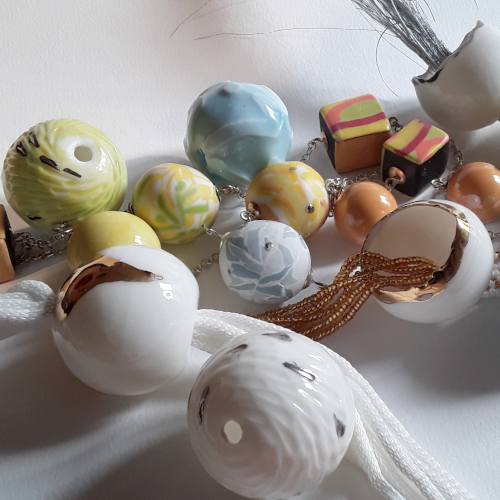
THE PEARL, FROM THE BEGINNING TO THE END | Martha Pachon
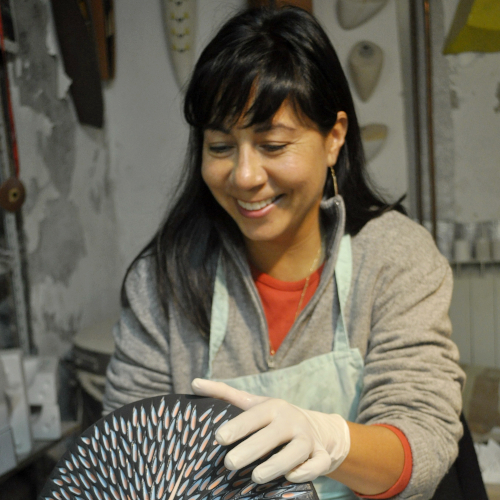
A complex and complete course to make the artist independent of creating large and small series of pearls for jewelery in various shapes, sizes and decorations. Making of molds, testing of slip and body porcelain, firing and decoration. The italian mold expert Florio Bedeschi, will be in charge of the first part of the course for the execution of complex but practical molds for pearls of different shapes and sizes.
A second part related to the use of the mold with the slip and body porcelain, how to firing and diferent kinds of decoration, will be with Martha Pachón Rodríguez.
The 20-hour workshop lasts from 9.00 to 17.00 on Friday and Saturday and from 9.00 to 16.00 on Sunday.
Included in the Workshop cost: 20 hours of teaching | all the necessary materials | firings | nr. 3 brunch lunch | a box with the samples of the materials used during the workshopTeachers: Martha Pachon and Florio Bedeschi Languages: English, Italian, French, Spanish
Download the full program in pdf
To confirm your inscription you have to make a bank transfer of a deposit or the total amount.
THE MAGIC OF COLORS IN TRANSLUCENT PORCELAIN | Martha Pachon
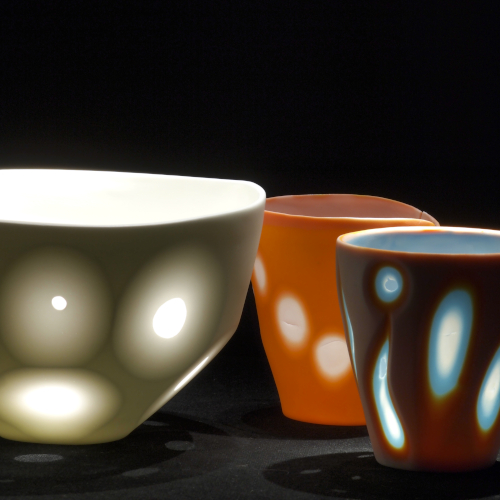
Transparency is one of the most important qualities of porcelain and usually requires a prolonged, precise and very accurate processing to obtain a piece of exquisite beauty highlighted by translucency. The evocative techniques presented in this course will have an important role in the creative process for those who want to build and draw with the light and color in porcelain.
We will use the slip porcelain with and without the use of molds. And above all, the participants will be able to dominate the most important aspects of the porcelain of great thinness: the drying, the impediment of the deformation and the firing.
The 20-hour workshop lasts from 9.00 to 17.00 on Friday and Saturday and from 9.00 to 16.00 on Sunday.
Included in the Workshop cost:20 hours of teaching | all the necessary materials | firings | nr. 3 brunch lunch | a box with the samples of the materials used during the workshop
Teacher: Martha Pachon Languages: English, Italian, French, Spanish
Download the full program in pdf
To confirm your inscription you have to make a bank transfer of a deposit or the total amount.