
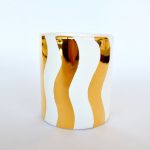


DECORATION WITH GOLD, LUSTRES AND COLOURS | Vilma Bosi
€320.00
13-14 June 2026
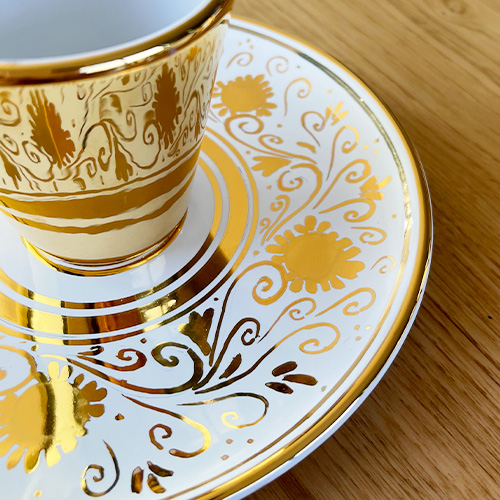
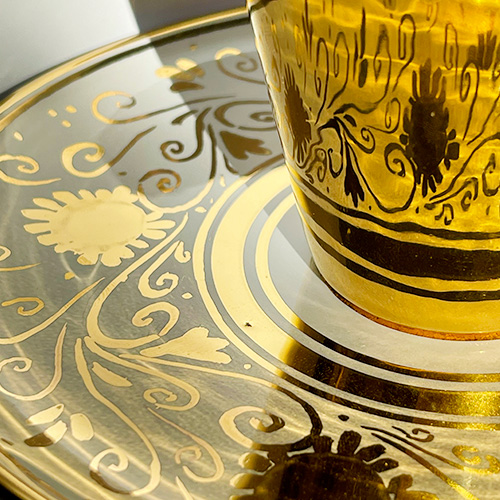
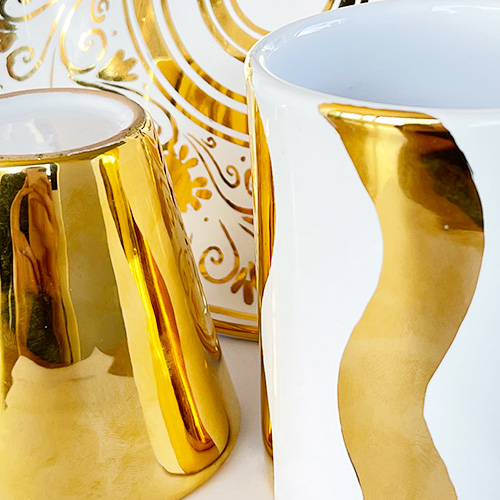
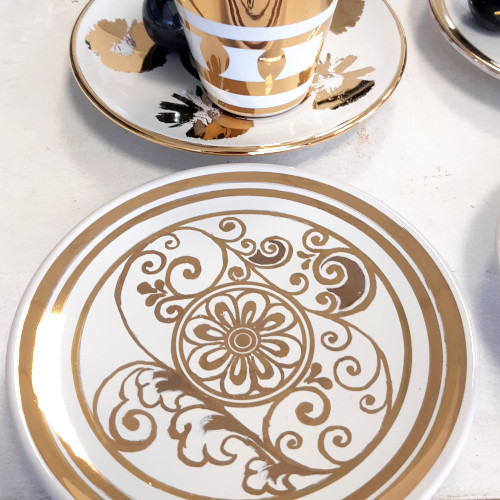
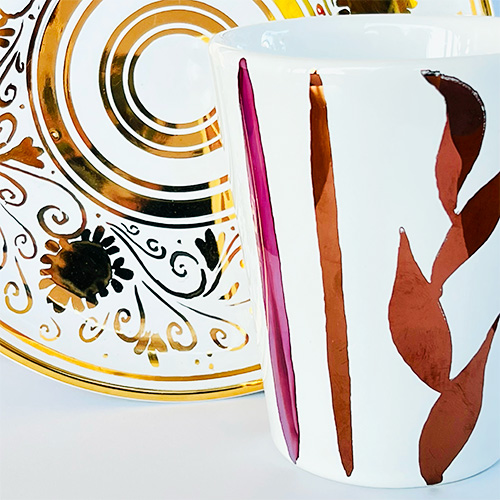
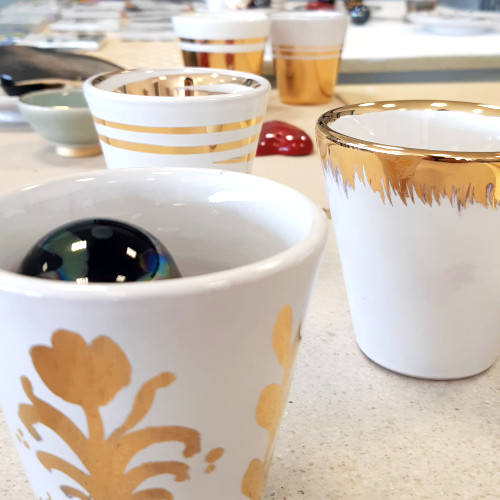
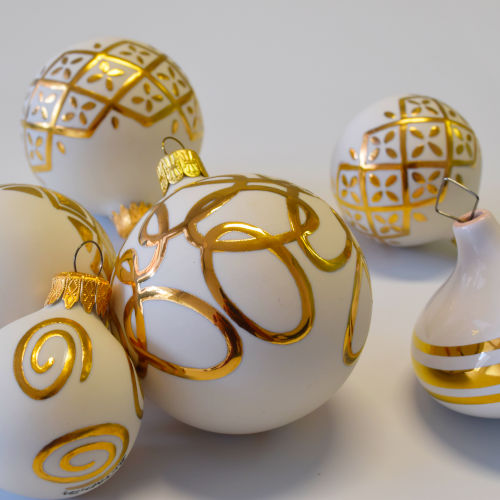
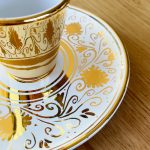
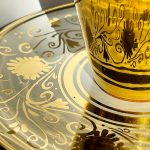
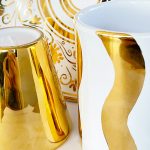
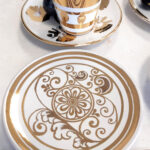
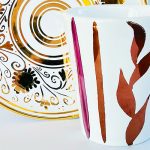
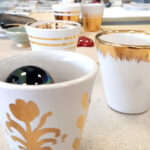
Learn how to work with precious and third-fire colours, easy application, decoration and firing of ceramics.
Third-firing decoration with gold, lustres and colours is a fascinating art that if well managed can be much less expensive than expected. Course participants will learn a correct approach to the technique so as not to waste time and resources. The course will begin with the knowledge of precious metals (gold and lustres) and their peculiarities, and will then move on to the preparation of the objects to be decorated, up to their application through personal decoration exercises. The course will continue with third-firing colours, and the various steps necessary to personalise already glazed objects with decorations (fillets, lettering, etc.) and backgrounds will be explored.
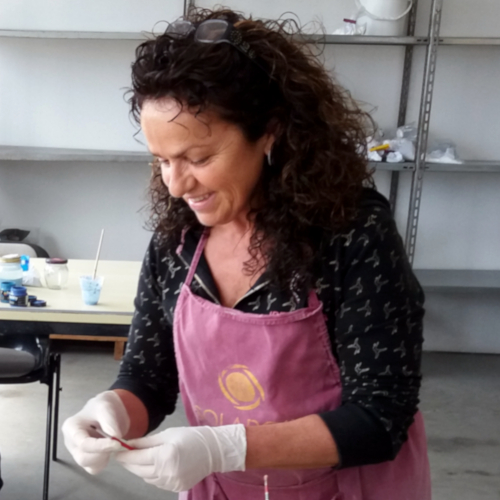
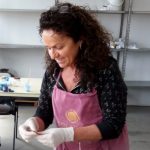
Vilma Bosi
In 1978 she began his work as a ceramist in Antonietta Mazzotti’s workshop where he became passionate and specialised in the decoration of ceramic artefacts. During her career, she collaborated with the Diva ceramics industry where she was in charge of the hand-decorated department and laboratory. Over time, her specialisation became the third fire (mainly gold and precious) thanks to which she collaborated with various artists and craftsmen in Italy. Among the most important are: La bottega Gatti, Fos Ceramiche, Padovani Ceramiche, Laboratorio Pesaro, Coralla Maiuri and Ceramic & Colours. In 2011, she was hired by Ceramic & Colours as laboratory manager, a role she still holds today. Since 2018 she has been teaching at the Faenza Art Ceramic Center.
The 11-hour course starts at 9 a.m. and ends at 5 p.m. on Saturday and starts at 9 a.m. and ends at 1 p.m. on Sunday.
Included in the course:
11 hours of teaching | the materials needed for the course | the firings | nr. 2 breakfasts
Teacher: Vilma Bosi
Language: Italian
Download the full program in pdf
To confirm your inscription you have to make a bank transfer of a deposit or the total amount.
Related products
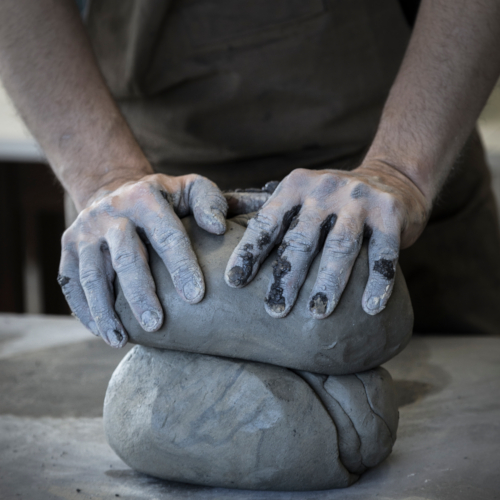
CERAMIC MAZE: THE CLAYS | Vilma Bosi
Imparare le tecniche di foggiatura e la cottura delle terre
Quando ci si avvicina al mondo della ceramica spesso si incontrano le prime difficoltà già nella fase di modellazione proprio per mancanza di competenze nelle tecniche di foggiatura dei manufatti. Gli impasti ceramici e le argille possono essere lavorati in diversi modi e in questo corso di base ci proponiamo di introdurvi ad alcune delle tecniche fondamentali come il colombino, la lastra, la stampatura e il colaggio.
La scelta del tipo di argilla da impiegare ed individuare la migliore tecnica di modellazione per la produzione delle forme sarà di basilare importanza per avere successo nel portare a termine i vostri progetti ed evitare perdite di tempo e di denaro.
Il corso non è finalizzato alla realizzazione di oggetti finiti ma si limita alla produzione in libertà di esperienze costruttive, tattili e di cottura sempre sotto
la guida del docente.
14 ore di docenza | i materiali necessari allo svolgimento del corso | le cotture | nr. 2 pasti brunch (colazione e pranzo) | una scatola omaggio (con campionatura dei materiali utilizzati durante il corso)
Costo: 250.00€
Docente: Vilma Bosi
Scarica il modulo d'iscrizione in formato pdf
Scarica il programma in formato pdf
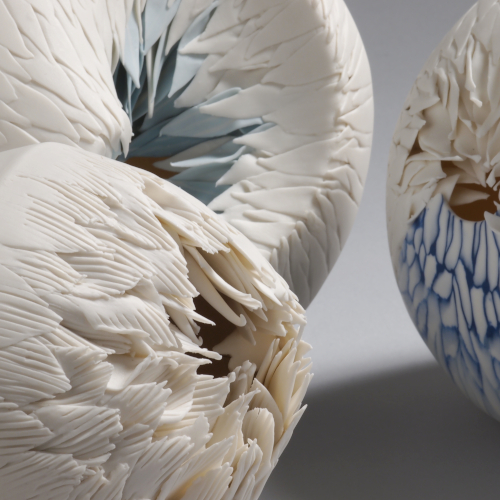
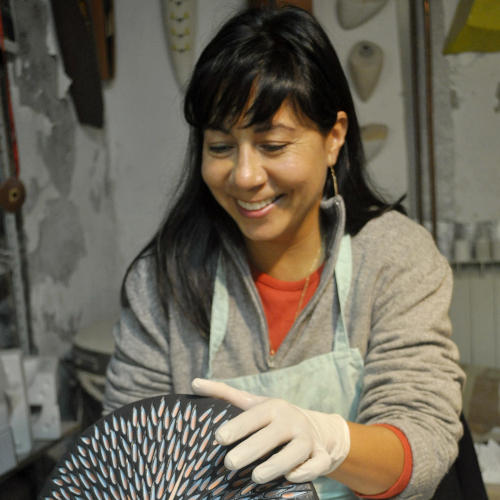
DYNAMIC PORCELAIN | Martha Pachon
Multitechnic Course of Body and Slip Porcelain
Inspired by the new developments of contemporary ceramics, both utilitarian and decorative, sculptural or any application that can be made of this precious material, this course is structured as a laboratory of "multiprocesses" to know and master the basic techniques of slip and body porcelain. Understanding porcelain in a practical, direct, easy and fast way will be the goal of this course. Participants will have at their disposal different techniques, some simple and other complex, with and without the use of molds, with the possibility of glazing also in single firing, with theoretical chapter dedicated in detail to all the questions regarding porcelain: drying, breakage, deformation, firing curves, etc.
THE PARTICIPANTS, BEYOND TO BRING HIS FINISHED WORKS TO HOME, WILL HAVE THE RIGHT KNOWLEDGE OF ALL THE RESOURCES IN THE FIELD OF THE PORCELAIN: ITS QUALITY OF TRANSPARENCY, RESISTANCE, REFINEMENT AND WITHOUT GOING CRAZY!
The 20-hour workshop lasts from 9.00 to 17.00 on Friday and Saturday and from 9.00 to 16.00 on Sunday.
Included in the Workshop cost:
20 hours of teaching | all the necessary materials | firings | nr. 3 brunch lunch | a box with the samples of the materials used during the workshop
Teacher: Martha Pachon
Languages: English, Italian, French, Spanish
Download the full program in pdf
To confirm your inscription you have to make a bank transfer of a deposit or the total
amount.
PIT FIRE | Giovanni Cimatti
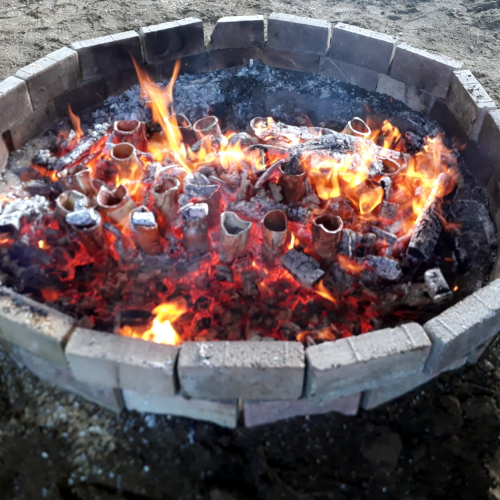
La ceramica affrontata a meta tra primitivo e contemporaneità per indagare nuovi stadi della postmodernità dove non è solo l'opera al centro ma sopratutto il modo con cui la si ottiene. Applicheremo terre sigillate per ottenere superfici lucide da sola argilla senza levigatura e cristalline inattese in questa tecnica.
Arriveranno, dopo la seconda cottura a legna, lagune di nerofumo su fondi bianchi, lustri di rosso rame in riduzione e cavilli anneriti a zona.
Il corso di 14 ore inizia alle ore 9.00 e termina alle ore 17:00 del sabato e inizia alle ore 9:00 e termina alle ore 16.00 della domenica.
Compreso nel corso:
14 ore di docenza | i materiali necessari allo svolgimento del corso | le cotture | nr. 2 pasti brunch (colazione e pranzo) | una scatola omaggio (con campionatura dei materiali utilizzati durante il corso)
Docente: Giovanni Cimatti
Scarica il programma in formato pdf
To confirm your inscription you have to make a bank transfer of a deposit or the total
amount.

Prehistoric firings
Per chi ama i modi naturali e vede nella ceramica le varietà espressive che questi possono dare. Porterete tre forme essiccate (non cotte) di misura massima singola cm 20 (altezza) x 10 x 10 a spessore max mm7 realizzate in argille bianche da Raku. Le superfici delle forme potranno essere levigate a pressione ma non ingobbiate. Faremo esperienza di applicazione di argille su argille, di smalti in monocottura e di fiammature con cottura a legna che con la sua casualità ci mostrerà giochi infiniti di trasparenze, neri e lustri.
Programma: applicazione sulle vostre forme secche di ingobbi del genere Terra Sigillata, sali metallici, vernici e smalti – cottura notturna a biscotto – allestimento del fuoco e inserimento delle forme – cottura a legna – estrazione delle forme a mezza e fine cottura – lezioni di tecnologia a domanda.
Le forme saranno realizzate seguendo le indicazioni del docente, saranno cotte e consegnate entro i tempi del corso stesso.
Il corso di 14 ore inizia alle ore 9.00 del sabato e termina alle ore 16.00 della domenica.
Docente: Maestro Giovanni Cimatti

Ceramic maze: the clays
la scelta, le superfici e la cottura delle terre
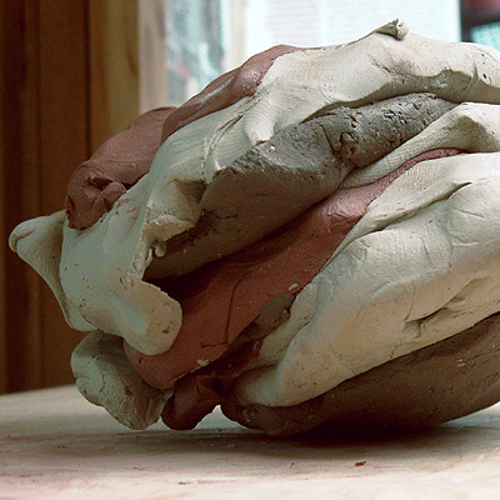
Fare ceramica è una delle arti più affascinanti, ma occorre avere ben chiare alcune regole e metodologie perchè l’autodidattica è un approccio possibile, ma si può perdere tempo e danaro.
La scelta del tipo di argilla da impiegare nella produzione delle forme è di basilareimportanza e da questa dipendono tutte le altre come la foggiatura, gli smalti e la temperatura ottimale di cottura. Si può scegliere a monte quale metodologia impiegare, ma questo non toglie che la conoscenza delle argille e quindi il loro carattere è assolutamente fondamentale.
Durante il corso avrete l’opportunità di toccare una vasta gamma di argille da cui poter far discendere le vostre scelte future. Il corso si limita quindi alla produzione in libertà di esperienze costruttive, tattili e di cottura sempre sotto la guida del docente.
PROGRAMMA: esercizi personali con vari tipi di argilla con e senza inerti sia per bassa che alta temperatura a colombino, lastra e a stampo – finiture possibili durante le varie fasi di asciugatura – ritiri e plasticità – la deformazione delle forme e il suo controllo – Cottura di alcune esperienze a bassa ad alta temperatura. Lezioni di tecnologia ceramica -dimostrazione di foggiatura a colaggio.
Le forme saranno realizzate seguendo le indicazioni del docente, saranno cotte e consegnate entro i tempi del corso stesso.
Il corso di 14 ore inizia alle ore 9.00 del sabato e termina alle ore 16.00 della domenica.
Docente: Maestro Giovanni Cimatti
Discovering Porcelain
Basic Course of slip and body porcelain and its transparency
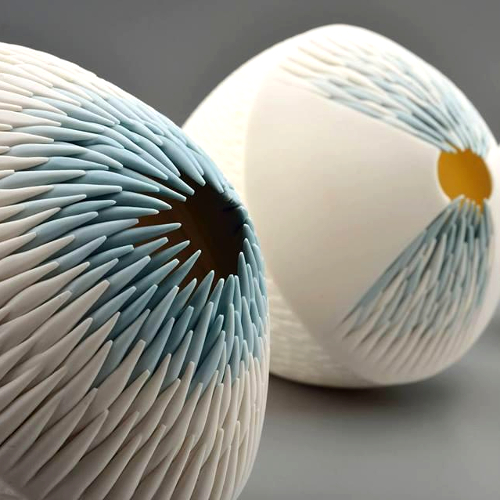
PORCELAIN is a material that requires a prolonged, precise and very accurate processing to obtain pieces of exquisite beauty. The different techniques faced with this material allow us to highlight two important qualities, TRANSPARENCY and SMOTHY to the touch.
This course allows you to develop simple basic techniques, all tricks to avoid cracks, breakages, deformations, the secrets to recover a broken piece, the knowledge of the correct drying and the different firing curves.
We would use body and slip porcelain with and without the use of single and double-fired molds. The purpose is to ENHANCE CREATIVITY WITH THE RIGHT KNOWLEDGE OF ALL RESOURCES IN THE FIELD OF PORCELAIN AND ITS QUALITY OF TRANSPARENCY AND WITHOUT GOING CRAZY!
Program:
- Fully practical lessons with a theoretical chapter for basic technology:
- Preparation of the slip and body porcelain recipe and percentages.
- Slip casting porcelain methods with and without molds
- Methods of achieving transparency
- Method of constructions with slabs or small fragments
- Precautions in drying, firing and finishing
- How to obtain smooth surfaces
- How to glaze with simple means
- How to recover broken or craked pieces
- Firing curves and how to place fragile pieces in the kiln, use of alumina
- Corrections after biscuit and finishing after last firing
The 20-hour workshop lasts from 9.00 to 17.00 on Friday and Saturday and from 9.00 to 16.00 on Sunday.
Teacher: Martha Pachon
Download the application form in pdf
Download the program in pdf

Jewelry in porcelain, Jasper technique
The suggestive technique of Jasper has an important role in the creative processes for those who want to produce objects that are pleasant to the touch, and with a beautiful and vibrant for the perception of color. A complex technique that requires only accuracy in the process and the desire to create designs using color. To make the most of the potential of this technique, the students will perform different exercises to get to know their fragility, strength and refinement applied to the jewels. The whole process and derivations can be applied beyond, in furnishing objects, sculptures, small series of utilitarian or decorative objects.
Progam:
- Totally practical lessons with a theoretical chapter dedicated to the artists who used ceramics to create jewels.
- Preparation of colored slip and body porcelain, recipe and percentages.
Creation of organic, geometric or abstract motifs directly on the body porcelain through:
- Jasper decomposition methods.
- Methods of construction with small tiles, use of colored slip.
- How to apply on jewelry molds avoiding cracks and deformations.
- Finishing and corrections after biscuit firing.
- Methods of positioning of the pieces for high firing. Special features to avoid deformation and breakage.
- Finishing and corrections after last firing.
- Design for jewelry composition.
Teacher: Martha Pachon
Download the application form in pdf
Download the program in pdf


Full immersion in color
From Jasper to Nerikomi in porcelain in two days
One of the finest qualities of porcelain is its sensuality to the touch, plus the surface can be enriched with vibrant colors or sharp contrasts of black and white. There are ancient and complex techniques of the "Neriage"family which, in a modern way, allow you to express yourself through many aesthetic solutions, from a jewel, avessel, a sculpture, an object, or a complex installation. It will be the very intense and rich post-Argillà course,among the techniques dealt with: the Jasper, the Rainbow or Scala, the Zebra, the Nerikomi and the Mosaico with composite tiles.
PROGRAMMA:
- Preparation of colored porcelain bodies, recipes and percentages and how to avoid the melting or deforming
pieces.
- Use of color both into the body and slip porcelain, tricks.
- Preparation of shapes, cuts, joints, lines, drawings and compositions for all possible ancient Asian techniques
revisited in contemporary way with modern and practical use.
- Agate, Jasper, Mishima, Mosaic, Rainbow, Scala, Zebra and Nerikomi techniques.
- Cleaning and tricks to avoid color contamination, air bubbles, deformations or cracks.
- Preparation of colored slip porcelain and use.
- Conformations with net black and white avoiding contaminations of one color with another.
- With the use of the mold and without, application of the techniques learned.
- How to install the colored pieces inside the kiln avoiding the attachment of the pieces or accidents.
- Types of firing, low and high, firing curves for pieces built by colored mix techniques.
- Finishes and corrections before firing, after first firing and even after the last high temperature firing.
- Recipes and possibility of restoration of broken pieces.
Teacher: Martha Pachon
Languages: English, Italian, French, Spanish
Download the application form in pdf
Download the program in pdf