
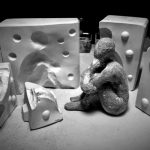
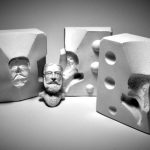

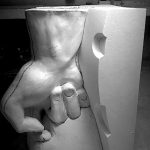
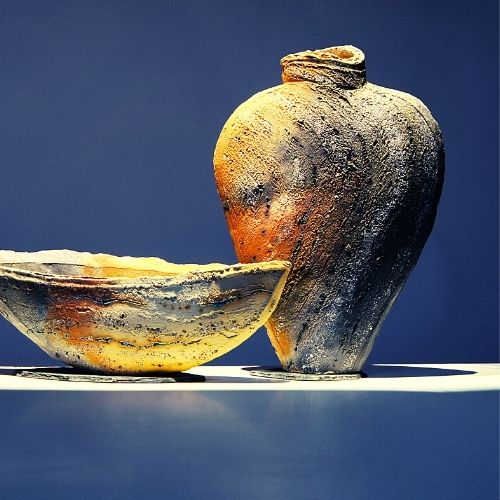
MAKING MOLDS FOR CERAMICS | Paolo Iori
07-08-09-10-11 October 2020
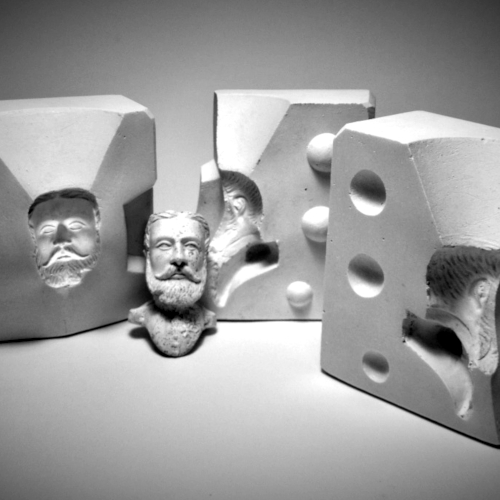
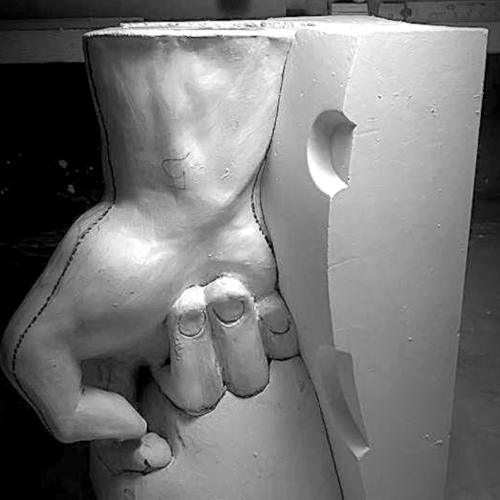
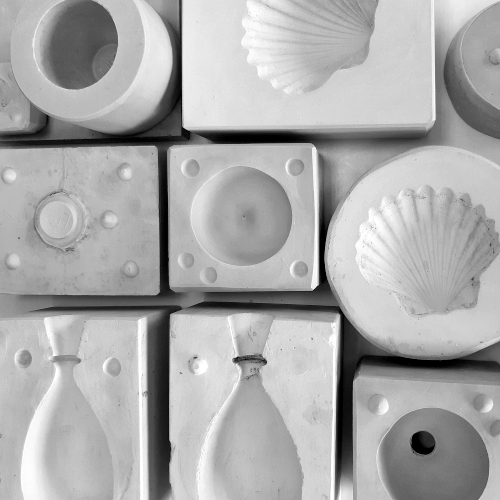
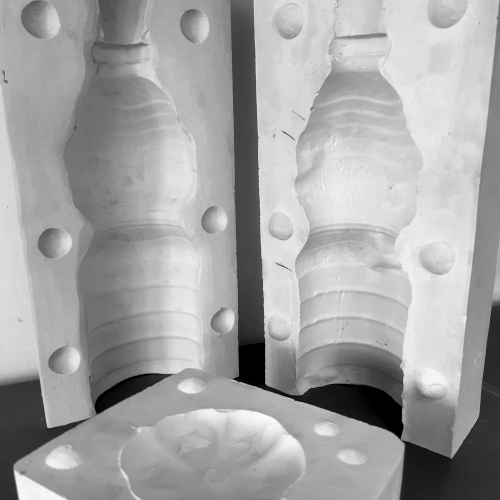
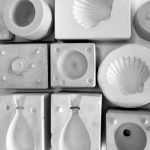
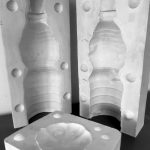
To reproduce a shape for large or small productions, but also to create unique objects starting from a mold for collecting or to print by hand, simplifying the manufacturing processes; is the dream of many potters.
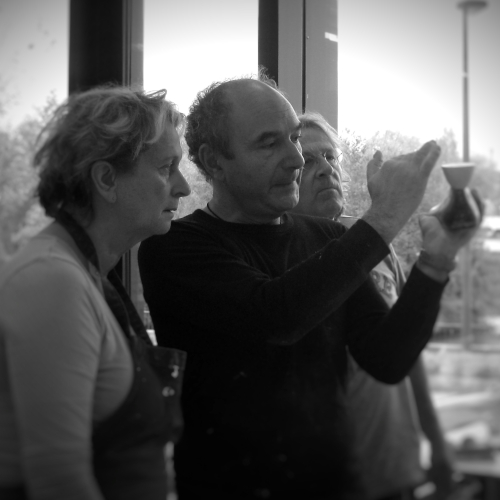
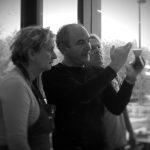
The artist and teacher Paolo Iori will present in an effective, simple and creative form a program for the production of multi-part molds for casting and pressure molding. It will appear from the idea and from a personal project to develop a model that will be analyzed in order to later realize the own mold.
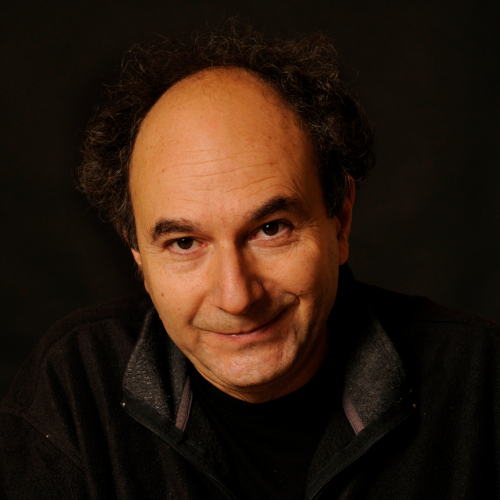
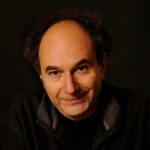
Paolo Iori
Paolo Iori was trained in Sesto Fiorentino with the masters Bruschi and Gigli, who gave them the opportunity to learn precise and elaborate forming techniques, for the manufacture of plaster models and molds. In parallel Iori develops his personal artistic path, which began in London and continued with exhibitions in Japan, Belgium and Italy. He currently works in Belgium and works with artists, art schools for training courses, and designers for creating prototypes on very specific projects. Among them, the “École supérieur des arts visuels” of the Cambre in Brussels, the Academie Royale des beaux arts in Brussels, and the “Center culturelle” in Andenne, “Keramis” at the Louviere.
The 35-hour workshop lasts from 9.00 to 17.00 on Wednesday, Thursday, Friday and Saturday and from 9.00 to 16.00 on Sunday.
Included in the Workshop cost:
35 hours of teaching | all the necessary materials | firings | nr. 5 brunch lunch | a box with the samples of the materials used during the workshop
Teacher: Paolo Iori
Translator and assistant: Martha Pachon
Languages: English, Italian, French, Spanish
Download the CV of Paolo Iori
Download the full program in pdf
To confirm your inscription you have to make a bank transfer of a deposit or the total amount.
Richiesta informazioni
Related products

Prehistoric firings
Per chi ama i modi naturali e vede nella ceramica le varietà espressive che questi possono dare. Porterete tre forme essiccate (non cotte) di misura massima singola cm 20 (altezza) x 10 x 10 a spessore max mm7 realizzate in argille bianche da Raku. Le superfici delle forme potranno essere levigate a pressione ma non ingobbiate. Faremo esperienza di applicazione di argille su argille, di smalti in monocottura e di fiammature con cottura a legna che con la sua casualità ci mostrerà giochi infiniti di trasparenze, neri e lustri.
Programma: applicazione sulle vostre forme secche di ingobbi del genere Terra Sigillata, sali metallici, vernici e smalti – cottura notturna a biscotto – allestimento del fuoco e inserimento delle forme – cottura a legna – estrazione delle forme a mezza e fine cottura – lezioni di tecnologia a domanda.
Le forme saranno realizzate seguendo le indicazioni del docente, saranno cotte e consegnate entro i tempi del corso stesso. Il corso di 14 ore inizia alle ore 9.00 del sabato e termina alle ore 16.00 della domenica. Docente: Maestro Giovanni Cimatti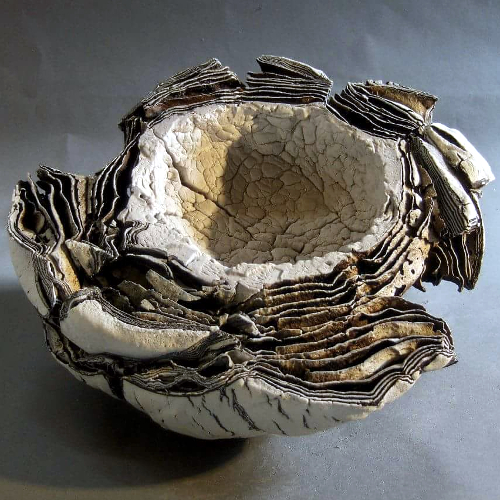
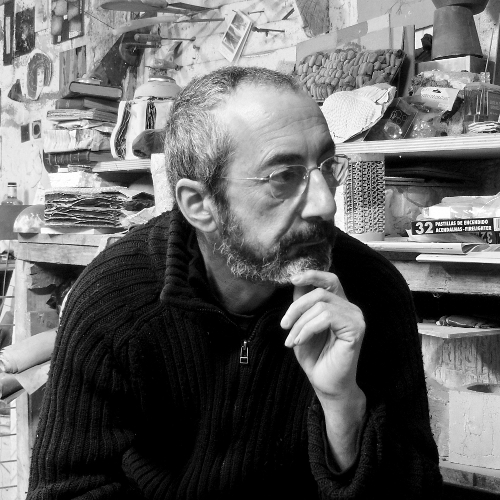
Volcanic landscapes with Rafa Peréz
The use of shoot high temperatures with conventional clays in contrast with porcelain, surprising effects for results between the predictable and the unpredictable. Rafa Pérez introduces us to his methods that have made him famous in the field of contemporary ceramic sculpture.
PROGRAM: - Fully practical lessons. - Use of different techniques to obtain a wide range of results. - Use of blocks with different types of clays at the same time. - Alternative chemical treatments to the techniques. - Production of pieces, firing, evaluation and reproduction of new pieces. The 20-hour workshop lasts from 9.00 to 17.00 on Friday and Saturday and from 9.00 to 16.00 on Sunday. Teacher: Rafa Pérez Translator and Assistant: Martha Pachon Languages: English, Italian, French, Spanish Download the application form in pdf Download the full program in pdf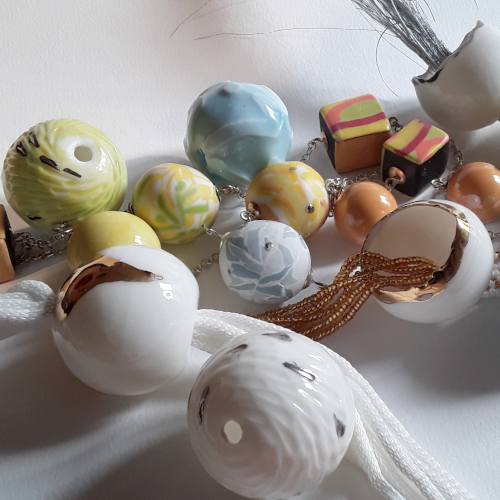
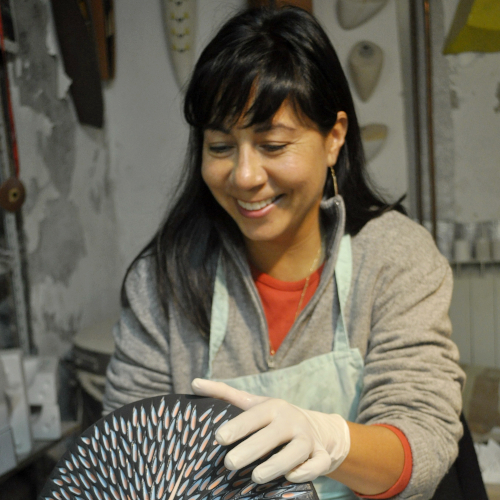
THE PEARL, FROM THE BEGINNING TO THE END | Martha Pachon
A complex and complete course to make the artist independent of creating large and small series of pearls for jewelery in various shapes, sizes and decorations. Making of molds, testing of slip and body porcelain, firing and decoration. The italian mold expert Florio Bedeschi, will be in charge of the first part of the course for the execution of complex but practical molds for pearls of different shapes and sizes.
A second part related to the use of the mold with the slip and body porcelain, how to firing and diferent kinds of decoration, will be with Martha Pachón Rodríguez.
The 20-hour workshop lasts from 9.00 to 17.00 on Friday and Saturday and from 9.00 to 16.00 on Sunday.
Included in the Workshop cost: 20 hours of teaching | all the necessary materials | firings | nr. 3 brunch lunch | a box with the samples of the materials used during the workshopTeachers: Martha Pachon and Florio Bedeschi Languages: English, Italian, French, Spanish
Download the full program in pdf
To confirm your inscription you have to make a bank transfer of a deposit or the total amount.
LA SINTERRACOTTA | Giovanni Cimatti
Monocottura con gres a partire da 1050 gradi
Una buona ceramica si distingue non solo per come è rivestita e la sua intrinseca arte ma sopratutto per il suo corpo che è forte e compatto quando è realizzata in gres. Oggi è possibile utilizzare un innovativo gres bianco, anche senza raggiungere la faticosa e costosa alta temperatura, ed avere la sinterizzazione di questa argilla in tutti i tipi di forni per ceramica.
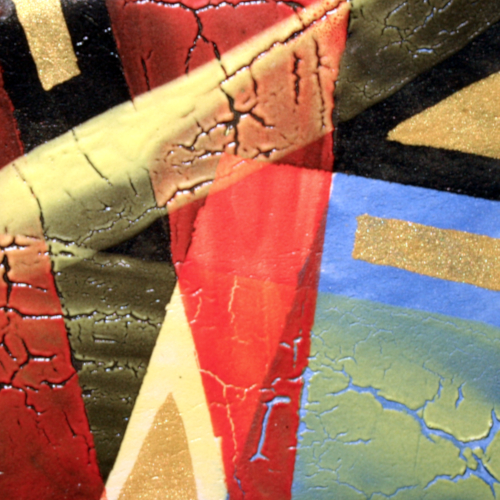
Durante il corso faremo anche esperienza di come sia possibile ridurre ulteriormente i costi facendo una cottura unica di argilla e smalti che viene infatti definita monocottura. Useremo un'argilla plastica che rende facile modellare qualsiasi tipo di forma e particolari medium per l'applicazione a pennello di rivestimenti che saranno campiti anche con l'impiego di maschere adesive. Sara possibile infine anche applicare, in seconda cottura a 900 gradi, un simpatico e innovativo smalto oro.
Il corso di 14 ore inizia alle ore 9.00 e termina alle ore 17:00 del sabato e inizia alle ore 9:00 e termina alle ore 16.00 della domenica.
Compreso nel corso:14 ore di docenza | i materiali necessari allo svolgimento del corso | le cotture | nr. 2 pasti brunch (colazione e pranzo) | una scatola omaggio (con campionatura dei materiali utilizzati durante il corso)
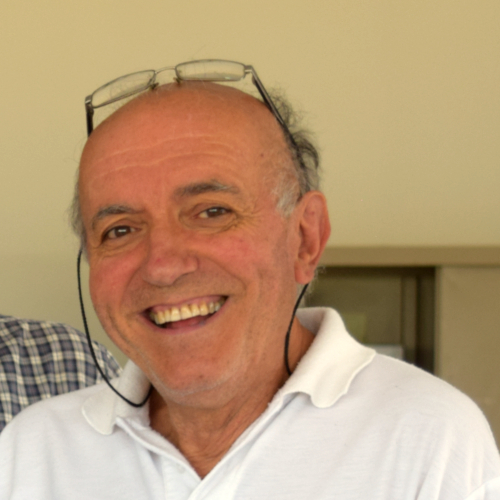
Docente: Giovanni Cimatti Scarica il programma in formato pdfTo confirm your inscription you have to make a bank transfer of a deposit or the total amount.

Ceramic maze: the clays
la scelta, le superfici e la cottura delle terre
Fare ceramica è una delle arti più affascinanti, ma occorre avere ben chiare alcune regole e metodologie perchè l’autodidattica è un approccio possibile, ma si può perdere tempo e danaro.
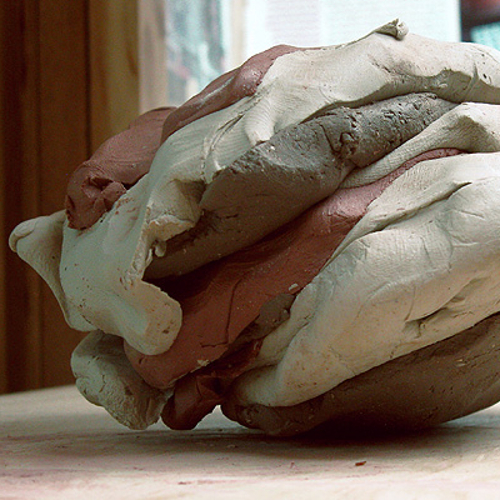
La scelta del tipo di argilla da impiegare nella produzione delle forme è di basilareimportanza e da questa dipendono tutte le altre come la foggiatura, gli smalti e la temperatura ottimale di cottura. Si può scegliere a monte quale metodologia impiegare, ma questo non toglie che la conoscenza delle argille e quindi il loro carattere è assolutamente fondamentale.
Durante il corso avrete l’opportunità di toccare una vasta gamma di argille da cui poter far discendere le vostre scelte future. Il corso si limita quindi alla produzione in libertà di esperienze costruttive, tattili e di cottura sempre sotto la guida del docente.
PROGRAMMA: esercizi personali con vari tipi di argilla con e senza inerti sia per bassa che alta temperatura a colombino, lastra e a stampo – finiture possibili durante le varie fasi di asciugatura – ritiri e plasticità – la deformazione delle forme e il suo controllo – Cottura di alcune esperienze a bassa ad alta temperatura. Lezioni di tecnologia ceramica -dimostrazione di foggiatura a colaggio.
Le forme saranno realizzate seguendo le indicazioni del docente, saranno cotte e consegnate entro i tempi del corso stesso. Il corso di 14 ore inizia alle ore 9.00 del sabato e termina alle ore 16.00 della domenica. Docente: Maestro Giovanni Cimatti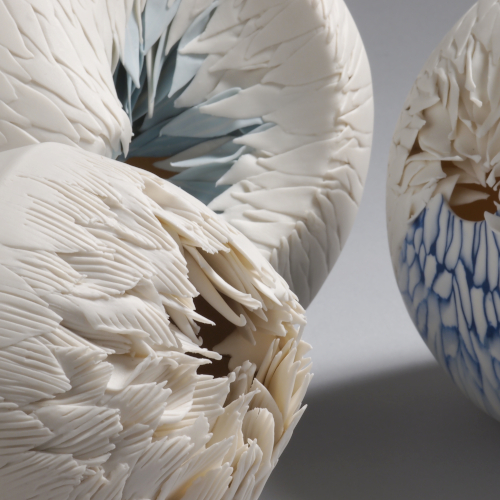
DYNAMIC PORCELAIN | Martha Pachon
Multitechnic Course of Body and Slip Porcelain
Inspired by the new developments of contemporary ceramics, both utilitarian and decorative, sculptural or any application that can be made of this precious material, this course is structured as a laboratory of "multiprocesses" to know and master the basic techniques of slip and body porcelain. Understanding porcelain in a practical, direct, easy and fast way will be the goal of this course. Participants will have at their disposal different techniques, some simple and other complex, with and without the use of molds, with the possibility of glazing also in single firing, with theoretical chapter dedicated in detail to all the questions regarding porcelain: drying, breakage, deformation, firing curves, etc.
THE PARTICIPANTS, BEYOND TO BRING HIS FINISHED WORKS TO HOME, WILL HAVE THE RIGHT KNOWLEDGE OF ALL THE RESOURCES IN THE FIELD OF THE PORCELAIN: ITS QUALITY OF TRANSPARENCY, RESISTANCE, REFINEMENT AND WITHOUT GOING CRAZY!
The 20-hour workshop lasts from 9.00 to 17.00 on Friday and Saturday and from 9.00 to 16.00 on Sunday.
Included in the Workshop cost: 20 hours of teaching | all the necessary materials | firings | nr. 3 brunch lunch | a box with the samples of the materials used during the workshopTeacher: Martha Pachon Languages: English, Italian, French, Spanish
Download the full program in pdfTo confirm your inscription you have to make a bank transfer of a deposit or the total amount.

Jewelry in porcelain, Jasper technique
The suggestive technique of Jasper has an important role in the creative processes for those who want to produce objects that are pleasant to the touch, and with a beautiful and vibrant for the perception of color. A complex technique that requires only accuracy in the process and the desire to create designs using color. To make the most of the potential of this technique, the students will perform different exercises to get to know their fragility, strength and refinement applied to the jewels. The whole process and derivations can be applied beyond, in furnishing objects, sculptures, small series of utilitarian or decorative objects.
Progam: - Totally practical lessons with a theoretical chapter dedicated to the artists who used ceramics to create jewels. - Preparation of colored slip and body porcelain, recipe and percentages. Creation of organic, geometric or abstract motifs directly on the body porcelain through: - Jasper decomposition methods. - Methods of construction with small tiles, use of colored slip. - How to apply on jewelry molds avoiding cracks and deformations. - Finishing and corrections after biscuit firing. - Methods of positioning of the pieces for high firing. Special features to avoid deformation and breakage. - Finishing and corrections after last firing. - Design for jewelry composition.Teacher: Martha Pachon
Download the application form in pdf Download the program in pdf
Discovering Porcelain 2
Basic Course of slip and body porcelain and its transparency
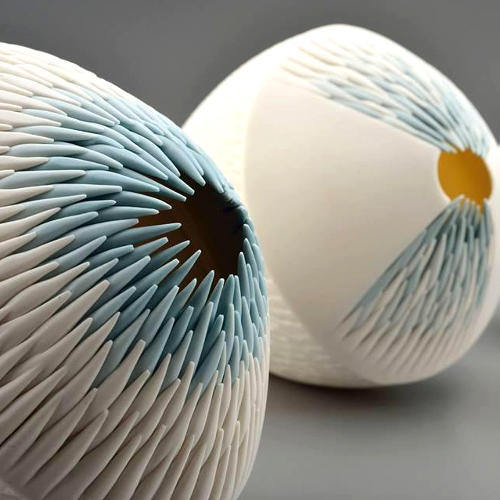
PORCELAIN is a material that requires a prolonged, precise and very accurate processing to obtain pieces of exquisite beauty. The different techniques faced with this material allow us to highlight two important qualities, TRANSPARENCY and SMOTHY to the touch.
This course allows you to develop simple basic techniques, all tricks to avoid cracks, breakages, deformations, the secrets to recover a broken piece, the knowledge of the correct drying and the different firing curves.
We would use body and slip porcelain with and without the use of single and double-fired molds. The purpose is to ENHANCE CREATIVITY WITH THE RIGHT KNOWLEDGE OF ALL RESOURCES IN THE FIELD OF PORCELAIN AND ITS QUALITY OF TRANSPARENCY AND WITHOUT GOING CRAZY!
Program: - Fully practical lessons with a theoretical chapter for basic technology: - Preparation of the slip and body porcelain recipe and percentages. - Slip casting porcelain methods with and without molds. - Methods of achieving transparency. - Method of constructions with slabs or small fragments. - Precautions in drying, firing and finishing. - How to obtain smooth surfaces. - How to glaze with simple means. - How to recover broken or craked pieces. - Firing curves and how to place fragile pieces in the kiln, use of alumina. - Corrections after biscuit and finishing after last firing. The 20-hour workshop lasts from 9.00 to 17.00 on Friday and Saturday and from 9.00 to 16.00 on Sunday. Teacher: Martha Pachon Languages: English, Italian, French, Spanish Download the application form in pdf Download the program in pdf