

CREATIVE MONOTYPE AND CALCOGRAPHY FOR CERAMICS | Rachèle Rivière
15-16-17 October 2021
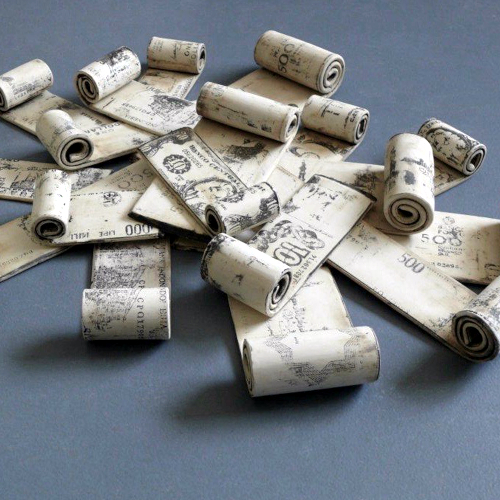
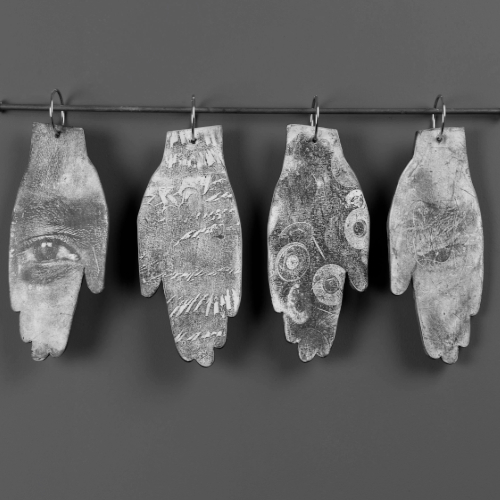
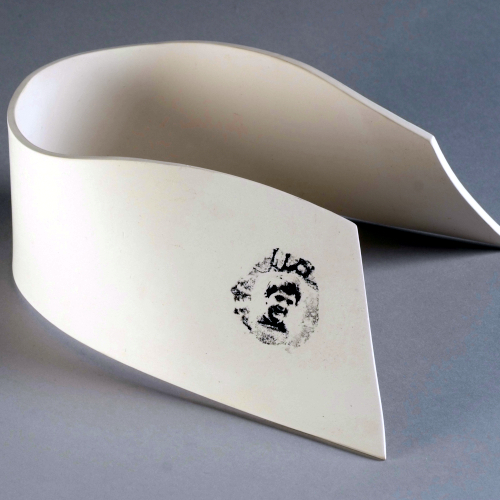
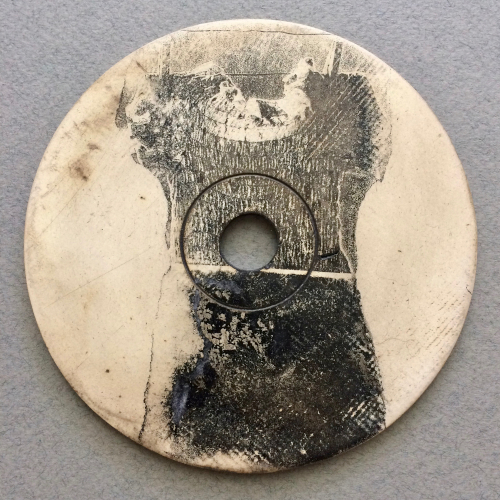
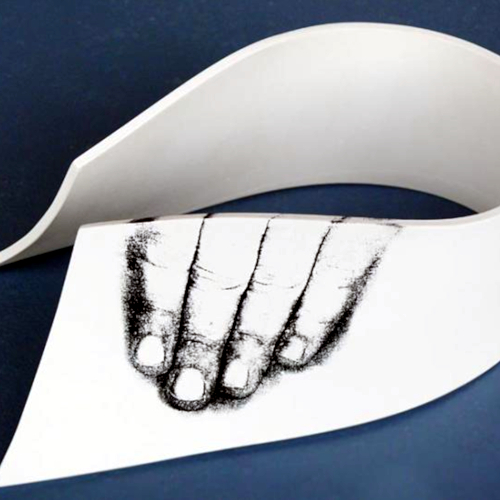
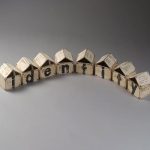
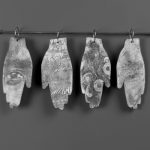
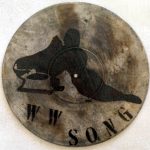
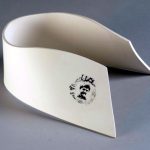
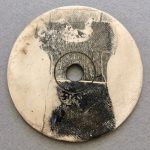
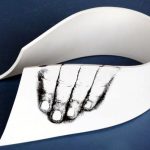
This course offers an audience, already in possession of ceramic knowledge, to bring a creative graphic dimension to its pieces. Understanding the direct and indirect printing process will be the main objective. During these 3 days the techniques tackled will be the Monotypes and monochromatic decorations with coloured engobes and metal oxides, Reliefs and Chalcographic prints through linoleum and rhodoids, and the Transfer of photographs with arabic glue.
For each of the techniques discussed, there will be a demonstration accompanied by a theoretical chapter. At the end of this course, everyone will be able to bring their own graphic creativity to the clay uses in their studio, with inexpensive tools using little space. A theoretical print support with recipes and bibliography will be given to each participant.
Rachèle Rivière
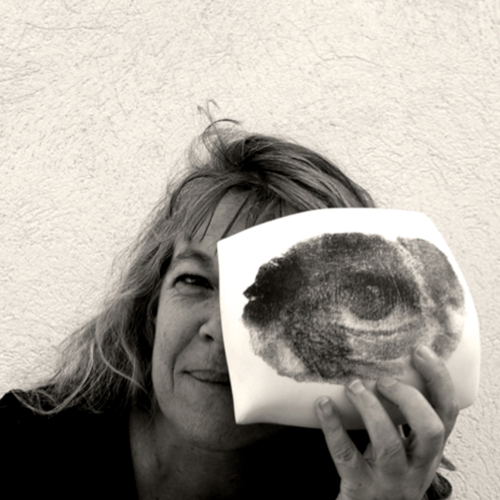
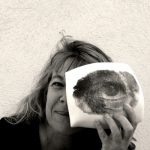
Lives and works in the south of France. Ceramist & visual artist Internationally renowned , since 2002 she has been conducting a plastic research centered on memory. Known for her work on ceramic prints, she uses processes from the fields of engraving and photography to develop sculptures, installations or artists books. She has been selected and awarded in many international ceramic biennales.
The 20-hour workshop lasts from 9.00 to 17.00 on Friday and Saturday and from 9.00 to 16.00 on Sunday.
Included in the Workshop cost:
20 hours of teaching | all the necessary materials | firings | nr. 3 brunch lunch | a box with the samples of the materials used during the workshop
Teacher: Rachèle Rivière
Translator and assistant: Martha Pachon
Languages: English, Italian, French, Spanish
Download the full program in pdf
To confirm your inscription you have to make a bank transfer of a deposit or the total amount.
Richiesta informazioni
Related products
DYNAMIC PORCELAIN | Martha Pachon
Multitechnic Course of Body and Slip Porcelain
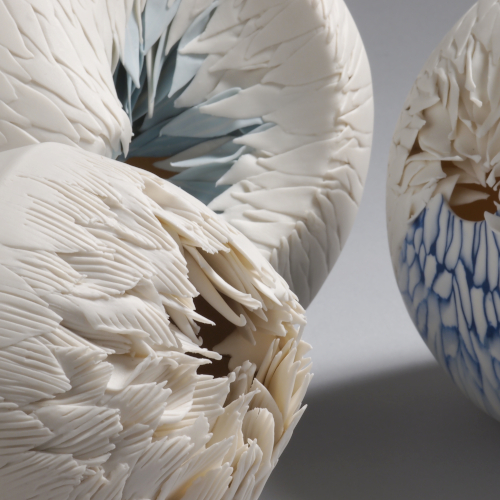
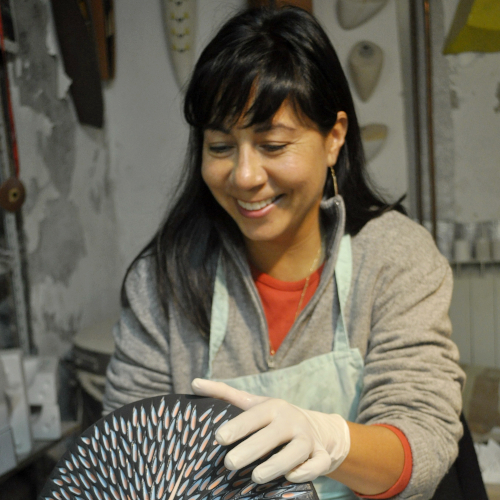
Inspired by the new developments of contemporary ceramics, both utilitarian and decorative, sculptural or any application that can be made of this precious material, this course is structured as a laboratory of "multiprocesses" to know and master the basic techniques of slip and body porcelain. Understanding porcelain in a practical, direct, easy and fast way will be the goal of this course. Participants will have at their disposal different techniques, some simple and other complex, with and without the use of molds, with the possibility of glazing also in single firing, with theoretical chapter dedicated in detail to all the questions regarding porcelain: drying, breakage, deformation, firing curves, etc.
THE PARTICIPANTS, BEYOND TO BRING HIS FINISHED WORKS TO HOME, WILL HAVE THE RIGHT KNOWLEDGE OF ALL THE RESOURCES IN THE FIELD OF THE PORCELAIN: ITS QUALITY OF TRANSPARENCY, RESISTANCE, REFINEMENT AND WITHOUT GOING CRAZY!The 20-hour workshop lasts from 9.00 to 17.00 on Friday and Saturday and from 9.00 to 16.00 on Sunday.
Included in the Workshop cost: 20 hours of teaching | all the necessary materials | firings | nr. 3 brunch lunch | a box with the samples of the materials used during the workshopTeacher: Martha Pachon Languages: English, Italian, French, Spanish
Download the full program in pdf
To confirm your inscription you have to make a bank transfer of a deposit or the total amount.
PIT FIRE | Giovanni Cimatti
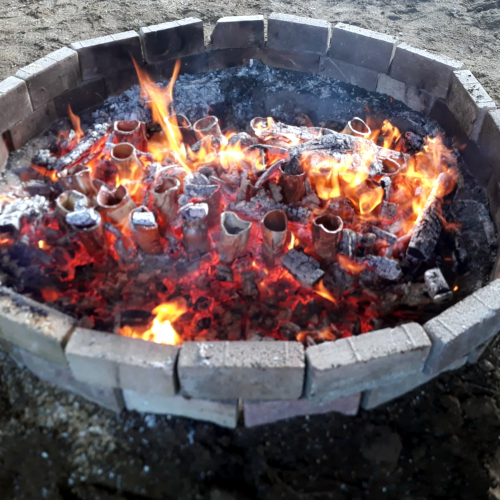
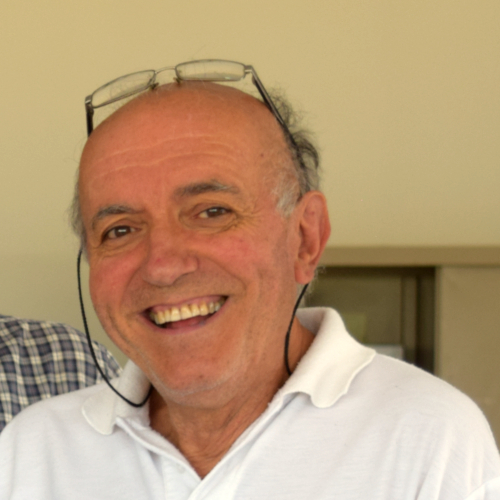
La ceramica affrontata a meta tra primitivo e contemporaneità per indagare nuovi stadi della postmodernità dove non è solo l'opera al centro ma sopratutto il modo con cui la si ottiene. Applicheremo terre sigillate per ottenere superfici lucide da sola argilla senza levigatura e cristalline inattese in questa tecnica.
Arriveranno, dopo la seconda cottura a legna, lagune di nerofumo su fondi bianchi, lustri di rosso rame in riduzione e cavilli anneriti a zona.
Il corso di 14 ore inizia alle ore 9.00 e termina alle ore 17:00 del sabato e inizia alle ore 9:00 e termina alle ore 16.00 della domenica.
Compreso nel corso:14 ore di docenza | i materiali necessari allo svolgimento del corso | le cotture | nr. 2 pasti brunch (colazione e pranzo) | una scatola omaggio (con campionatura dei materiali utilizzati durante il corso)
Docente: Giovanni Cimatti Scarica il programma in formato pdfTo confirm your inscription you have to make a bank transfer of a deposit or the total amount.
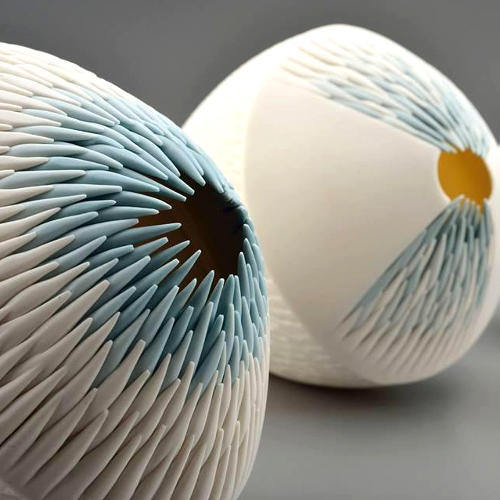
Discovering Porcelain 2
Basic Course of slip and body porcelain and its transparency
PORCELAIN is a material that requires a prolonged, precise and very accurate processing to obtain pieces of exquisite beauty. The different techniques faced with this material allow us to highlight two important qualities, TRANSPARENCY and SMOTHY to the touch.
This course allows you to develop simple basic techniques, all tricks to avoid cracks, breakages, deformations, the secrets to recover a broken piece, the knowledge of the correct drying and the different firing curves.
We would use body and slip porcelain with and without the use of single and double-fired molds. The purpose is to ENHANCE CREATIVITY WITH THE RIGHT KNOWLEDGE OF ALL RESOURCES IN THE FIELD OF PORCELAIN AND ITS QUALITY OF TRANSPARENCY AND WITHOUT GOING CRAZY!
Program: - Fully practical lessons with a theoretical chapter for basic technology: - Preparation of the slip and body porcelain recipe and percentages. - Slip casting porcelain methods with and without molds. - Methods of achieving transparency. - Method of constructions with slabs or small fragments. - Precautions in drying, firing and finishing. - How to obtain smooth surfaces. - How to glaze with simple means. - How to recover broken or craked pieces. - Firing curves and how to place fragile pieces in the kiln, use of alumina. - Corrections after biscuit and finishing after last firing. The 20-hour workshop lasts from 9.00 to 17.00 on Friday and Saturday and from 9.00 to 16.00 on Sunday. Teacher: Martha Pachon Languages: English, Italian, French, Spanish Download the application form in pdf Download the program in pdf
Discovering Porcelain
Basic Course of slip and body porcelain and its transparency
PORCELAIN is a material that requires a prolonged, precise and very accurate processing to obtain pieces of exquisite beauty. The different techniques faced with this material allow us to highlight two important qualities, TRANSPARENCY and SMOTHY to the touch.
This course allows you to develop simple basic techniques, all tricks to avoid cracks, breakages, deformations, the secrets to recover a broken piece, the knowledge of the correct drying and the different firing curves.
We would use body and slip porcelain with and without the use of single and double-fired molds. The purpose is to ENHANCE CREATIVITY WITH THE RIGHT KNOWLEDGE OF ALL RESOURCES IN THE FIELD OF PORCELAIN AND ITS QUALITY OF TRANSPARENCY AND WITHOUT GOING CRAZY!
Program: - Fully practical lessons with a theoretical chapter for basic technology: - Preparation of the slip and body porcelain recipe and percentages. - Slip casting porcelain methods with and without molds - Methods of achieving transparency - Method of constructions with slabs or small fragments - Precautions in drying, firing and finishing - How to obtain smooth surfaces - How to glaze with simple means - How to recover broken or craked pieces - Firing curves and how to place fragile pieces in the kiln, use of alumina - Corrections after biscuit and finishing after last firing The 20-hour workshop lasts from 9.00 to 17.00 on Friday and Saturday and from 9.00 to 16.00 on Sunday. Teacher: Martha Pachon Download the application form in pdf Download the program in pdf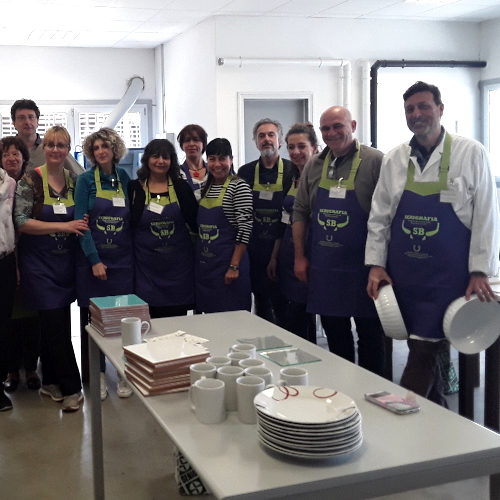
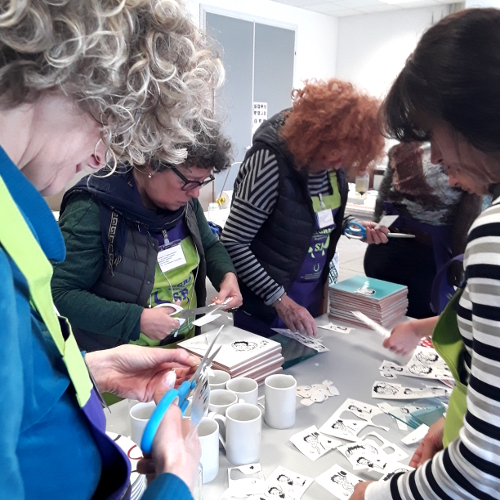
Silk-screen printing Workshop
Questo corso ha lo scopo di fornire le conoscenze necessarie per creare le proprie decalcomanie vetrificabili e stamparle su diversi supporti ceramici o vetrosi. Inoltre attraverso la stampa grafica su ceramica, il corsista sarà introdotto a un campo poco esplorato, il vincolo dell’immagine ceramica con la lettura virtuale incorporando i codici QR. Questi codici offrono l’opportunità di reindirizzare la ceramica sul concetto di un progetto web (un blog, una pagina, una libreria virtuale, un videogioco, ecc.)Il corsista sarà introdotto nella pratica della elaborazione di una matrice, l’incisione in seta, la pulizia e il recupero dei telai, l’applicazione delle decalcomanie, l’uso di diversi supporti, la preparazione degli smalti e delle cotture. Sarà inoltre in grado di installare il proprio laboratorio di serigrafia con i più bassi costi possibili di attrezzature e risparmio dello spazio.
BIOGRAFIA SILVIA BARRIOSArtista e ricercatrice nata in Argentina. Si è specializzata nel campo dei nuovi media e delle tecnologie interattive applicate sulle arti del fuoco.Il suo tema di interesse attuale la “Ceramica Intelligente” deriva degli incontri fra la Serigrafia Ceramica e i processi creativi dei multimedia incentrati sulla bio-arte, l’elettronica, l’intelligenza artificiale e le arti digitali unitamente alle culture popolari sudamericane.Silvia Barrios è stata invitata con i suoi laboratori e istallazioni alla Biennale della Havana, la Biennale di SaoPaulo, e la Biennale di Mercosur, Buenos Aires. Ha realizzato diversi progetti internazionali, e ha esposto indiversi nazioni, fra loro, Cina, Italia, Spagna, Portogallo, Cuba, Argentina, Colombia, Ecuador e Perù.
Programma: Lezioni pratiche e teoriche finalizzate allo sviluppo della impressione di una immagine fotografica su un sopporto ceramico terroso o vitreo, crudo, biscottato o smaltato e anche sul vetro. Elaborazione della matrice, trattamento della seta per l’incisione. Pulizia e recupero dei telai. Applicazione delle decalcomanie. Uso dei diversi supporti: terracotta, terraglia, gres, porcellana, vetro. Preparazione degli smalti per serigrafia. Cotture a diversi ambienti. Come istallare il proprio laboratorio di serigrafia. Introduzione del codice QR alla serigrafia. Conferenza audiovisiva – Riassunto del processo per consolidare le conoscenze – Test e valutazione dei risultati Riflessioni sulla introduzione dei codici multi mediatici e la progettazione sul campo della ceramica contemporanea – Panorama dei progetti innovatori della ceramica nel campo della elettronica, intelligenza artificiale, bioscienza e robotica. Conclusioni con una mostra di un progetto artistico di gruppo dei corsisti.
Le forme saranno realizzate seguendo le indicazioni del docente, saranno cotte e consegnate entro i tempi del corso stesso. Il corso di 20 ore dura dalle ore 9.00 alle ore 17:00 del venerdì, dalle 9.00 alle ore 17:00 del sabato e dalle ore 9:00 alle ore 16.00 della domenica. Docente: Silvia Barrios
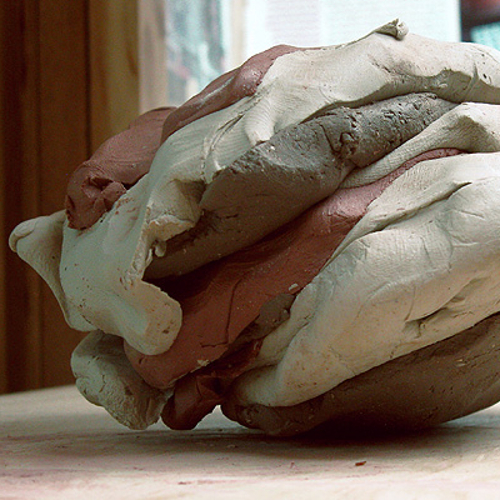
Ceramic maze: the clays
la scelta, le superfici e la cottura delle terre
Fare ceramica è una delle arti più affascinanti, ma occorre avere ben chiare alcune regole e metodologie perchè l’autodidattica è un approccio possibile, ma si può perdere tempo e danaro.
La scelta del tipo di argilla da impiegare nella produzione delle forme è di basilareimportanza e da questa dipendono tutte le altre come la foggiatura, gli smalti e la temperatura ottimale di cottura. Si può scegliere a monte quale metodologia impiegare, ma questo non toglie che la conoscenza delle argille e quindi il loro carattere è assolutamente fondamentale.
Durante il corso avrete l’opportunità di toccare una vasta gamma di argille da cui poter far discendere le vostre scelte future. Il corso si limita quindi alla produzione in libertà di esperienze costruttive, tattili e di cottura sempre sotto la guida del docente.
PROGRAMMA: esercizi personali con vari tipi di argilla con e senza inerti sia per bassa che alta temperatura a colombino, lastra e a stampo – finiture possibili durante le varie fasi di asciugatura – ritiri e plasticità – la deformazione delle forme e il suo controllo – Cottura di alcune esperienze a bassa ad alta temperatura. Lezioni di tecnologia ceramica -dimostrazione di foggiatura a colaggio.
Le forme saranno realizzate seguendo le indicazioni del docente, saranno cotte e consegnate entro i tempi del corso stesso. Il corso di 14 ore inizia alle ore 9.00 del sabato e termina alle ore 16.00 della domenica. Docente: Maestro Giovanni Cimatti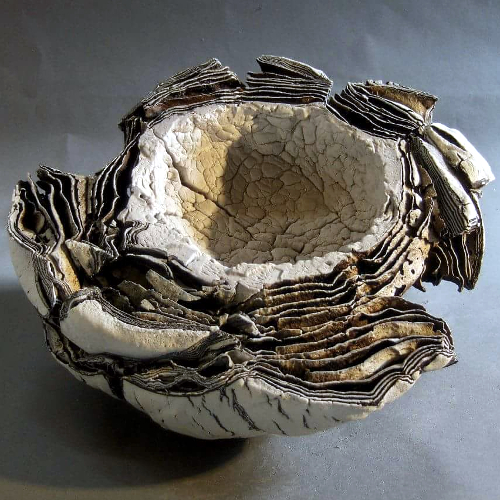
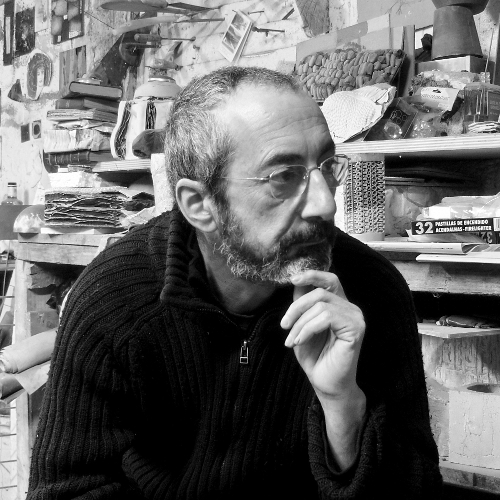
Volcanic landscapes with Rafa Peréz
The use of shoot high temperatures with conventional clays in contrast with porcelain, surprising effects for results between the predictable and the unpredictable. Rafa Pérez introduces us to his methods that have made him famous in the field of contemporary ceramic sculpture.
PROGRAM: - Fully practical lessons. - Use of different techniques to obtain a wide range of results. - Use of blocks with different types of clays at the same time. - Alternative chemical treatments to the techniques. - Production of pieces, firing, evaluation and reproduction of new pieces. The 20-hour workshop lasts from 9.00 to 17.00 on Tuesday and Wednesday and from 9.00 to 16.00 on Thursday. Teacher: Rafa Pérez Translator and Assistant: Martha Pachon Languages: English, Italian, French, Spanish Download the application form in pdf Download the full program in pdf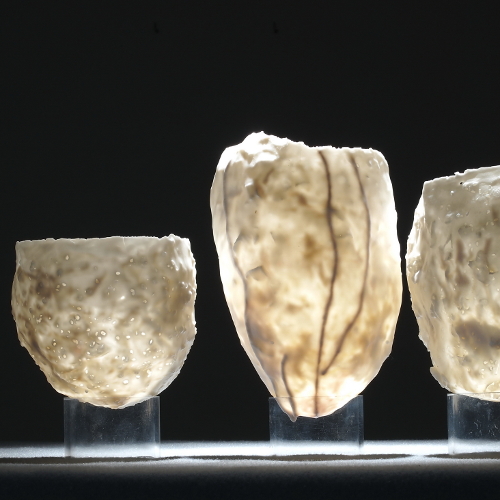
IMMEDIATE TRANSPARENCIES | Martha Pachon
Liquid porcelain without use of the mold and in sigle firing
Transparency is one of the most important qualities of porcelain and usually requires a prolonged, precise and very accurate processing to obtain a piece of fine beauty highlighted by the translucency of the light. This course allows you to develop two simple and immediate techniques that will facilitate and strengthen creativity to develop many projects without the use of large resources and experience in the field of porcelain.
We will use the slip porcelain without the use of molds and single-firing and the two techniques, one for objects with organic shapes and another for objects with geometric shapes and more precise.
The 14-hour workshop lasts from 9.00 to 17.00 on Saturday and from 9.00 to 16.00 on Sunday.
Included in the Workshop cost: 14 hours of teaching | all the necessary materials | firings | nr. 2 brunch lunch | a box with the samples of the materials used during the workshopTeacher: Martha Pachon Languages: English, Italian, French, Spanish
Download the full program in pdf
To confirm your inscription you have to make a bank transfer of a deposit or the total amount.