

BLACK CERAMIC, CLAY OF ETRURIA | Gabriele Tognoloni
22-23 June 2024
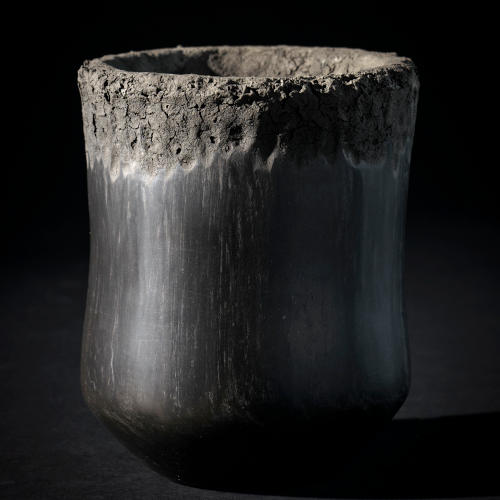
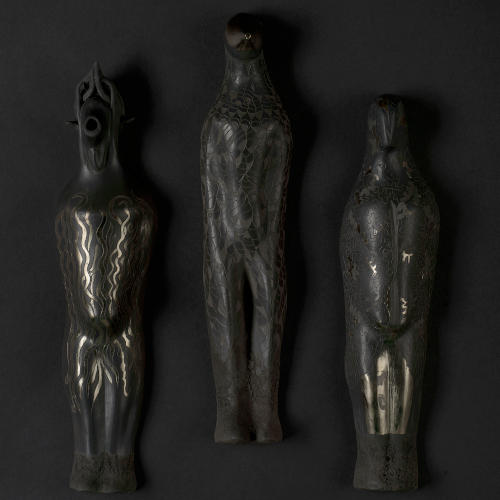
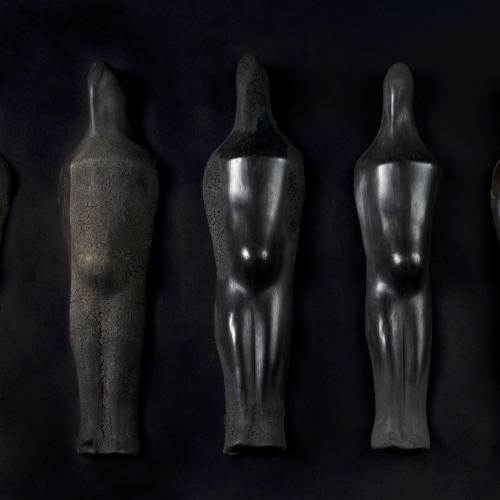
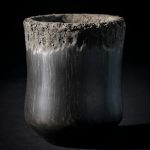
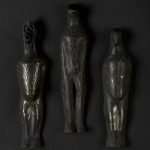
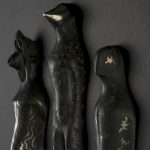
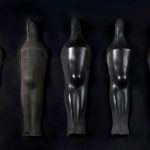
Bucchero is a type of fine and very light black ceramic produced by the Etruscans to make vases. The integral black monochrome is the most striking feature of this type of pottery and the colouring is achieved by a special firing process.
Bucchero was used in Etruria from the mid 7th century BC to the first half of the 5th century BC.
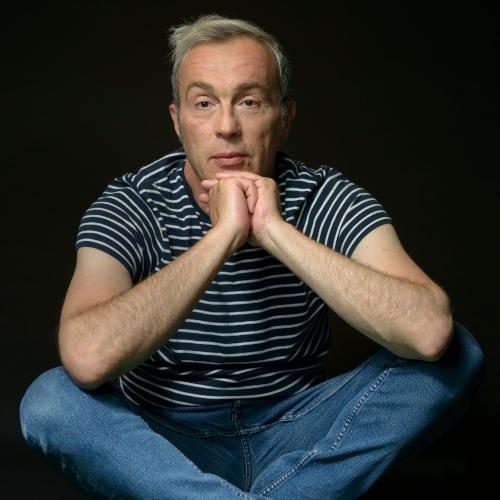
Gabriele Tognoloni
Born in Gubbio in 1973 and graduated in Sculpture from the ‘Pietro Vannucci’ Academy of Fine Arts. He leads Unico, in the city of Gubbio, an atelier and gallery where his artistic experience takes shape in ceramics that reveal not only their link with local artistic craft traditions and the genius loci, but also with the direct and indirect input received from some of the most important personalities of Italian and international visual research, reinterpreting these suggestions according to his own highly personal and immediately recognisable language. Many art critics have written about his work, including Italo Tomassoni, Aldo Iori and Antonio Carlo Ponti. Recent exhibitions include one-man shows at the Galleria “lalineaartecontemporanea” in Rome (2016) and at the Centro per l’Arte Contemporanea “La Rocca” in Umbertide (2020), the group show “origine/presente” at Atelier Schwab in Wertheim, Germany (2018), an artistic residency at Atelier A in Apricale (2018), the “Progetto Italia” in collaboration with the artist Alberto Gianfreda at Casa Testori in Milan (2021) and the “Grand tour Limonaia”.
The 14-hour course starts at 9 a.m. and ends at 5 p.m. on Saturday and starts at 9 a.m. and ends at 4 p.m. on Sunday.
Included in the course:
14 hours of teaching | the materials needed for the course | the firings | nr. 2 brunch meals (breakfast and lunch)
Teacher: Gabriele Tognoloni
Language: Italian and English
Scarica il programma in formato pdf
To confirm your order, you must pay the deposit or the full amount by following the procedure below.
Richiesta informazioni
Related products

Translucent porcelain
Immediate transparency workshop, slip porcelain without usa of mold and in a single-firing
Transparency is one of the most important qualities of porcelain and usually, requires a prolonged, precise and very accurate processing to obtain a fine beauty piece highlighted by the translucenty. This course allows you to develop two simple and immediate techniques that will facilitate and strengthen creativity to develop many projects without the use of large resources and experience in the field of porcelain techniques. We will use slip porcelain without the use of molds and with a single-firing.
PROGRAM: Totally practical lessons, preparation of the material and basic forms. Use of slip porcelain and construction with two totally different techniques. Surface treatment, controlled drying and finishing. Methods to avoid deformation and breakage during the process and all the special features of the specific firing for this technique. Recover broken complex variations of the techniques and the surface with the use of color introduced into the slip the porcelain. Production of pieces to project in small series for use or decoration. pieces or cracks with specific recipe. Finally, more co. The 14-hour workshop lasts from 9.00 to 17.00 on Saturday and from 9.00 to 16.00 on Sunday. Teacher: Martha Pachon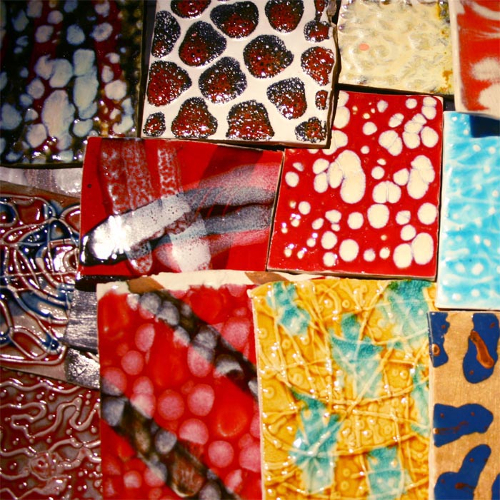

Ceramic maze: the glazes
i rivestimenti, l’applicazione facile, la decorazione e la cottura della ceramica
Il corso si prefigge di informare sui modi e le tecniche che sono alla base del processo ceramico per quanto riguarda la smaltatura e la decorazione a bassa temperatura.
Durante il corso saranno finite esperienze sui vari metodi di smaltatura ponendo particolare attenzione alla smaltatura a pennello con l’ausilio di particolari veicoli che ne consentono la migliore applicazione. Verranno presentate le cause alla base dei principali effetti ottenibili con i rivestimenti che saranno realizzate su supporti in argilla, già cotti, forniti dall’organizzazione: terracotta, terraglia tenera, terracotta di argilla da gres e semirefrattaria da Raku.
Sarà dato spazio anche al rapporto fondamentale degli smalti con i supporti e la loro preventiva miglior cottura a biscotto. Ed infine saranno affrontati anche i difetti che si riscontrano nella smaltatura e a questo proposito è possibile portare eventuali lavori personali finiti sulle cui problematiche sarà possibile svolgere una interessante lezione.
PROGRAMMA: esercizi personali di smaltatura: a pennello, ad aspersione, ad immersione – esercizi di decorazione con i colori sottovernice e i colori soprasmalto – smalti a rilievo – dimostrazione di smaltatura a spruzzo e a secco – Cottura delle prove – a domanda lezioni sulla chimica e tecnologia degli smalti.
Le forme saranno realizzate seguendo le indicazioni del docente, saranno cotte e consegnate entro i tempi del corso stesso. Il corso di 14 ore inizia alle ore 9.00 del sabato e termina alle ore 16.00 della domenica. Docente: Maestro Giovanni Cimatti Scarica il modulo di iscrizione in formato pdf Scarica il volantino in formato pdf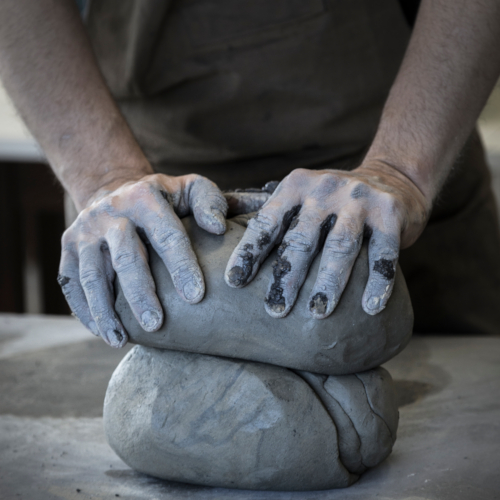
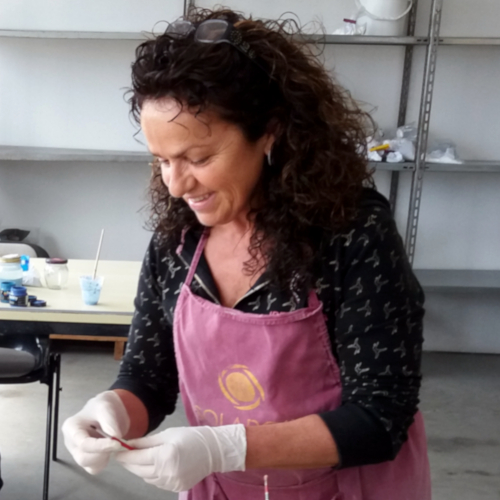
CERAMIC MAZE: THE CLAYS | Vilma Bosi
Imparare le tecniche di foggiatura e la cottura delle terre
Quando ci si avvicina al mondo della ceramica spesso si incontrano le prime difficoltà già nella fase di modellazione proprio per mancanza di competenze nelle tecniche di foggiatura dei manufatti. Gli impasti ceramici e le argille possono essere lavorati in diversi modi e in questo corso di base ci proponiamo di introdurvi ad alcune delle tecniche fondamentali come il colombino, la lastra, la stampatura e il colaggio.
La scelta del tipo di argilla da impiegare ed individuare la migliore tecnica di modellazione per la produzione delle forme sarà di basilare importanza per avere successo nel portare a termine i vostri progetti ed evitare perdite di tempo e di denaro.
Il corso non è finalizzato alla realizzazione di oggetti finiti ma si limita alla produzione in libertà di esperienze costruttive, tattili e di cottura sempre sotto la guida del docente.
14 ore di docenza | i materiali necessari allo svolgimento del corso | le cotture | nr. 2 pasti brunch (colazione e pranzo) | una scatola omaggio (con campionatura dei materiali utilizzati durante il corso)
Costo: 250.00€ Docente: Vilma Bosi Scarica il modulo d'iscrizione in formato pdf Scarica il programma in formato pdf
Jewelery in Porcelain
Corso di costruzione di gioielli con le tecniche antiche asiatiche multicolore fino alla sua presentazione finale. Sviluppo ed approfondimento delle tecniche della famiglia del “Neriage” e applicazione in un progetto definitivo per un gioiello. Metodi per preparare gli impasti colorati, processi delle tecniche con metodi di conformazione a stampo, essiccamento, cotture, correzioni di crepe, rotture e deformazione. Montaggio delle diverse alternative e materiali di uso facile e immediato. Agli allievi verranno fornite le parti metalliche e in argento per montare un gioiello completo.
PROGRAMMA: Lezioni totalmente pratiche con un capitolo teorico per tecnologia – riparazione della porcellana ad impasto e barbotine colorate, ricetta e percentuali – creazione dei motivi organici, geometrici o astratti direttamente nello impasto traverso: -Metodi di composizione a blocco, rotolo e forme colorate dell’Arcobaleno – Metodi di costruzione de tasselli composti,uso delle barbotine colorate – Come applicare su stampi evitando crepe e deformazioni – Rifinizione e correzioni dopo cottura biscotto – Metodi di “estivazione” dei pezzi per cottura di alta. Particolarità per evitare deformazioni e rotture -Rifinizione e correzioni dopo ultima cottura.
Cottura (il sabato sera): biscotto, solo dei pezzi realizzati il medesimo giorno ed essiccati, sabato cottura de alta 1250°C, quelli della domenica non saranno cotti, ma è sufficiente per capire la tecnica. Nota: i materiali utilizzati per infornare i pezzi sono soltanto per dimostrazione e cottura Il corso di 14 ore inizia alle ore 9.00 del sabato e termina alle ore 16.00 della domenica. Docente: Martha Pachon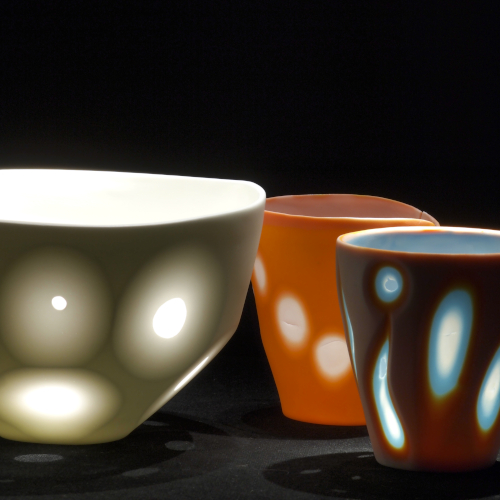
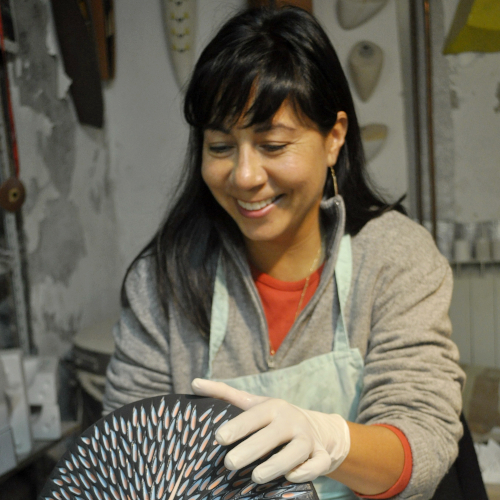
THE MAGIC OF COLORS IN TRANSLUCENT PORCELAIN | Martha Pachon
Transparency is one of the most important qualities of porcelain and usually requires a prolonged, precise and very accurate processing to obtain a piece of exquisite beauty highlighted by translucency. The evocative techniques presented in this course will have an important role in the creative process for those who want to build and draw with the light and color in porcelain.
We will use the slip porcelain with and without the use of molds. And above all, the participants will be able to dominate the most important aspects of the porcelain of great thinness: the drying, the impediment of the deformation and the firing.
The 20-hour workshop lasts from 9.00 to 17.00 on Friday and Saturday and from 9.00 to 16.00 on Sunday.
Included in the Workshop cost:20 hours of teaching | all the necessary materials | firings | nr. 3 brunch lunch | a box with the samples of the materials used during the workshop
Teacher: Martha Pachon Languages: English, Italian, French, Spanish
Download the full program in pdf
To confirm your inscription you have to make a bank transfer of a deposit or the total amount.
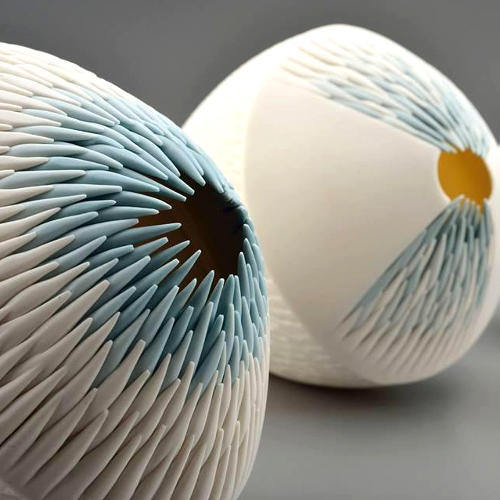
Discovering Porcelain 2
Basic Course of slip and body porcelain and its transparency
PORCELAIN is a material that requires a prolonged, precise and very accurate processing to obtain pieces of exquisite beauty. The different techniques faced with this material allow us to highlight two important qualities, TRANSPARENCY and SMOTHY to the touch.
This course allows you to develop simple basic techniques, all tricks to avoid cracks, breakages, deformations, the secrets to recover a broken piece, the knowledge of the correct drying and the different firing curves.
We would use body and slip porcelain with and without the use of single and double-fired molds. The purpose is to ENHANCE CREATIVITY WITH THE RIGHT KNOWLEDGE OF ALL RESOURCES IN THE FIELD OF PORCELAIN AND ITS QUALITY OF TRANSPARENCY AND WITHOUT GOING CRAZY!
Program: - Fully practical lessons with a theoretical chapter for basic technology: - Preparation of the slip and body porcelain recipe and percentages. - Slip casting porcelain methods with and without molds. - Methods of achieving transparency. - Method of constructions with slabs or small fragments. - Precautions in drying, firing and finishing. - How to obtain smooth surfaces. - How to glaze with simple means. - How to recover broken or craked pieces. - Firing curves and how to place fragile pieces in the kiln, use of alumina. - Corrections after biscuit and finishing after last firing. The 20-hour workshop lasts from 9.00 to 17.00 on Friday and Saturday and from 9.00 to 16.00 on Sunday. Teacher: Martha Pachon Languages: English, Italian, French, Spanish Download the application form in pdf Download the program in pdf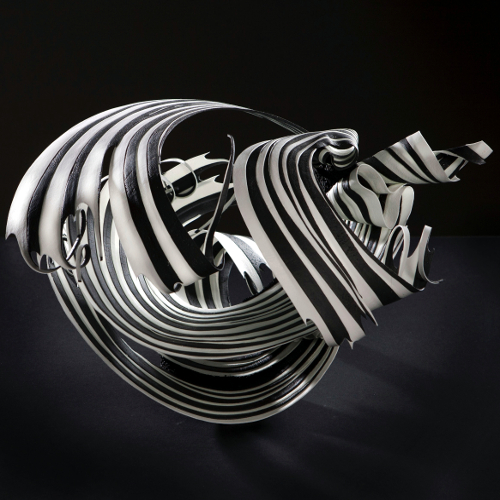
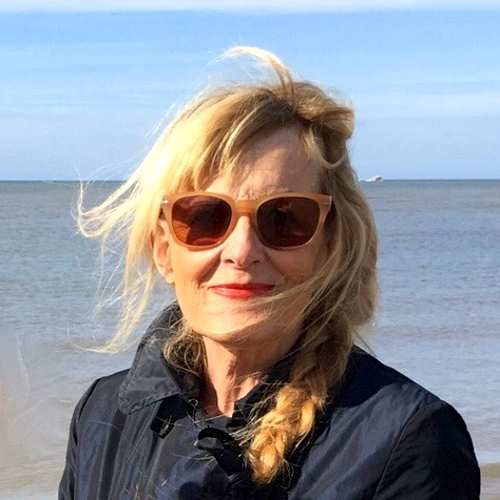
In search of movement with Paula Bastiaansen
A workshop in search of movement, rhythm, the absence of gravity, fragility and transparency. Paula Bastiaansen will show you the use of porcelain so light that this body will become almost immaterial.
PROGRAM: - Conference and presentation of slides. - Demonstration of the working method. - Designing an object starting from a drawing. - Preparation and coloring of porcelain. - Preparation of extremely thin porcelain layers. - Cutting of the shapes and construction starting from the drawing. - Use of inlay and stoneware support in construction. - Drying and firing. The 20-hour workshop lasts from 9.00 to 17.00 on Friday and Saturday and from 9.00 to 16.00 on Sunday.Teacher: Paula Bastiaansen Translator and Assistant: Martha Pachon Languages: English, Italian, French, Spanish, Dutch
Dowload the Paula Bastiaansen CV
Download the application form in pdf Download the full program in pdf
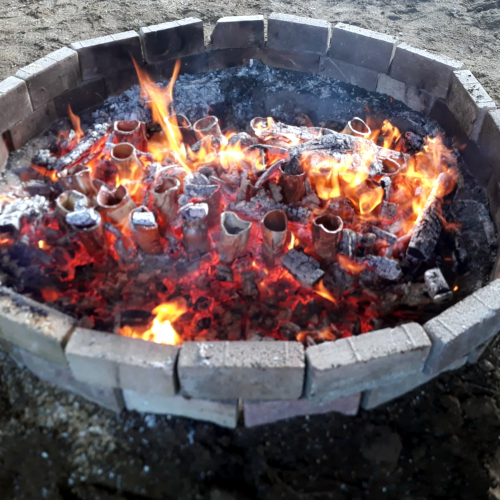
PIT FIRE | Giovanni Cimatti
La ceramica affrontata a meta tra primitivo e contemporaneità per indagare nuovi stadi della postmodernità dove non è solo l'opera al centro ma sopratutto il modo con cui la si ottiene. Applicheremo terre sigillate per ottenere superfici lucide da sola argilla senza levigatura e cristalline inattese in questa tecnica.
Arriveranno, dopo la seconda cottura a legna, lagune di nerofumo su fondi bianchi, lustri di rosso rame in riduzione e cavilli anneriti a zona.
Il corso di 14 ore inizia alle ore 9.00 e termina alle ore 17:00 del sabato e inizia alle ore 9:00 e termina alle ore 16.00 della domenica.
Compreso nel corso:14 ore di docenza | i materiali necessari allo svolgimento del corso | le cotture | nr. 2 pasti brunch (colazione e pranzo) | una scatola omaggio (con campionatura dei materiali utilizzati durante il corso)
Docente: Giovanni Cimatti Scarica il programma in formato pdfTo confirm your inscription you have to make a bank transfer of a deposit or the total amount.