
SWEET RAKU WITH LUSTRES | Giovanni Cimatti
08-09 June 2024
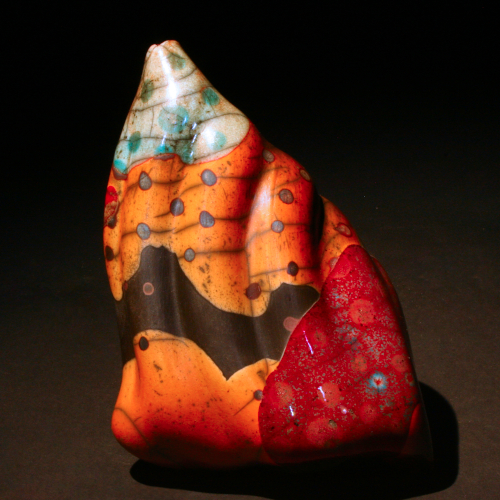
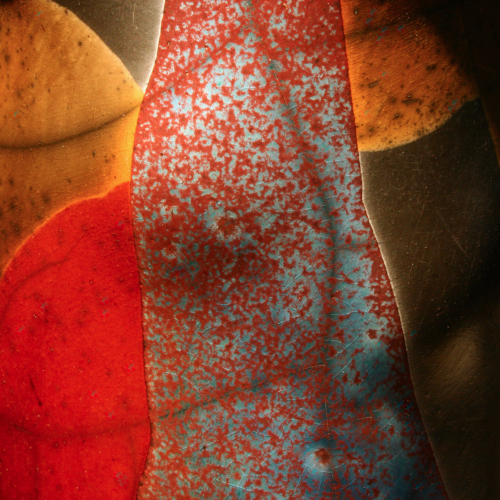
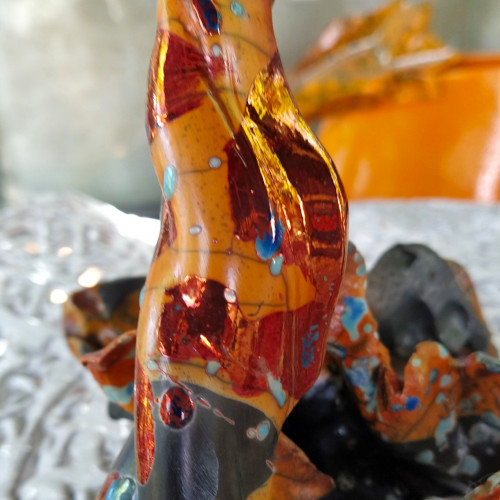
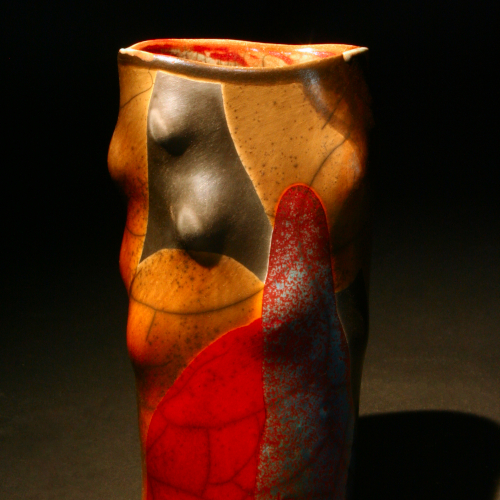
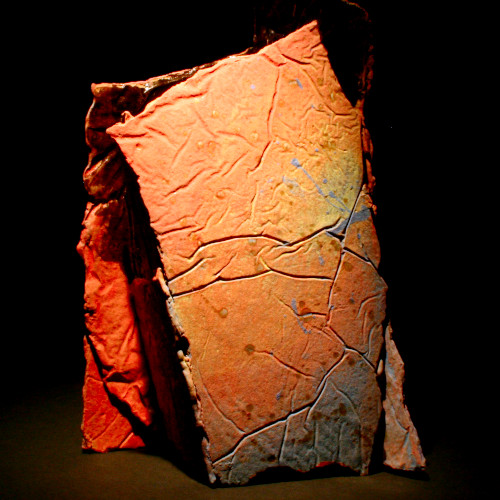
Sweet Raku is an idea that Giovanni Cimatti came up with in the late 1990s and which differs from so-called Raku in that it has reduced fumigation and the use of chamotte-free clays.
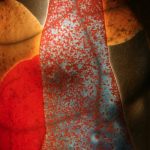
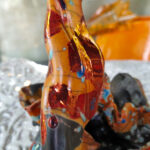
Giovanni Cimatti’s sweet raku in some of its declinations.
During the course, forms will be made that simultaneously and in a single firing will have the orange colour of ‘sealed earths’, the transparencies of copper and non-copper crystallines, the lustres in copper reduction in gas kiln firing and the black of Raku smoke.
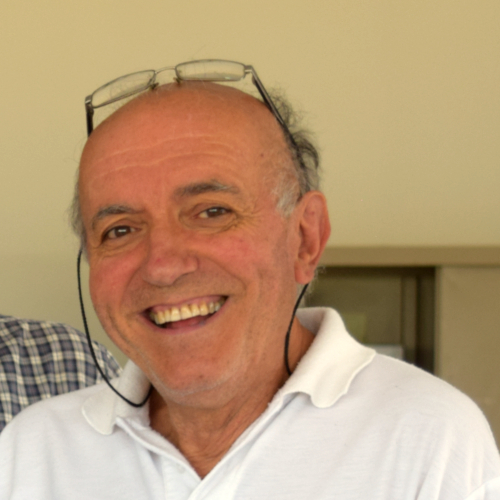
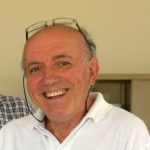
Giovanni Cimatti
Giovanni Cimatti was a teacher at the Art Institute in Siena, director of the ‘T. Minardi’ School of Drawing and Plastic Art in Faenza and teacher at the State Art Institute for Ceramics in Faenza. He began his artistic activity in the 1970s, developing a personal research on the relationship between form and surface by reworking various techniques such as sangam clay decorations, raku, decalcomania, and terra sigillata, and for years he has also been interested in high temperature. He has been invited to important international ceramic art exhibitions, has held solo exhibitions by invitation in Belgium, Japan, Holland, Korea and Switzerland and has participated in cultural exchanges in France, Japan and Germany. He has had solo exhibitions: at the Museum of Contemporary Art at Kyungshung University in Pusan, Korea, at the Ceratekno Gallery in Toki City, Japan, and at the Museo Civico Archeologico in Bergamo.
The 14-hour course starts at 9 a.m. and ends at 5 p.m. on Saturday and starts at 9 a.m. and ends at 4 p.m. on Sunday.
Included in the course:
14 hours of teaching | the materials needed for the course | the firings | 2 brunch meals (breakfast and lunch) | a gift box (with samples of the materials used during the course)
Teacher: Giovanni Cimatti
Download the programme in pdf format
To confirm your purchase, you must pay the deposit or the full amount by following the procedure below.
Richiesta informazioni
Related products
FULL IMMERSION IN THE MULTICOLORED PORCELAIN | Martha Pachon
From Jasper to Nerikomi
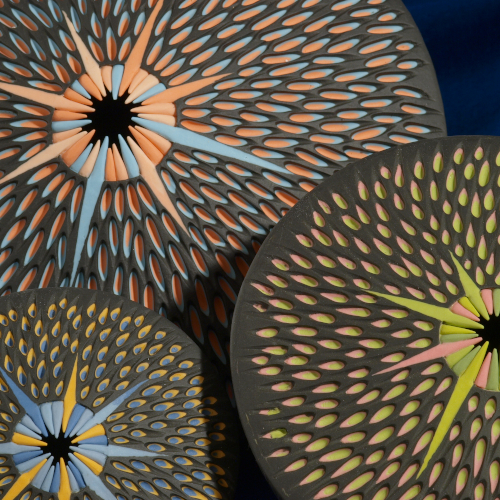
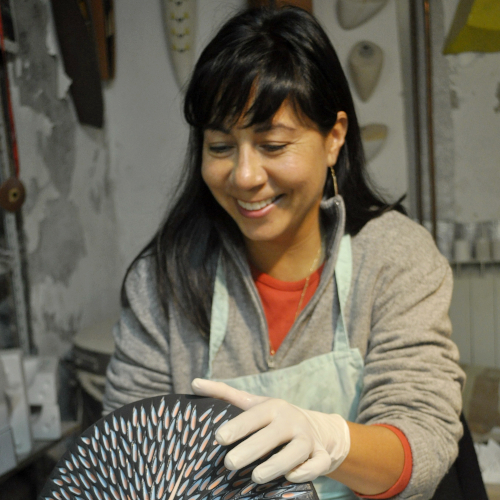
One of the finest qualities of porcelain is its sensuality to the touch, plus the surface can be enriched with vibrant colors or sharp contrasts of black and white. There are ancient and complex techniques of the "Neriage" family which, with a modern twist, allow to express, through many aesthetic solutions, from a jewel, a vase, a sculpture, an object, to a complex installation. Among the constructive techniques of colored body porcelain, by hand and with mold will be the contemporary revisiting of: L'Agata, Jasper, Zebra, Nerikomi, Mosaico with composite tiles and Mishima.
To take full advantage of the potential of these techniques, all the possible exercises will be carried out to get to know their strength and refinement. In addition, the realization of all the techniques will be followed by the tricks to avoid problems, breakages or deformations, reaching the maximum of beauty in the colors.
The 20-hour workshop lasts from 9.00 to 17.00 on Friday and Saturday and from 9.00 to 16.00 on Sunday.
Included in the Workshop cost: 20 hours of teaching | all the necessary materials | firings | nr. 3 brunch lunch | a box with the samples of the materials used during the workshopTeacher: Martha Pachon Languages: English, Italian, French, Spanish
Download the full program in pdf
To confirm your inscription you have to make a bank transfer of a deposit or the total amount.

Ceramic maze: the glazes
i rivestimenti, l’applicazione facile, la decorazione e la cottura della ceramica
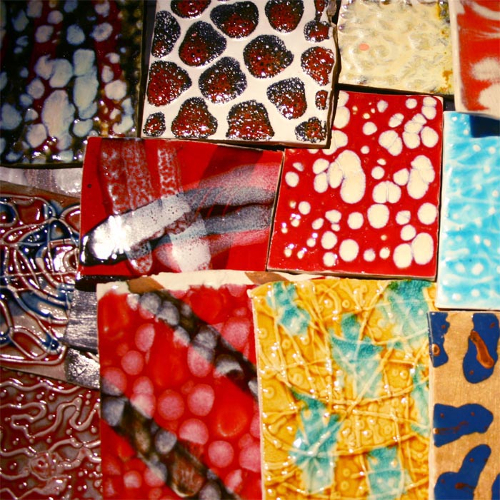
Il corso si prefigge di informare sui modi e le tecniche che sono alla base del processo ceramico per quanto riguarda la smaltatura e la decorazione a bassa temperatura.
Durante il corso saranno finite esperienze sui vari metodi di smaltatura ponendo particolare attenzione alla smaltatura a pennello con l’ausilio di particolari veicoli che ne consentono la migliore applicazione. Verranno presentate le cause alla base dei principali effetti ottenibili con i rivestimenti che saranno realizzate su supporti in argilla, già cotti, forniti dall’organizzazione: terracotta, terraglia tenera, terracotta di argilla da gres e semirefrattaria da Raku.
Sarà dato spazio anche al rapporto fondamentale degli smalti con i supporti e la loro preventiva miglior cottura a biscotto. Ed infine saranno affrontati anche i difetti che si riscontrano nella smaltatura e a questo proposito è possibile portare eventuali lavori personali finiti sulle cui problematiche sarà possibile svolgere una interessante lezione.
PROGRAMMA: esercizi personali di smaltatura: a pennello, ad aspersione, ad immersione – esercizi di decorazione con i colori sottovernice e i colori soprasmalto – smalti a rilievo – dimostrazione di smaltatura a spruzzo e a secco – Cottura delle prove – a domanda lezioni sulla chimica e tecnologia degli smalti.
Le forme saranno realizzate seguendo le indicazioni del docente, saranno cotte e consegnate entro i tempi del corso stesso. Il corso di 14 ore inizia alle ore 9.00 del sabato e termina alle ore 16.00 della domenica. Docente: Maestro Giovanni Cimatti Scarica il modulo di iscrizione in formato pdf Scarica il volantino in formato pdf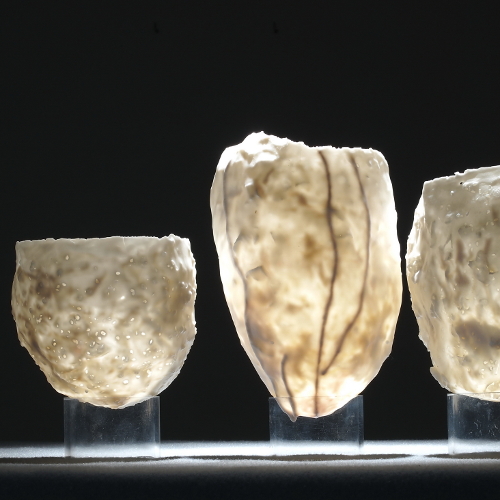
IMMEDIATE TRANSPARENCIES | Martha Pachon
Liquid porcelain without use of the mold and in sigle firing
Transparency is one of the most important qualities of porcelain and usually requires a prolonged, precise and very accurate processing to obtain a piece of fine beauty highlighted by the translucency of the light. This course allows you to develop two simple and immediate techniques that will facilitate and strengthen creativity to develop many projects without the use of large resources and experience in the field of porcelain.
We will use the slip porcelain without the use of molds and single-firing and the two techniques, one for objects with organic shapes and another for objects with geometric shapes and more precise.
The 14-hour workshop lasts from 9.00 to 17.00 on Saturday and from 9.00 to 16.00 on Sunday.
Included in the Workshop cost: 14 hours of teaching | all the necessary materials | firings | nr. 2 brunch lunch | a box with the samples of the materials used during the workshopTeacher: Martha Pachon Languages: English, Italian, French, Spanish
Download the full program in pdf
To confirm your inscription you have to make a bank transfer of a deposit or the total amount.
Volcanic landscapes with Rafa Peréz
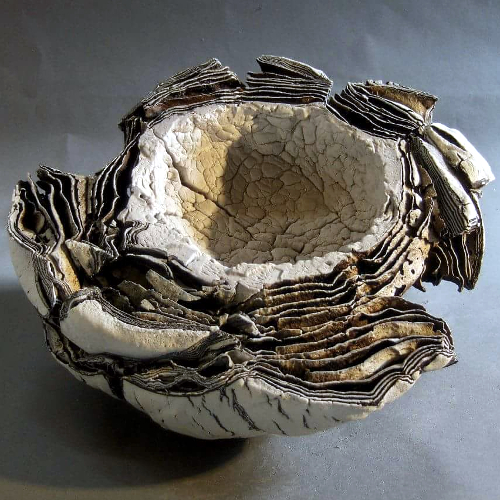
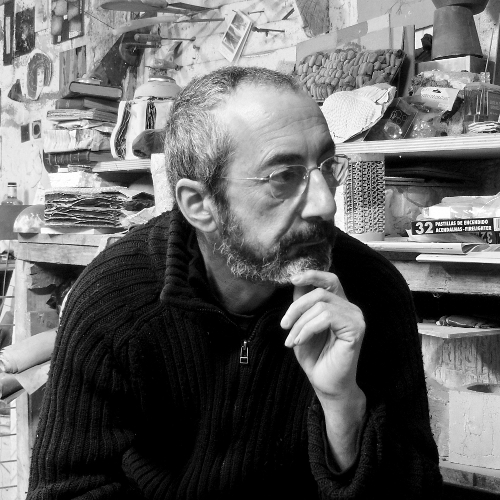
The use of shoot high temperatures with conventional clays in contrast with porcelain, surprising effects for results between the predictable and the unpredictable. Rafa Pérez introduces us to his methods that have made him famous in the field of contemporary ceramic sculpture.
PROGRAM: - Fully practical lessons. - Use of different techniques to obtain a wide range of results. - Use of blocks with different types of clays at the same time. - Alternative chemical treatments to the techniques. - Production of pieces, firing, evaluation and reproduction of new pieces. The 20-hour workshop lasts from 9.00 to 17.00 on Friday and Saturday and from 9.00 to 16.00 on Sunday. Teacher: Rafa Pérez Translator and Assistant: Martha Pachon Languages: English, Italian, French, Spanish Download the application form in pdf Download the full program in pdf
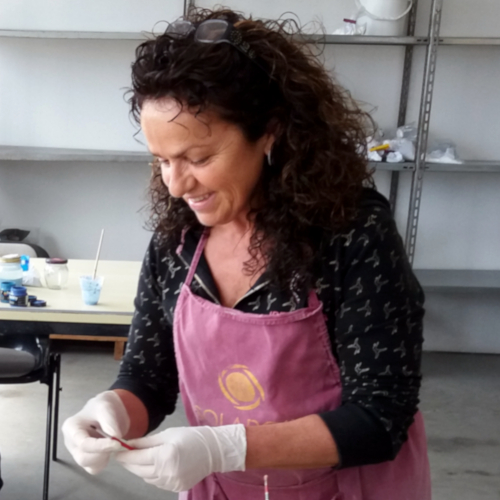
CERAMIC MAZE: THE CLAYS | Vilma Bosi
Imparare le tecniche di foggiatura e la cottura delle terre
Quando ci si avvicina al mondo della ceramica spesso si incontrano le prime difficoltà già nella fase di modellazione proprio per mancanza di competenze nelle tecniche di foggiatura dei manufatti. Gli impasti ceramici e le argille possono essere lavorati in diversi modi e in questo corso di base ci proponiamo di introdurvi ad alcune delle tecniche fondamentali come il colombino, la lastra, la stampatura e il colaggio.
La scelta del tipo di argilla da impiegare ed individuare la migliore tecnica di modellazione per la produzione delle forme sarà di basilare importanza per avere successo nel portare a termine i vostri progetti ed evitare perdite di tempo e di denaro.
Il corso non è finalizzato alla realizzazione di oggetti finiti ma si limita alla produzione in libertà di esperienze costruttive, tattili e di cottura sempre sotto la guida del docente.
14 ore di docenza | i materiali necessari allo svolgimento del corso | le cotture | nr. 2 pasti brunch (colazione e pranzo) | una scatola omaggio (con campionatura dei materiali utilizzati durante il corso)
Costo: 250.00€ Docente: Vilma Bosi Scarica il modulo d'iscrizione in formato pdf Scarica il programma in formato pdf
Extraordinary japanese constructions with Kazuko Uga
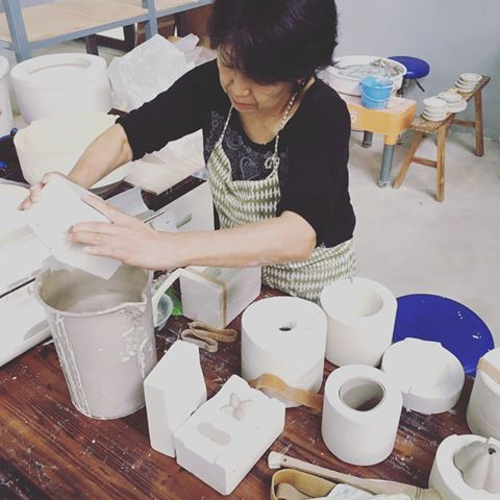
A complex and fascinating technique focused on the personal artistic work of Kazuko Uga. The construction of the liquid porcelain will allow us to develop contemporary projects of great beauty, refinement and lightness. Course of construction of objects with the use of white and pigmented liquid porcelain. Course of construction of objects with the use of slip porcelain and treatment of surfaces in the Japanese style. Preparation of porcelain, recipes. Drying, firing, glazing, corrections of cracks and deformations.
The artist will be on show in Faenza from the 9th to the 21st of October as part of the "Japanese October" Festival.
PROGRAM: Fully practical lessons with a theoretical chapter dedicated to the preparation of slip withe and coloured porcelain. First day: Preparation of liquid porcelain, precautions. Preparation of liquid coloured porcelain, recipes and percentages. Methods of slip casting porcelain. Construction with the small parts, finishing, drying. Firing, kiln management for high temperature. Second day: Finishing and cleaning pieces, tricks and corrections. Evaluation of results. Design of new pieces for both sculpture and use. Video-projection of the artist's works.The 14-hours workshop lasts from 9.00 to 17.00 on Wednesday and from 9.00 to 16.00 on Thursday.
Teacher: Kazuko Uga Translator and assistant: Martha Pachon Languages: English, Italian, French, Spanish, Japanese Download the Kazuko Uga CV Download the application form in pdf Download the full program in pdf

Full immersion in color
From Jasper to Nerikomi in porcelain in two days
One of the finest qualities of porcelain is its sensuality to the touch, plus the surface can be enriched with vibrant colors or sharp contrasts of black and white. There are ancient and complex techniques of the "Neriage"family which, in a modern way, allow you to express yourself through many aesthetic solutions, from a jewel, avessel, a sculpture, an object, or a complex installation. It will be the very intense and rich post-Argillà course,among the techniques dealt with: the Jasper, the Rainbow or Scala, the Zebra, the Nerikomi and the Mosaico with composite tiles.
PROGRAMMA: - Preparation of colored porcelain bodies, recipes and percentages and how to avoid the melting or deforming pieces. - Use of color both into the body and slip porcelain, tricks. - Preparation of shapes, cuts, joints, lines, drawings and compositions for all possible ancient Asian techniques revisited in contemporary way with modern and practical use. - Agate, Jasper, Mishima, Mosaic, Rainbow, Scala, Zebra and Nerikomi techniques. - Cleaning and tricks to avoid color contamination, air bubbles, deformations or cracks. - Preparation of colored slip porcelain and use. - Conformations with net black and white avoiding contaminations of one color with another. - With the use of the mold and without, application of the techniques learned. - How to install the colored pieces inside the kiln avoiding the attachment of the pieces or accidents. - Types of firing, low and high, firing curves for pieces built by colored mix techniques. - Finishes and corrections before firing, after first firing and even after the last high temperature firing. - Recipes and possibility of restoration of broken pieces. Teacher: Martha Pachon Languages: English, Italian, French, Spanish Download the application form in pdf Download the program in pdf
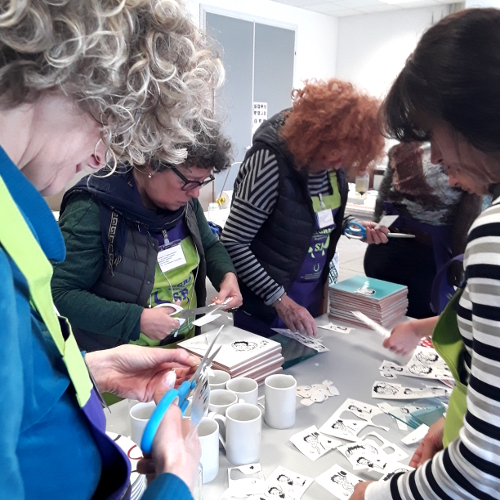
Silk-screen printing Workshop
Questo corso ha lo scopo di fornire le conoscenze necessarie per creare le proprie decalcomanie vetrificabili e stamparle su diversi supporti ceramici o vetrosi. Inoltre attraverso la stampa grafica su ceramica, il corsista sarà introdotto a un campo poco esplorato, il vincolo dell’immagine ceramica con la lettura virtuale incorporando i codici QR. Questi codici offrono l’opportunità di reindirizzare la ceramica sul concetto di un progetto web (un blog, una pagina, una libreria virtuale, un videogioco, ecc.)Il corsista sarà introdotto nella pratica della elaborazione di una matrice, l’incisione in seta, la pulizia e il recupero dei telai, l’applicazione delle decalcomanie, l’uso di diversi supporti, la preparazione degli smalti e delle cotture. Sarà inoltre in grado di installare il proprio laboratorio di serigrafia con i più bassi costi possibili di attrezzature e risparmio dello spazio.
BIOGRAFIA SILVIA BARRIOSArtista e ricercatrice nata in Argentina. Si è specializzata nel campo dei nuovi media e delle tecnologie interattive applicate sulle arti del fuoco.Il suo tema di interesse attuale la “Ceramica Intelligente” deriva degli incontri fra la Serigrafia Ceramica e i processi creativi dei multimedia incentrati sulla bio-arte, l’elettronica, l’intelligenza artificiale e le arti digitali unitamente alle culture popolari sudamericane.Silvia Barrios è stata invitata con i suoi laboratori e istallazioni alla Biennale della Havana, la Biennale di SaoPaulo, e la Biennale di Mercosur, Buenos Aires. Ha realizzato diversi progetti internazionali, e ha esposto indiversi nazioni, fra loro, Cina, Italia, Spagna, Portogallo, Cuba, Argentina, Colombia, Ecuador e Perù.
Programma: Lezioni pratiche e teoriche finalizzate allo sviluppo della impressione di una immagine fotografica su un sopporto ceramico terroso o vitreo, crudo, biscottato o smaltato e anche sul vetro. Elaborazione della matrice, trattamento della seta per l’incisione. Pulizia e recupero dei telai. Applicazione delle decalcomanie. Uso dei diversi supporti: terracotta, terraglia, gres, porcellana, vetro. Preparazione degli smalti per serigrafia. Cotture a diversi ambienti. Come istallare il proprio laboratorio di serigrafia. Introduzione del codice QR alla serigrafia. Conferenza audiovisiva – Riassunto del processo per consolidare le conoscenze – Test e valutazione dei risultati Riflessioni sulla introduzione dei codici multi mediatici e la progettazione sul campo della ceramica contemporanea – Panorama dei progetti innovatori della ceramica nel campo della elettronica, intelligenza artificiale, bioscienza e robotica. Conclusioni con una mostra di un progetto artistico di gruppo dei corsisti.
Le forme saranno realizzate seguendo le indicazioni del docente, saranno cotte e consegnate entro i tempi del corso stesso. Il corso di 20 ore dura dalle ore 9.00 alle ore 17:00 del venerdì, dalle 9.00 alle ore 17:00 del sabato e dalle ore 9:00 alle ore 16.00 della domenica. Docente: Silvia Barrios