



PIT FIRE | Giovanni Cimatti
17-18 October 2020
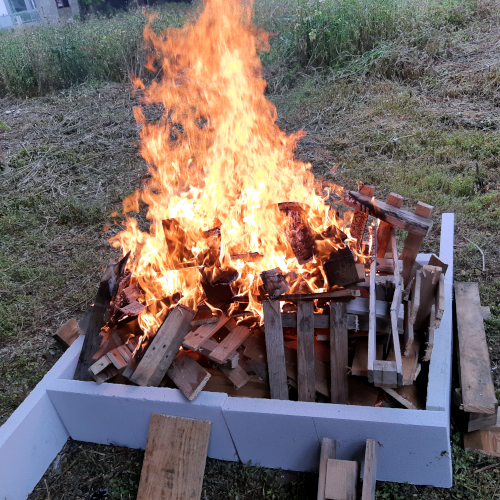
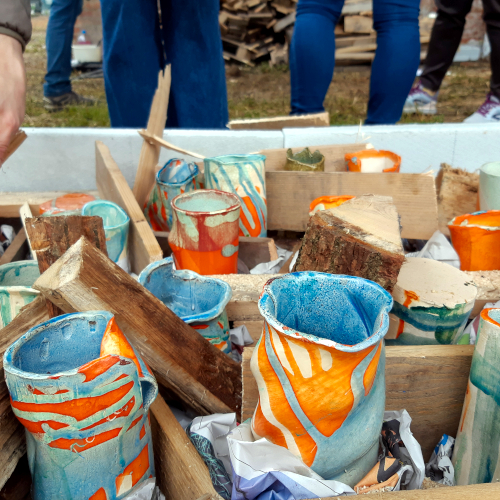
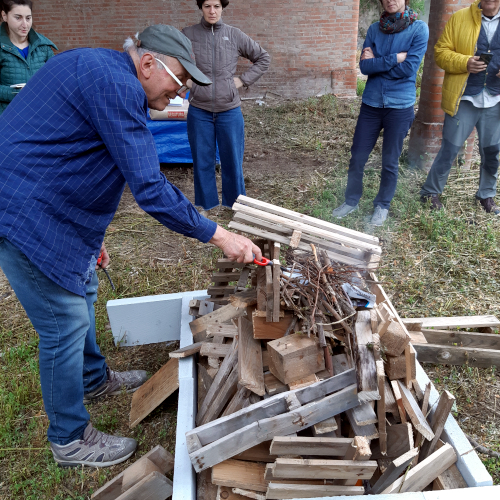
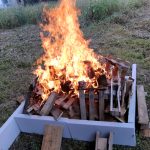
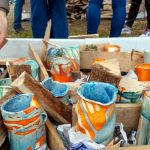
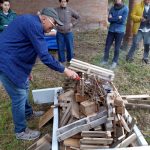
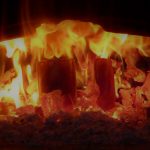
La ceramica affrontata a meta tra primitivo e contemporaneità per indagare nuovi stadi della postmodernità dove non è solo l’opera al centro ma sopratutto il modo con cui la si ottiene. Applicheremo terre sigillate per ottenere superfici lucide da sola argilla senza levigatura e cristalline inattese in questa tecnica.
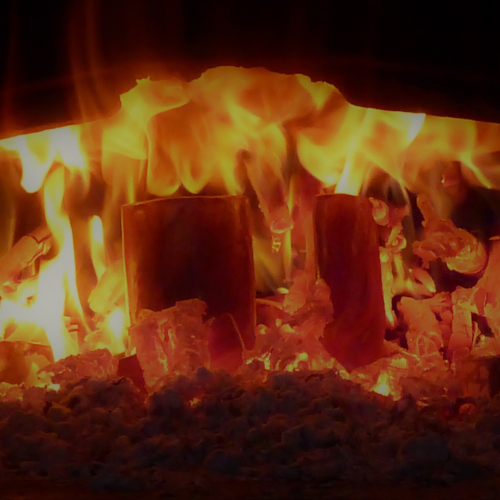
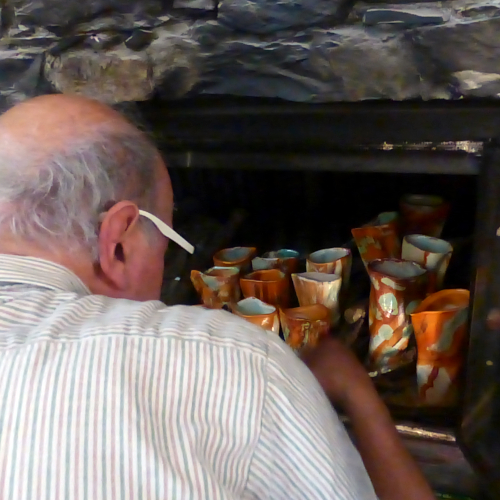
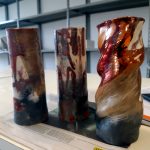
Arriveranno, dopo la seconda cottura a legna, lagune di nerofumo su fondi bianchi, lustri di rosso rame in riduzione e cavilli anneriti a zona.
Il corso di 14 ore inizia alle ore 9.00 e termina alle ore 17:00 del sabato e inizia alle ore 9:00 e termina alle ore 16.00 della domenica.
Compreso nel corso:
14 ore di docenza | i materiali necessari allo svolgimento del corso | le cotture | nr. 2 pasti brunch (colazione e pranzo) | una scatola omaggio (con campionatura dei materiali utilizzati durante il corso)
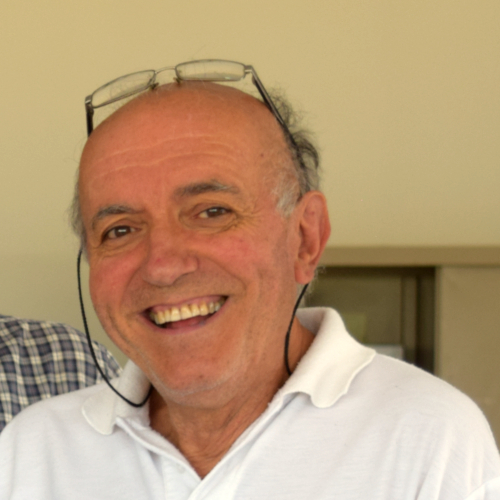
Docente: Giovanni Cimatti
Scarica il programma in formato pdf
To confirm your inscription you have to make a bank transfer of a deposit or the total
amount.
Richiesta informazioni
Related products

Jewelery in Porcelain
Corso di costruzione di gioielli con le tecniche antiche asiatiche multicolore fino alla sua presentazione finale. Sviluppo ed approfondimento delle tecniche della famiglia del “Neriage” e applicazione in un progetto definitivo per un gioiello. Metodi per preparare gli impasti colorati, processi delle tecniche con metodi di conformazione a stampo, essiccamento, cotture, correzioni di crepe, rotture e deformazione. Montaggio delle diverse alternative e materiali di uso facile e immediato. Agli allievi verranno fornite le parti metalliche e in argento per montare un gioiello completo.
PROGRAMMA: Lezioni totalmente pratiche con un capitolo teorico per tecnologia – riparazione della porcellana ad impasto e barbotine colorate, ricetta e percentuali – creazione dei motivi organici, geometrici o astratti direttamente nello impasto traverso: -Metodi di composizione a blocco, rotolo e forme colorate dell’Arcobaleno – Metodi di costruzione de tasselli composti,uso delle barbotine colorate – Come applicare su stampi evitando crepe e deformazioni – Rifinizione e correzioni dopo cottura biscotto – Metodi di “estivazione” dei pezzi per cottura di alta. Particolarità per evitare deformazioni e rotture -Rifinizione e correzioni dopo ultima cottura.
Cottura (il sabato sera): biscotto, solo dei pezzi realizzati il medesimo giorno ed essiccati, sabato cottura de alta 1250°C, quelli della domenica non saranno cotti, ma è sufficiente per capire la tecnica. Nota: i materiali utilizzati per infornare i pezzi sono soltanto per dimostrazione e cottura Il corso di 14 ore inizia alle ore 9.00 del sabato e termina alle ore 16.00 della domenica. Docente: Martha Pachon
Jewelry in porcelain, Jasper technique
The suggestive technique of Jasper has an important role in the creative processes for those who want to produce objects that are pleasant to the touch, and with a beautiful and vibrant for the perception of color. A complex technique that requires only accuracy in the process and the desire to create designs using color. To make the most of the potential of this technique, the students will perform different exercises to get to know their fragility, strength and refinement applied to the jewels. The whole process and derivations can be applied beyond, in furnishing objects, sculptures, small series of utilitarian or decorative objects.
Progam: - Totally practical lessons with a theoretical chapter dedicated to the artists who used ceramics to create jewels. - Preparation of colored slip and body porcelain, recipe and percentages. Creation of organic, geometric or abstract motifs directly on the body porcelain through: - Jasper decomposition methods. - Methods of construction with small tiles, use of colored slip. - How to apply on jewelry molds avoiding cracks and deformations. - Finishing and corrections after biscuit firing. - Methods of positioning of the pieces for high firing. Special features to avoid deformation and breakage. - Finishing and corrections after last firing. - Design for jewelry composition.Teacher: Martha Pachon
Download the application form in pdf Download the program in pdf
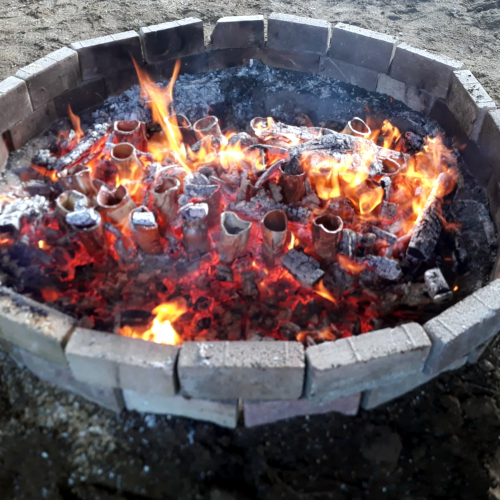
PIT FIRE | Giovanni Cimatti
La ceramica affrontata a meta tra primitivo e contemporaneità per indagare nuovi stadi della postmodernità dove non è solo l'opera al centro ma sopratutto il modo con cui la si ottiene. Applicheremo terre sigillate per ottenere superfici lucide da sola argilla senza levigatura e cristalline inattese in questa tecnica.
Arriveranno, dopo la seconda cottura a legna, lagune di nerofumo su fondi bianchi, lustri di rosso rame in riduzione e cavilli anneriti a zona.
Il corso di 14 ore inizia alle ore 9.00 e termina alle ore 17:00 del sabato e inizia alle ore 9:00 e termina alle ore 16.00 della domenica.
Compreso nel corso:14 ore di docenza | i materiali necessari allo svolgimento del corso | le cotture | nr. 2 pasti brunch (colazione e pranzo) | una scatola omaggio (con campionatura dei materiali utilizzati durante il corso)
Docente: Giovanni Cimatti Scarica il programma in formato pdfTo confirm your inscription you have to make a bank transfer of a deposit or the total amount.
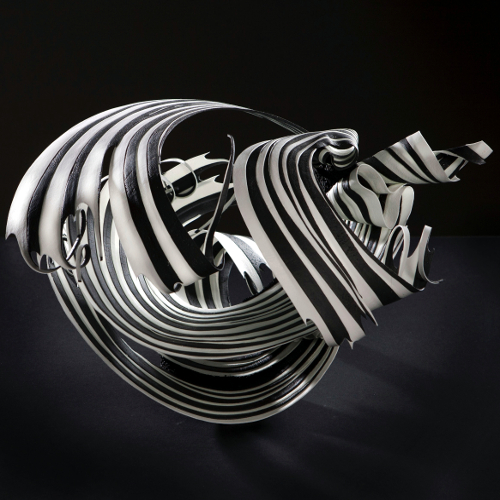
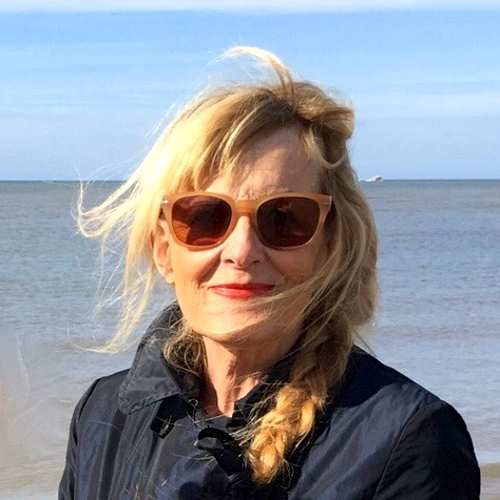
In search of movement with Paula Bastiaansen
A workshop in search of movement, rhythm, the absence of gravity, fragility and transparency. Paula Bastiaansen will show you the use of porcelain so light that this body will become almost immaterial.
PROGRAM: - Conference and presentation of slides. - Demonstration of the working method. - Designing an object starting from a drawing. - Preparation and coloring of porcelain. - Preparation of extremely thin porcelain layers. - Cutting of the shapes and construction starting from the drawing. - Use of inlay and stoneware support in construction. - Drying and firing. The 20-hour workshop lasts from 9.00 to 17.00 on Friday and Saturday and from 9.00 to 16.00 on Sunday.Teacher: Paula Bastiaansen Translator and Assistant: Martha Pachon Languages: English, Italian, French, Spanish, Dutch
Dowload the Paula Bastiaansen CV
Download the application form in pdf Download the full program in pdf
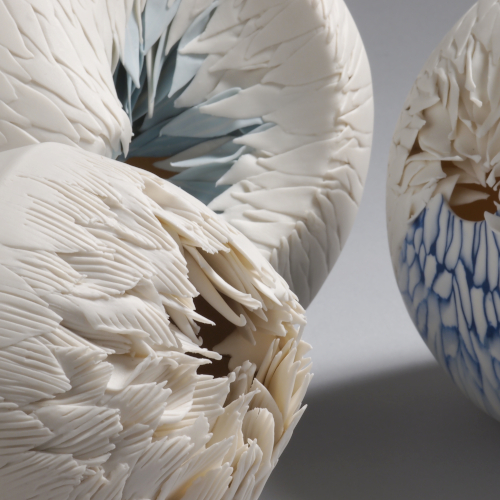
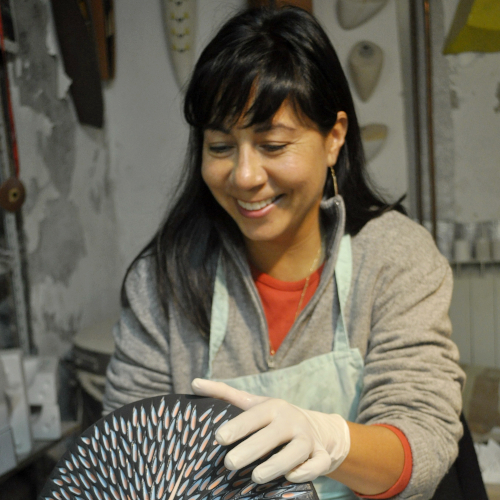
DYNAMIC PORCELAIN | Martha Pachon
Multitechnic Course of Body and Slip Porcelain
Inspired by the new developments of contemporary ceramics, both utilitarian and decorative, sculptural or any application that can be made of this precious material, this course is structured as a laboratory of "multiprocesses" to know and master the basic techniques of slip and body porcelain. Understanding porcelain in a practical, direct, easy and fast way will be the goal of this course. Participants will have at their disposal different techniques, some simple and other complex, with and without the use of molds, with the possibility of glazing also in single firing, with theoretical chapter dedicated in detail to all the questions regarding porcelain: drying, breakage, deformation, firing curves, etc.
THE PARTICIPANTS, BEYOND TO BRING HIS FINISHED WORKS TO HOME, WILL HAVE THE RIGHT KNOWLEDGE OF ALL THE RESOURCES IN THE FIELD OF THE PORCELAIN: ITS QUALITY OF TRANSPARENCY, RESISTANCE, REFINEMENT AND WITHOUT GOING CRAZY!
The 20-hour workshop lasts from 9.00 to 17.00 on Friday and Saturday and from 9.00 to 16.00 on Sunday.
Included in the Workshop cost: 20 hours of teaching | all the necessary materials | firings | nr. 3 brunch lunch | a box with the samples of the materials used during the workshopTeacher: Martha Pachon Languages: English, Italian, French, Spanish
Download the full program in pdfTo confirm your inscription you have to make a bank transfer of a deposit or the total amount.
DYNAMIC PORCELAIN | Martha Pachon
Multitechnic Course of Body and Slip Porcelain
Inspired by the new developments of contemporary ceramics, both utilitarian and decorative, sculptural or any application that can be made of this precious material, this course is structured as a laboratory of "multiprocesses" to know and master the basic techniques of slip and body porcelain. Understanding porcelain in a practical, direct, easy and fast way will be the goal of this course. Participants will have at their disposal different techniques, some simple and other complex, with and without the use of molds, with the possibility of glazing also in single firing, with theoretical chapter dedicated in detail to all the questions regarding porcelain: drying, breakage, deformation, firing curves, etc.
THE PARTICIPANTS, BEYOND TO BRING HIS FINISHED WORKS TO HOME, WILL HAVE THE RIGHT KNOWLEDGE OF ALL THE RESOURCES IN THE FIELD OF THE PORCELAIN: ITS QUALITY OF TRANSPARENCY, RESISTANCE, REFINEMENT AND WITHOUT GOING CRAZY!The 20-hour workshop lasts from 9.00 to 17.00 on Friday and Saturday and from 9.00 to 16.00 on Sunday.
Included in the Workshop cost: 20 hours of teaching | all the necessary materials | firings | nr. 3 brunch lunch | a box with the samples of the materials used during the workshopTeacher: Martha Pachon Languages: English, Italian, French, Spanish
Download the full program in pdf
To confirm your inscription you have to make a bank transfer of a deposit or the total amount.

Thousand bubbles
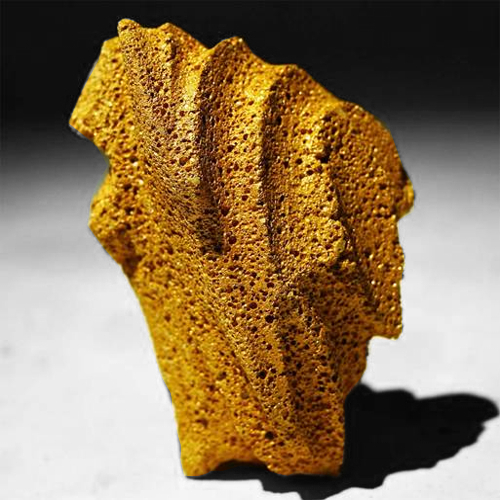
Una delle premesse in campo ceramico, fondamento della didattica e della tecnologia stabilisce che non vi devono essere bolle di aria negli impasti ceramici ma...
E' anche vero che la presenza di bolle e la stessa porosità delle argille favorisce l'isolamento termico, l'essiccazione e la leggerezza. Con impasti a struttura spugnosa si ottengono forme facilmente lavorabili a secco/crudo per mezzo del taglio, incisione o abrasione, una lavorabilità a biscotto simile a quella dell'osso di seppia, durezza inaspettata dopo la cottura finale e il peso vicino a quello dei poliuretani espansi.
Da questa scelta parte la possibilità di creare forme legate in particolare al campo della scultura dove i problemi dello svuotamento delle forme viene superato velocizzando le cotture. Infine e in relazione alla dimensione delle microbolle inserite sarà possibile anche l'applicazione di patine, ingobbi e rivestimenti anche vetrosi.
Programma: metodi di realizzazione di schiume e la loro introduzione nelle argille - colatura della schiuma argillosa - essiccamento - scultura a secco crudo per taglio/incisione - cottura ad alta temperatura in forno elettrico - sfornata - applicazione di rivestimento tipo smalto oro - cottura a media temperatura - lezioni di tecnologia ceramica. Per motivi di tempo e aumentare l'esperienza sulla tecnica saranno forniti ai partecipanti anche alcuni blocchetti di argilla porosa già essiccati.
Il corso di 14 ore dura dalle ore 9.00 alle ore 17:00 del sabato e dalle ore 9:00 alle ore 16.00 della domenica. Docente: Maestro Giovanni Cimatti Scarica il modulo di iscrizione in formato pdf Scarica il volantino in formato pdf
Translucent porcelain
Immediate transparency workshop, slip porcelain without usa of mold and in a single-firing
Transparency is one of the most important qualities of porcelain and usually, requires a prolonged, precise and very accurate processing to obtain a fine beauty piece highlighted by the translucenty. This course allows you to develop two simple and immediate techniques that will facilitate and strengthen creativity to develop many projects without the use of large resources and experience in the field of porcelain techniques. We will use slip porcelain without the use of molds and with a single-firing.
PROGRAM: Totally practical lessons, preparation of the material and basic forms. Use of slip porcelain and construction with two totally different techniques. Surface treatment, controlled drying and finishing. Methods to avoid deformation and breakage during the process and all the special features of the specific firing for this technique. Recover broken complex variations of the techniques and the surface with the use of color introduced into the slip the porcelain. Production of pieces to project in small series for use or decoration. pieces or cracks with specific recipe. Finally, more co. The 14-hour workshop lasts from 9.00 to 17.00 on Saturday and from 9.00 to 16.00 on Sunday. Teacher: Martha Pachon