

IL RAKU DOLCE | Giovanni Cimatti
15-16 May 2021
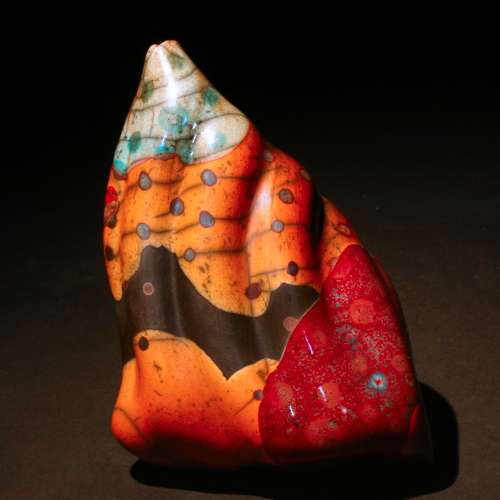
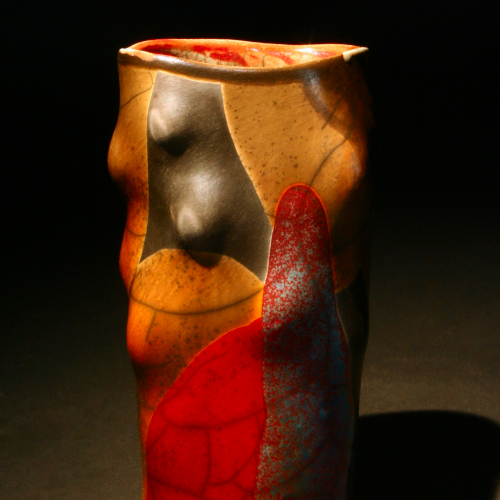
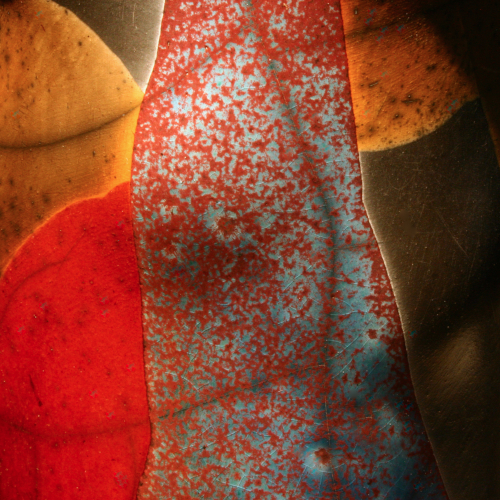
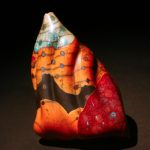
Il Raku Dolce è un’idea che Giovanni Cimatti ha avuto alla fine degli anni 90′ e che si distingue dal Raku cosiddetto per la ridotta fumigazione e l’impiego di argille senza chamotte.
Queste diversità consentono un maggior ordine e pulizia del sistema Raku: Si estraggono le forme ad una temperatura più bassa, si riduce al minimo il fumo prodotto e le forme non devono essere quasi mai pulite. Anche le stesse forme possono avere un’ottima finitura delle superfici ed avere un’integrità molto elevata.
A tutto questo si associa la bella ricerca che può essere fatta di argille che trattate forniscono ingobbi e patine del genere Terre sigillate aretine.
Infine il fondamentale aspetto molto contemporaneo, per il rispetto ambientale, che prevede la possibilità di eseguire le forme a Raku Dolce con ingobbi e smalti applicati su terra secca in una sola cottura (monocottura). Giovanni Cimatti porterà in uso al corso il personale forno a gas e tratterà degli aspetti legati alle cotture Raku in generale.
Durante il corso verranno fatte esperienze di applicazione di una formula già sviluppata che sarà possibile colorare e applicare su supporti semplici che verranno realizzati la mattina del sabato e che essiccheranno durante la pausa pranzo.
Il corso di 14 ore inizia alle ore 9.00 e termina alle ore 17:00 del sabato e inizia alle ore 9:00 e termina alle ore 16.00 della domenica.
Compreso nel corso:
14 ore di docenza | i materiali necessari allo svolgimento del corso | le cotture | nr. 2 pasti brunch (colazione e pranzo) | una scatola omaggio (con campionatura dei materiali utilizzati durante il corso)
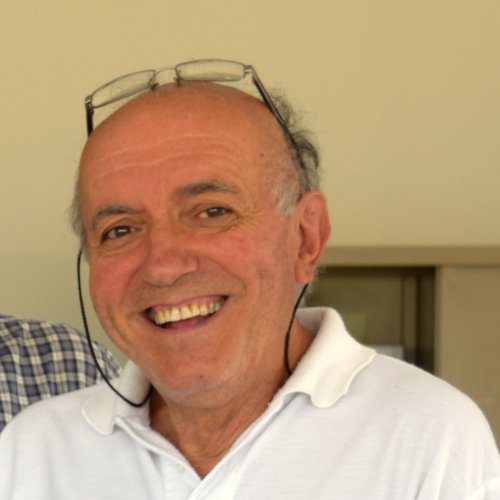
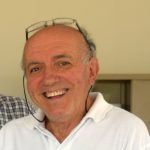
Docente: Giovanni Cimatti
Scarica il programma in formato pdf
Per confermare l’acquisto occorre versare l’acconto o l’intero importo seguendo la procedura sottostante.
Related products
LA SINTERRACOTTA | Giovanni Cimatti
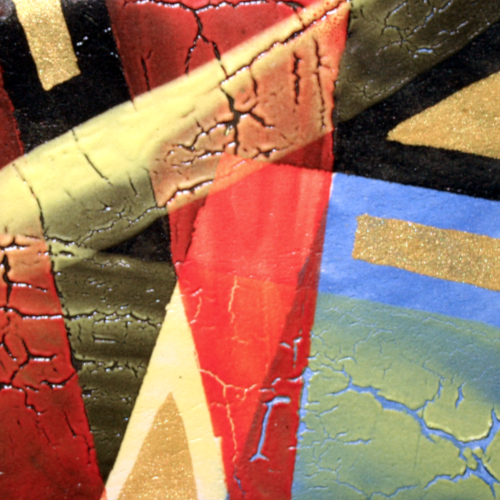
Monocottura con gres a partire da 1050 gradi
Una buona ceramica si distingue non solo per come è rivestita e la sua intrinseca arte ma sopratutto per il suo corpo che è forte e compatto quando è realizzata in gres. Oggi è possibile utilizzare un innovativo gres bianco, anche senza raggiungere la faticosa e costosa alta temperatura, ed avere la sinterizzazione di questa argilla in tutti i tipi di forni per ceramica.
Durante il corso faremo anche esperienza di come sia possibile ridurre ulteriormente i costi facendo una cottura unica di argilla e smalti che viene infatti definita monocottura. Useremo un'argilla plastica che rende facile modellare qualsiasi tipo di forma e particolari medium per l'applicazione a pennello di rivestimenti che saranno campiti anche con l'impiego di maschere adesive. Sara possibile infine anche applicare, in seconda cottura a 900 gradi, un simpatico e innovativo smalto oro.
Il corso di 14 ore inizia alle ore 9.00 e termina alle ore 17:00 del sabato e inizia alle ore 9:00 e termina alle ore 16.00 della domenica.
Compreso nel corso:
14 ore di docenza | i materiali necessari allo svolgimento del corso | le cotture | nr. 2 pasti brunch (colazione e pranzo) | una scatola omaggio (con campionatura dei materiali utilizzati durante il corso)
Docente: Giovanni Cimatti
Scarica il programma in formato pdf
To confirm your inscription you have to make a bank transfer of a deposit or the total
amount.

Prehistoric firings
Per chi ama i modi naturali e vede nella ceramica le varietà espressive che questi possono dare. Porterete tre forme essiccate (non cotte) di misura massima singola cm 20 (altezza) x 10 x 10 a spessore max mm7 realizzate in argille bianche da Raku. Le superfici delle forme potranno essere levigate a pressione ma non ingobbiate. Faremo esperienza di applicazione di argille su argille, di smalti in monocottura e di fiammature con cottura a legna che con la sua casualità ci mostrerà giochi infiniti di trasparenze, neri e lustri.
Programma: applicazione sulle vostre forme secche di ingobbi del genere Terra Sigillata, sali metallici, vernici e smalti – cottura notturna a biscotto – allestimento del fuoco e inserimento delle forme – cottura a legna – estrazione delle forme a mezza e fine cottura – lezioni di tecnologia a domanda.
Le forme saranno realizzate seguendo le indicazioni del docente, saranno cotte e consegnate entro i tempi del corso stesso.
Il corso di 14 ore inizia alle ore 9.00 del sabato e termina alle ore 16.00 della domenica.
Docente: Maestro Giovanni Cimatti

Ceramic maze: the glazes
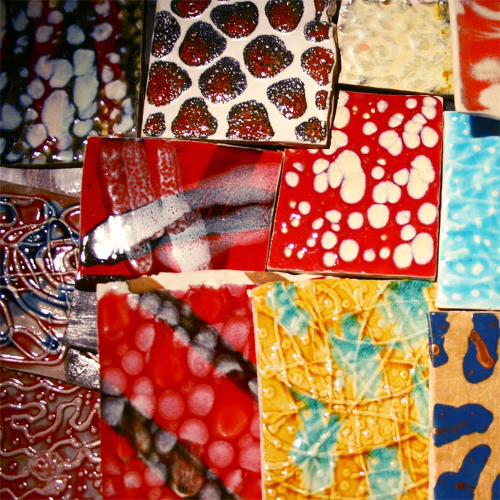
i rivestimenti, l’applicazione facile, la decorazione e la cottura della ceramica
Il corso si prefigge di informare sui modi e le tecniche che sono alla base del processo ceramico per quanto riguarda la smaltatura e la decorazione a bassa temperatura.
Durante il corso saranno finite esperienze sui vari metodi di smaltatura ponendo particolare attenzione alla smaltatura a pennello con l’ausilio di particolari veicoli che ne consentono la migliore applicazione. Verranno presentate le cause alla base dei principali effetti ottenibili con i rivestimenti che saranno realizzate su supporti in argilla, già cotti, forniti dall’organizzazione: terracotta, terraglia tenera, terracotta di argilla da gres e semirefrattaria da Raku.
Sarà dato spazio anche al rapporto fondamentale degli smalti con i supporti e la loro preventiva miglior cottura a biscotto. Ed infine saranno affrontati anche i difetti che si riscontrano nella smaltatura e a questo proposito è possibile portare eventuali lavori personali finiti sulle cui problematiche sarà possibile svolgere una interessante lezione.
PROGRAMMA: esercizi personali di smaltatura: a pennello, ad aspersione, ad immersione – esercizi di decorazione con i colori sottovernice e i colori soprasmalto – smalti a rilievo – dimostrazione di smaltatura a spruzzo e a secco – Cottura delle prove – a domanda lezioni sulla chimica e tecnologia degli smalti.
Le forme saranno realizzate seguendo le indicazioni del docente, saranno cotte e consegnate entro i tempi del corso stesso.
Il corso di 14 ore inizia alle ore 9.00 del sabato e termina alle ore 16.00 della domenica.
Docente: Maestro Giovanni Cimatti
Scarica il modulo di iscrizione in formato pdf
Scarica il volantino in formato pdf

Translucent porcelain
Immediate transparency workshop, slip porcelain without usa of mold and in a single-firing
Transparency is one of the most important qualities of porcelain and usually, requires a prolonged, precise and very accurate processing to obtain a fine beauty piece highlighted by the translucenty. This course allows you to develop two simple and immediate techniques that will facilitate and strengthen creativity to develop many projects without the use of large resources and experience in the field of porcelain techniques. We will use slip porcelain without the use of molds and with a single-firing.
PROGRAM:
Totally practical lessons, preparation of the material and basic forms.
Use of slip porcelain and construction with two totally different techniques.
Surface treatment, controlled drying and finishing.
Methods to avoid deformation and breakage during the process and all the special features of the specific firing for this technique.
Recover broken complex variations of the techniques and the surface with the use of color introduced into the slip the porcelain.
Production of pieces to project in small series for use or decoration. pieces or cracks with specific recipe.
Finally, more co.
The 14-hour workshop lasts from 9.00 to 17.00 on Saturday and from 9.00 to 16.00 on Sunday.
Teacher: Martha Pachon
Discovering Porcelain
Basic Course of slip and body porcelain and its transparency
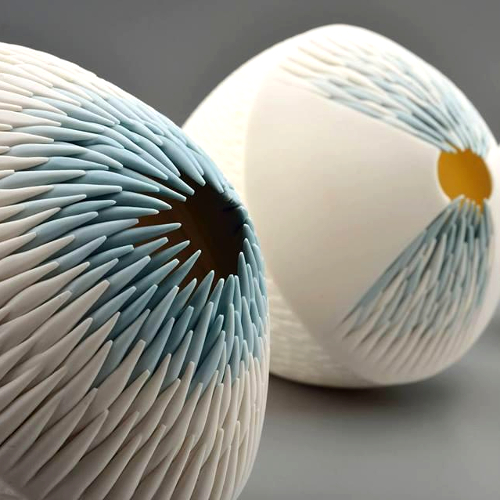
PORCELAIN is a material that requires a prolonged, precise and very accurate processing to obtain pieces of exquisite beauty. The different techniques faced with this material allow us to highlight two important qualities, TRANSPARENCY and SMOTHY to the touch.
This course allows you to develop simple basic techniques, all tricks to avoid cracks, breakages, deformations, the secrets to recover a broken piece, the knowledge of the correct drying and the different firing curves.
We would use body and slip porcelain with and without the use of single and double-fired molds. The purpose is to ENHANCE CREATIVITY WITH THE RIGHT KNOWLEDGE OF ALL RESOURCES IN THE FIELD OF PORCELAIN AND ITS QUALITY OF TRANSPARENCY AND WITHOUT GOING CRAZY!
Program:
- Fully practical lessons with a theoretical chapter for basic technology:
- Preparation of the slip and body porcelain recipe and percentages.
- Slip casting porcelain methods with and without molds
- Methods of achieving transparency
- Method of constructions with slabs or small fragments
- Precautions in drying, firing and finishing
- How to obtain smooth surfaces
- How to glaze with simple means
- How to recover broken or craked pieces
- Firing curves and how to place fragile pieces in the kiln, use of alumina
- Corrections after biscuit and finishing after last firing
The 20-hour workshop lasts from 9.00 to 17.00 on Friday and Saturday and from 9.00 to 16.00 on Sunday.
Teacher: Martha Pachon
Download the application form in pdf
Download the program in pdf
Discovering Porcelain 2
Basic Course of slip and body porcelain and its transparency
PORCELAIN is a material that requires a prolonged, precise and very accurate processing to obtain pieces of exquisite beauty. The different techniques faced with this material allow us to highlight two important qualities, TRANSPARENCY and SMOTHY to the touch.
This course allows you to develop simple basic techniques, all tricks to avoid cracks, breakages, deformations, the secrets to recover a broken piece, the knowledge of the correct drying and the different firing curves.
We would use body and slip porcelain with and without the use of single and double-fired molds. The purpose is to ENHANCE CREATIVITY WITH THE RIGHT KNOWLEDGE OF ALL RESOURCES IN THE FIELD OF PORCELAIN AND ITS QUALITY OF TRANSPARENCY AND WITHOUT GOING CRAZY!
Program:
- Fully practical lessons with a theoretical chapter for basic technology:
- Preparation of the slip and body porcelain recipe and percentages.
- Slip casting porcelain methods with and without molds.
- Methods of achieving transparency.
- Method of constructions with slabs or small fragments.
- Precautions in drying, firing and finishing.
- How to obtain smooth surfaces.
- How to glaze with simple means.
- How to recover broken or craked pieces.
- Firing curves and how to place fragile pieces in the kiln, use of alumina.
- Corrections after biscuit and finishing after last firing.
The 20-hour workshop lasts from 9.00 to 17.00 on Friday and Saturday and from 9.00 to 16.00 on Sunday.
Teacher: Martha Pachon
Languages: English, Italian, French, Spanish
Download the application form in pdf
Download the program in pdf


Full immersion in color
From Jasper to Nerikomi in porcelain in two days
One of the finest qualities of porcelain is its sensuality to the touch, plus the surface can be enriched with vibrant colors or sharp contrasts of black and white. There are ancient and complex techniques of the "Neriage"family which, in a modern way, allow you to express yourself through many aesthetic solutions, from a jewel, avessel, a sculpture, an object, or a complex installation. It will be the very intense and rich post-Argillà course,among the techniques dealt with: the Jasper, the Rainbow or Scala, the Zebra, the Nerikomi and the Mosaico with composite tiles.
PROGRAMMA:
- Preparation of colored porcelain bodies, recipes and percentages and how to avoid the melting or deforming
pieces.
- Use of color both into the body and slip porcelain, tricks.
- Preparation of shapes, cuts, joints, lines, drawings and compositions for all possible ancient Asian techniques
revisited in contemporary way with modern and practical use.
- Agate, Jasper, Mishima, Mosaic, Rainbow, Scala, Zebra and Nerikomi techniques.
- Cleaning and tricks to avoid color contamination, air bubbles, deformations or cracks.
- Preparation of colored slip porcelain and use.
- Conformations with net black and white avoiding contaminations of one color with another.
- With the use of the mold and without, application of the techniques learned.
- How to install the colored pieces inside the kiln avoiding the attachment of the pieces or accidents.
- Types of firing, low and high, firing curves for pieces built by colored mix techniques.
- Finishes and corrections before firing, after first firing and even after the last high temperature firing.
- Recipes and possibility of restoration of broken pieces.
Teacher: Martha Pachon
Languages: English, Italian, French, Spanish
Download the application form in pdf
Download the program in pdf
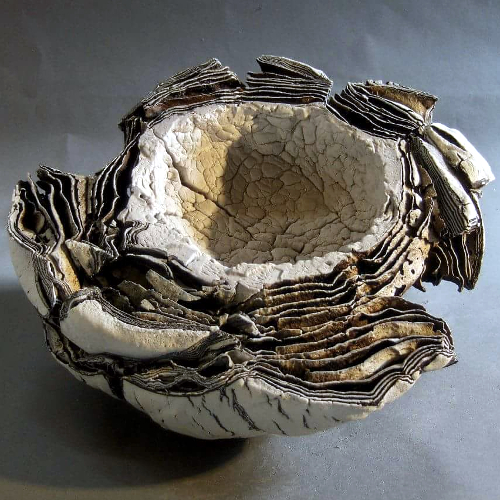
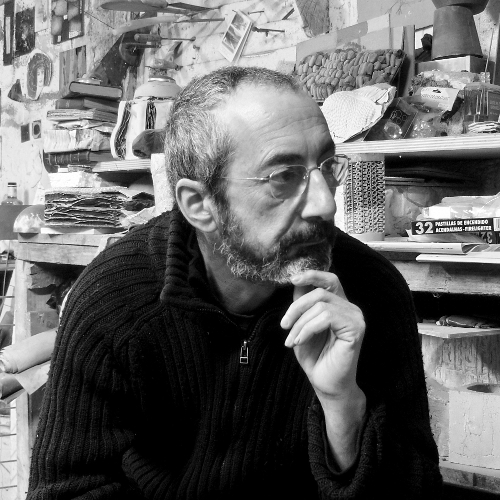
Volcanic landscapes with Rafa Peréz
The use of shoot high temperatures with conventional clays in contrast with porcelain, surprising effects for results between the predictable and the unpredictable. Rafa Pérez introduces us to his methods that have made him famous in the field of contemporary ceramic sculpture.
PROGRAM:
- Fully practical lessons.
- Use of different techniques to obtain a wide range of results.
- Use of blocks with different types of clays at the same time.
- Alternative chemical treatments to the techniques.
- Production of pieces, firing, evaluation and reproduction of new pieces.
The 20-hour workshop lasts from 9.00 to 17.00 on Friday and Saturday and from 9.00 to 16.00 on Sunday.
Teacher: Rafa Pérez
Translator and Assistant: Martha Pachon
Languages: English, Italian, French, Spanish
Download the application form in pdf
Download the full program in pdf